 link
To ask the Scottish Government what action it is taking to increase the provision of Gaelic learner teaching in schools. (S7O-00600)
Official Report · Chamber
General Question Time
link
To ask the Scottish Government what action it is taking to increase the provision of Gaelic learner teaching in schools. (S7O-00600)
 link
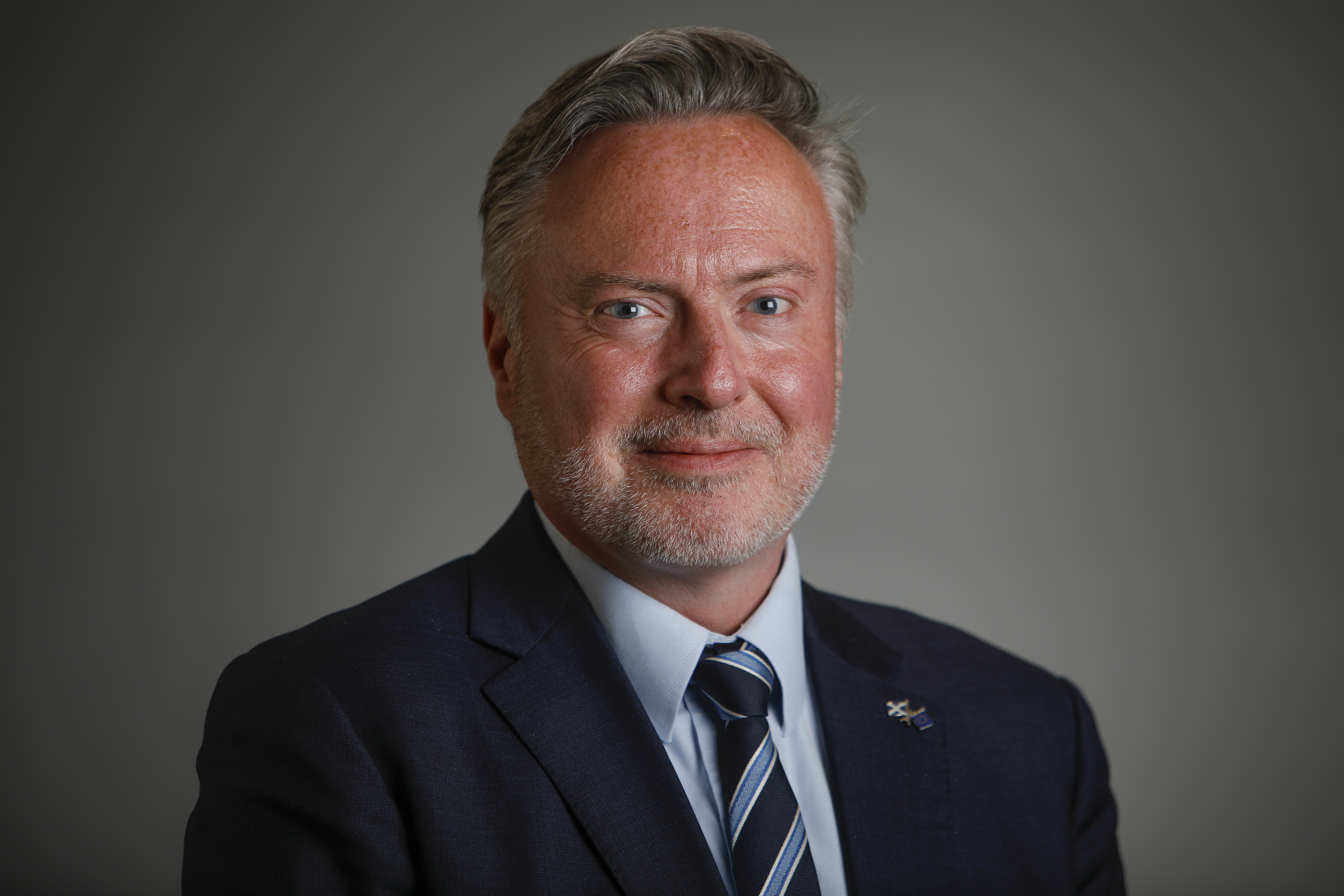
The Scottish Government recognises the importance of Gaelic learner education in schools and is taking action to increase its provision. We will build on the important initiatives that are in place for Gaelic learner education, including support for teachers and resource provision. There will be further action and support from the provisions of the Scottish Languages Act 2025 and from the work of Education Scotland. With that package of measures, we will continue to support and take action to increase the provision of Gaelic learner education in our schools.
link
Will the minister join me in congratulating my constituent and recently re-elected member of the Scottish Youth Parliament, Summer Ramsay, on her campaign to expand the provision of Gaelic learner education in all Scottish local authorities? She has created a petition, which has had 223 signatures to date. Does the minister recognise the appetite among our children and young people to learn Gaelic, and does he agree that we should aspire to every child in Scotland being able to learn Gaelic if they want to?
link
I absolutely agree. I commend Summer Ramsay for her campaign and her work to take the matter forward.
The Government has provided support to increase Gaelic learner education in schools. Gaelic learner education support is provided by the Government programme for Gaelic language in the primary school—GLPS—which is co-ordinated by Argyll and Bute Council. E-Sgoil also has a contribution to make in all secondary schools where Gaelic for learners is available. There is also support from Fèisean nan Gàidheal, which provides support for Gaelic learner education in primary schools in a number of authorities.
Along with those providers, Stòrlann Nàiseanta na Gàidhlig, the Gaelic resource centre, supports GLE with good-quality resources. Stòrlann also provides Gaelic in Scotland resources that focus on learning about the history of Gaelic in Scotland, its stories, its culture and its key developments.
Along with Stòrlann’s resources for secondary GLE, Qualifications Scotland provides learner qualifications.

The Campbells are coming. The next one is Michelle.
 link
I am sure that my office manager will make reference to that at some point.
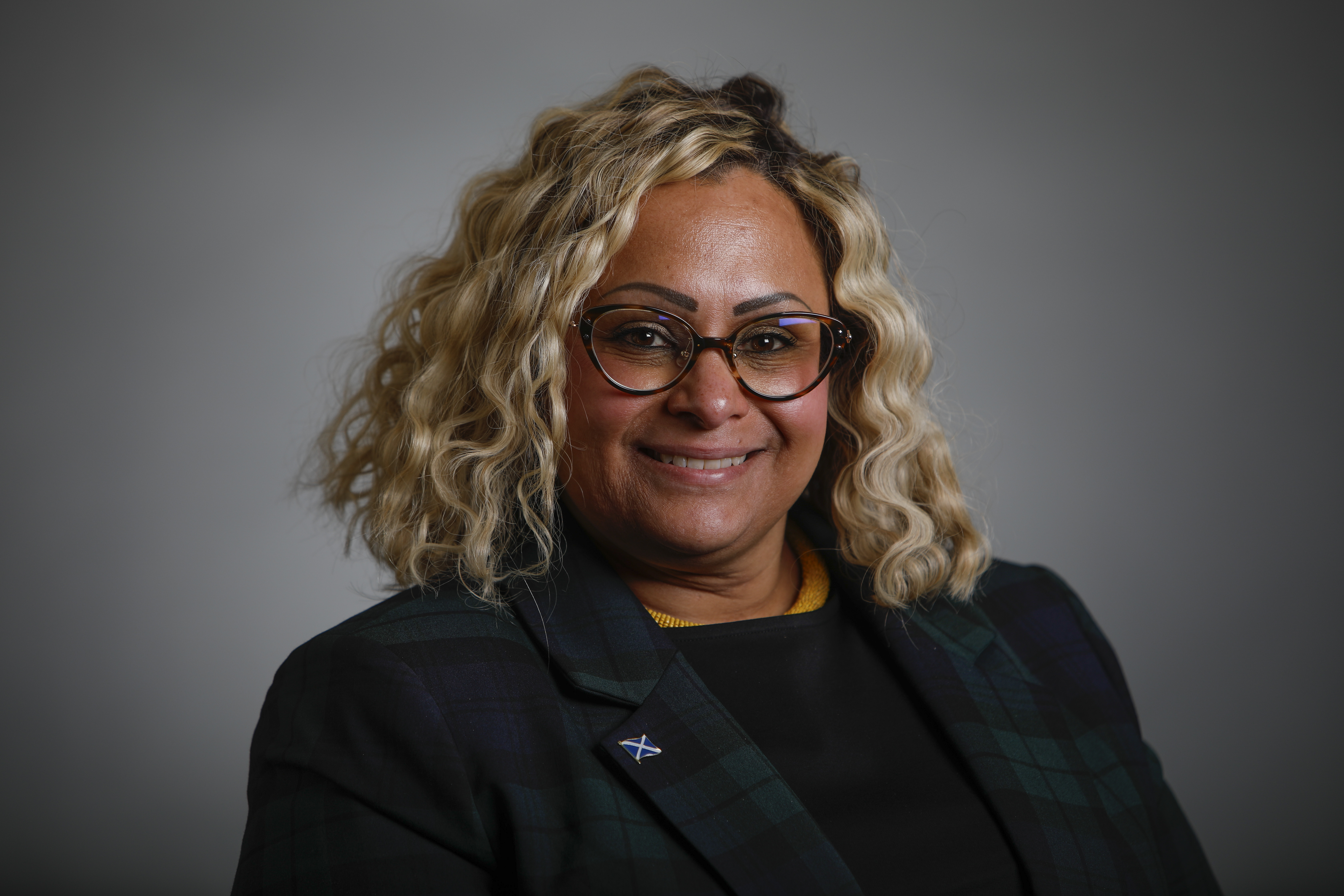
I note my entry in the register of members’ interests, which shows that I am a councillor in Renfrewshire.
The growth of Gaelic education in Renfrewshire demonstrates the benefits of partnership working between local authorities, the Scottish Government, parents and organisations such as Bòrd na Gàidhlig. Further to the comments that the minister has already made, will he outline how that partnership working is being built on, so that more local authorities develop and expand the existing opportunities for young people to learn about Gaelic?
link
Michelle Campbell makes an important point. I congratulate Renfrewshire Council on establishing and supporting Gaelic-medium education, and I note the good growth in the council area because of it. The Government is committed to supporting parents who wish to access Gaelic-medium education for their children. Legislation entitles parents to request Gaelic-medium primary education, and an authority must assess such a request. That provision has been strengthened and simplified by measures in the Scottish Languages Act 2025. The provision of Gaelic education is the responsibility of the local authority, and the Government will always consider whether additional funding support can be provided.
 link
Gaelic is an incredibly important part of Scotland’s cultural heritage, particularly in the Highlands and the Western Isles. However, in the Scottish Borders, where fewer than 500 people, or 0.35 per cent of the population, can speak, read and write the language, and where it has historically had limited presence, the council is pushing for the opening of a new Gaelic primary school, with the support of the Scottish Government, at an initial cost of £190,000 and an annual cost thereafter of £210,000. Does the minister agree that there is a risk of limited educational resources being misdirected, rather than addressing the more immediate and acute needs of pupils in the Scottish Borders?
link
No, I do not agree at all.
 link
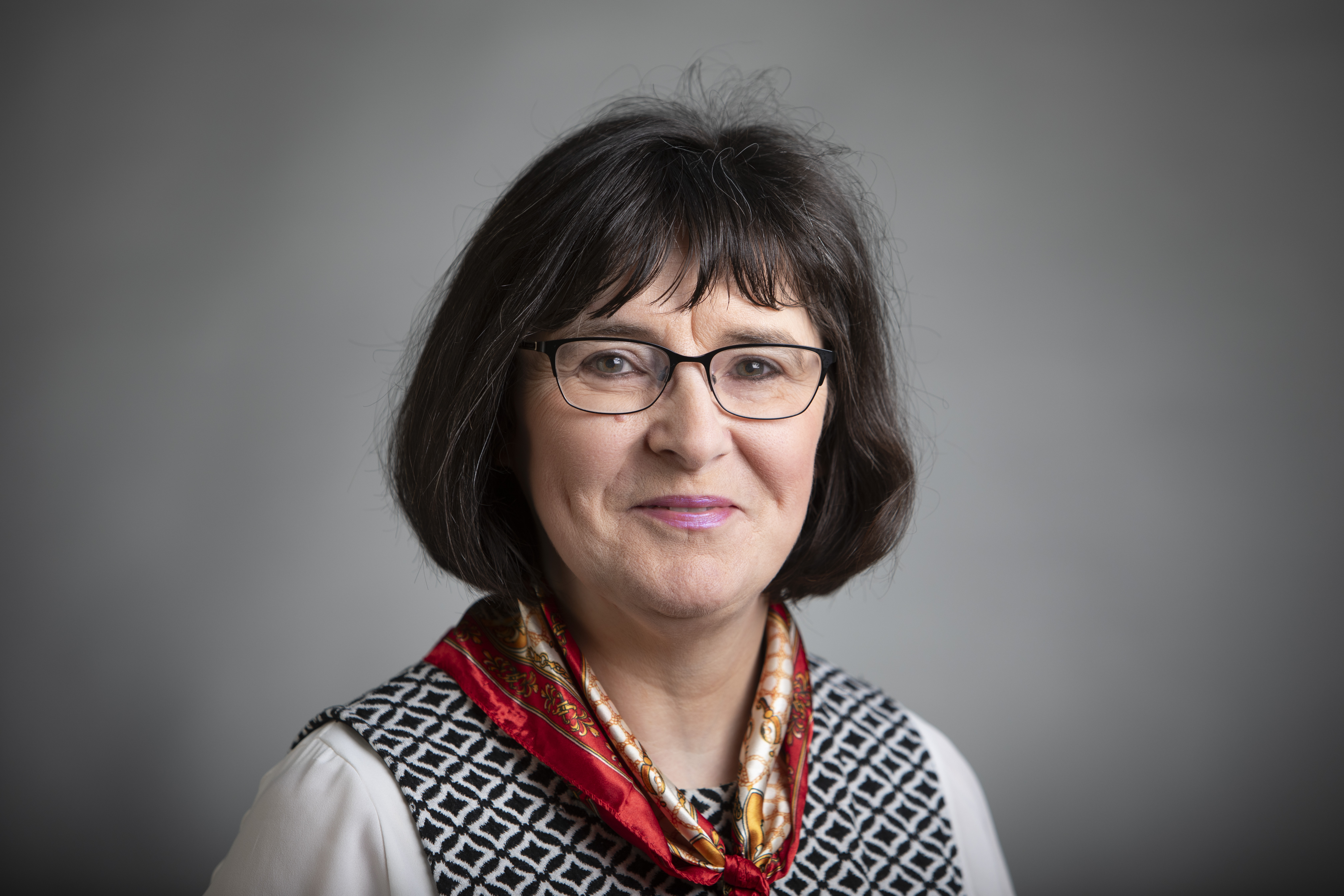
Does the minister share my view and vision that we should have a Gaelic education system such that, one day, Gaelic has parity of esteem with other modern languages, so that every child in our schools who wants to learn the language can take up that option, as available?
link
I strongly agree, and not just in relation to Gaelic. I am fully in favour of multilingualism in all its forms. Gaelic is a vital part of Scotland’s culture, but multilingualism is a great thing for education in and of itself. I know that from my education. It is vital that we have the resources available, although not in a compulsory manner, and that we have the legislative framework in place. We need to boost our culture, our confidence and our success as a nation through multilingualism, and Gaelic is an important part of that.
The type of each item (debate, statement, questions, members’ business and so on) and the times shown are worked out by this site from headings, the chair’s opening words and the Official Report’s running timestamps. They are not the Parliament’s own classification. Text: the Scottish Parliament Official Report.