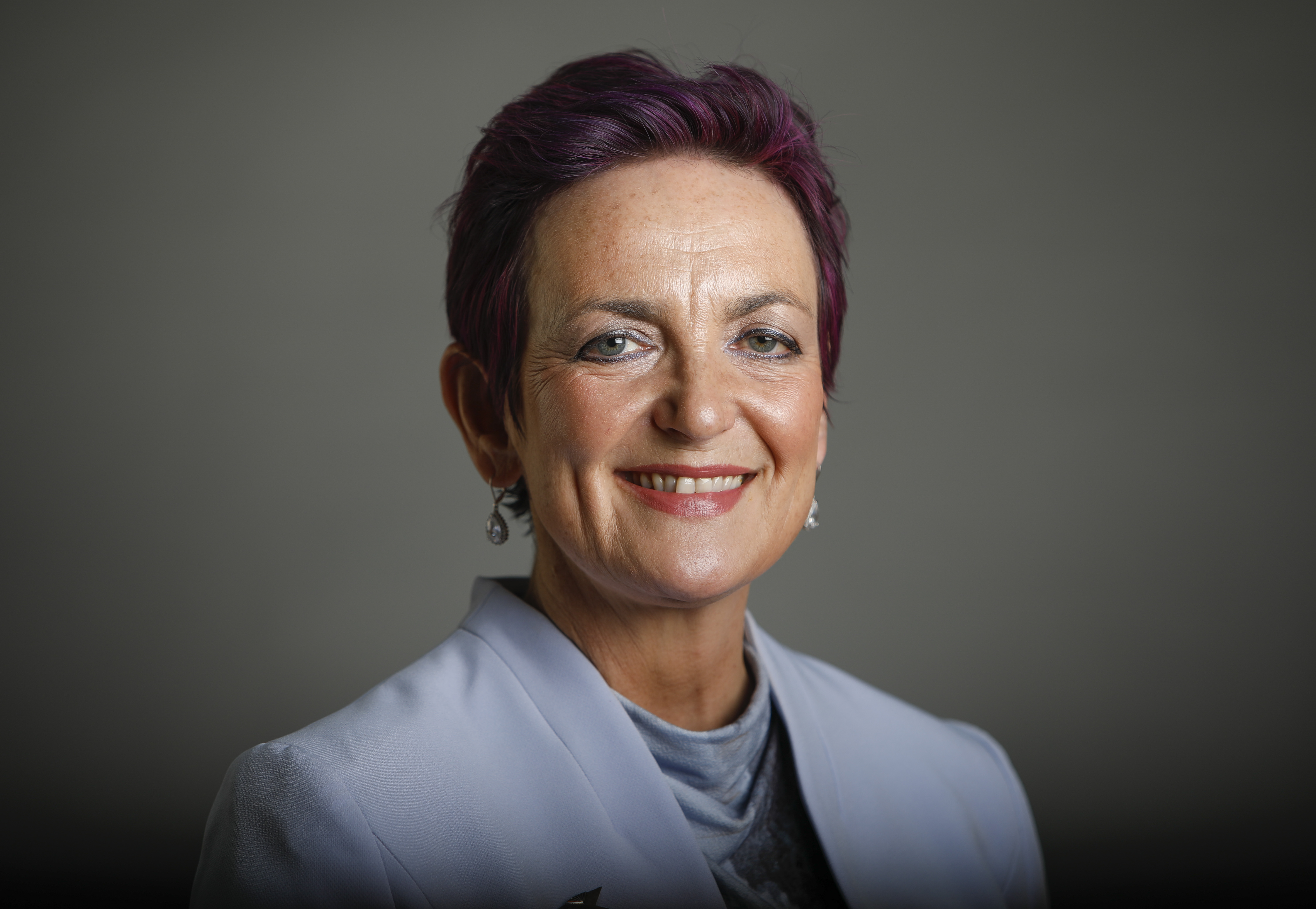
Good morning, convener, and thank you very much for giving me the opportunity to join you again this morning, which I appreciate.I am very glad to provide the committee with information on the devolved aspects of the UK Government’s Health Bill, on which we have secured a number of important amendments that protect the devolution settlement.The bill is primarily about the organisation of health services in England, including the abolition of NHS England, and most of its provisions do not affect Scotland. However, a small number of measures engage legislative competence and therefore require the consent of our Parliament.The provisions that we are concerned with today relate mainly to health information systems, data sharing, commissioning arrangements and certain workforce functions. The UK Government believes that the changes will support more effective co-operation across health systems and improve the operation of services that work across UK borders.Since the bill is almost entirely concerned with England, my priority has been to protect devolved responsibilities and ensure that decisions affecting NHS Scotland continue to be taken in Scotland.The bill, as originally introduced, did not provide sufficient safeguards in a number of areas. As a result, Scottish Government officials undertook extensive and detailed negotiations with officials in the Department of Health and Social Care over many months. The discussions secured a number of important amendments that significantly strengthened the bill from a Scottish perspective. I also took the opportunity to raise the matter with the Secretary of State for Health and Social Care, Yvette Cooper.Most importantly, we have secured statutory consent requirements for Scottish ministers across the key provisions that affect devolved interests. The secretary of state will not be able to establish relevant information systems affecting Scotland, transfer functions to Scottish public bodies or enter into certain arrangements with Scottish health boards without Scottish ministerial consent.Those amendments mean that decisions about NHS Scotland will continue to be taken in Scotland, with Scottish ministers retaining oversight where devolved services could be affected. Cross-border co-operation in health will take place through partnership and agreement, which is how it should be.The amendments are particularly important in relation to health data. Members will rightly expect Scottish data to be handled in accordance with Scottish requirements and expectations. Through negotiation, we have secured safeguards that give Scottish ministers a formal role in decisions affecting relevant information systems and the use of information that is connected to Scotland. We have also secured powers to attach conditions relating to information requests, publication and disclosure. In practical terms, that provides protection against Scottish data being used in ways that we would not permit under Scotland’s own governance and data-sharing arrangements, while still enabling appropriate co-operation where that is in the interests of patients.No legislation of this kind is without its complexity, convener. Some of the operational detail relating to the provisions will be developed later. That is why securing robust safeguards and ongoing intergovernmental engagement has been so important throughout the negotiations.Having secured the improvements, the Scottish Government considers that the provisions that require the consent of this Parliament strike an acceptable balance between enabling practical co-operation and protecting devolved decision making.I am happy to answer any questions that the committee might have on the devolved aspects of the bill.
 link