 link
That has been very helpful. I thank everyone very much for their time.
Official Report · Committee
This is the draft Official Report. The final version may differ.
link
That has been very helpful. I thank everyone very much for their time.
 link
I think that Mary Howden wants to come in on a couple of points—
link
Sorry—I did not see Mary there.
To add to what Susan Smith said, age is also a protected characteristic, and we are finding that there are issues for older women in particular. We have many members who work in the care service, where there are older women who have Alzheimer’s or dementia and who may want to have access to a single-sex service, and that is quite difficult.Also, in general, women who are older tend to be ignored, so I think that we need to take account of age in the code as well.
The Supreme Court said that if you mix up the protected characteristics, the protection against sex discrimination becomes “incoherent” and cannot be used. The UK has a well-established system of equality protection across all the nine protected characteristics, and we should be proud of that.The committee might hear from future witnesses that the UK has gone down in some international ratings, potentially because of the code. It is important to remember that the law has not changed, and that the Equality Act 2010 protects everyone against discrimination across the nine protected characteristics and is consistent with human rights. Some of the countries that are going up in those international ratings do not have a comprehensive system of equality protection that protects women and gay people against sex discrimination, and yet they are being given gold stars because they have adopted gender self-ID—
link
Can we stick to the code? I appreciate that that is a wider point—
The point is that the code covers all the protected characteristics and the law covers all the protected characteristics, and that is something to be proud of.
link
I appreciate that—thank you. The comments around conversion practices came up in our round-table conversation, and we will most likely return to those, as we are the lead committee that will be looking at the UK legislation in Scotland. I say that just to give you some assurance that we will have space to discuss that subject when it comes back to us.I come to Claire Baker—I am conscious of time, and you have not spoken to this panel of witnesses yet.
 link
I will try to be brief.The convener has emphasised that today’s session is about the implementation of the code, notwithstanding the path that you have laid out to how we got to the code. Do you have any examples of authorities or organisations that you can point to for best practice, which you feel are making a good job of implementing the code, and examples of organisations that you think might be furthest away from implementing it? For example, this year, there was a case against West Lothian Council about school toilets. If you could give examples of where there is best practice and where you think there is the greatest difficulty in delivering the code, that would be helpful. I will come to Susan Smith first.
I mentioned before how we do things at Beira’s Place. We have always done it like that—we will see anybody who is biologically female. There may be issues—for example, we have had detransitioners come to us who have been conscious of, and worried about, accessing the space because they might have taken testosterone. We make separate and sensitive arrangements for those people, and we are always respectful. We understand that the impacts of trauma are often different for men and for women, and that is why we have that women-only service.You can do it very easily—it is not as complicated as a lot of people are making out. I know that a lot of the other organisations in the network that we now have in the violence against women sector have been very clear on where they are able to provide advocacy services or other help for men and women, but also on where, if they have accommodation, that is for women only, for very reasonable reasons.I understand that we have a stretched NHS and there are sometimes going to be instances where there are mixed-sex wards, but mixed-sex wards can be an issue. We heard earlier today that people do not care about that if they are in accident and emergency—
link
I am sorry to interrupt. I mentioned earlier that the NHS in England has published guidance on “Privacy, dignity and safety in hospital accommodation”. Do you think that it would be helpful to have a similar policy statement in Scotland?
Absolutely, and I think that the boards should be getting on with that. They should not be waiting for somebody else to come in at the top and do that—they should be undertaking that work now. They need to understand that there are very real reasons—which cut across whatever level of injury or illness someone is experiencing—to have those sorts of provisions.You mentioned the case against West Lothian Council on schools. I worry that some councils have run far ahead with some of the new builds in advance of the law. There is now a lot of special pleading about how it is expensive to go back and reinstate single-sex toilets, but the issue is that nobody was ever consulted when the council decided to disregard the law. That may be a bit of a lesson for public bodies that in future they have to stay compliant with the law. They cannot act on the assumption that they do not have to bother with the law or that it is likely to change. I hope that it has been a lesson for some of them.
link
I know that we are a bit pressed for time, but I want to raise another point, around how we record evidence. The convener spoke earlier about the importance of evidence and facts. Holly Bruce raised concerns from her constituents that she is reporting, but how do we ensure that any evidence is robust and accurate with regard to people’s experience of the code being introduced? Who do you think should fulfil that role? Is it just about the authorities gathering data? What kind of approach should we take?
Gathering data is essential—we are still waiting for the chief statistician’s guidance from the Scottish Government, and we need that. Even in this place, there is a lot of talk about equal representation and yet there are MSPs who will not say what sex they are. How can we ensure that women have equal representation if we are not counted? Data is essential, and there should never be any shame in collecting accurate and robust data on every protected characteristic.
link
Maya, do you want to come in on those points?
Yes—what Susan has said is absolutely right. There is an underlying need to make sure that, wherever information on sex is collected, it is accurate and it is clear that that means sex—
link
There are those questions, but I am thinking about evidence around how people are experiencing the code. Holly Bruce gave examples of constituents who had contacted her saying that they are finding it difficult. That involves correspondence between constituents and MSPs, so it does not involve the robust collection of data; it is anecdotal—well, it is perhaps not anecdotal, but it is about someone’s experience. How do we approach that data? How do we ensure that, when evidence is provided by you or by other organisations that might come before the committee, it is robust with regard to how people’s experience of the code is being recorded?12:00
The Equality Act 2010 has remedy built into it. If, as Holly Bruce has said, people are being harassed, they can, first of all, make a complaint to the organisation and, secondly, they can make a claim. Indeed, if it is a services case, they can make a small claim—it does not have to be expensive. Because the law is clear, everyone can use it.We also need to be able to make complaints to regulators. We thought it very positive that the code was brought into safeguarding guidance in England and Wales, as it means that it is also regulated by the Office for Standards in Education. If somebody has a problem in a toilet or changing room, it should not be brought to Parliament; it should first of all be brought to the organisation, secondly to the regulator and then potentially to the courts. If all of those institutions understand the 2010 act, the system can work; if not, you end up with the sort of ad hoc examples that cannot be brought up here, because they are about personal experience.I just want to pick up on the data issue, because it is important. Unless the data is clear about who is male and who is female, you cannot even start to make a complaint, so we hear from—
link
But if I picked it up correctly, I think that the question was about who should be gathering that data. Is that right? It was about implementation, not who should be gathering it and why it should be gathered.
link
Yes. It was about understanding the impact of implementation on people. How can we, instead of relying on people contacting MSPs directly, look at the impact more systematically?
link
It would be helpful if you could tell us how you as an organisation are gathering that data. Is that it, Claire?
link
Or who you think should be gathering that data. Is that too challenging, or is it possible to do that?
The regulators should be doing that, not small charities or the Parliament.
link
And you said that, in England and Wales, that sort of thing has been brought into a system involving a regulator.
In schools, it has been brought into the safeguarding guidance. However, the charities regulators should be monitoring how charities are doing on that; the health and safety regulators should be monitoring whether it is understood and is being rolled out in relation to health and safety; and the information commissioner should be checking whether organisations understand who is male and who is female in their data. I do not think that it is that difficult. We also have to understand that it is not harassment to say no.
link
Okay.
link
Thank you for that clarity.Fulton, you were looking to come in—I appreciate you have not spoken to these witnesses yet.
 link
I think that my question follows on from Claire Baker's line of questioning. From the earlier panel, whose evidence you all heard and have referred to, we heard what I would say was a generally positive response to the implementation of the code. However, I am hearing more concerns about it from this panel, with Mary Howden highlighting the local authorities and Susan Smith referring to NHS Lanarkshire. How can the committee get to the bottom of all of this? What sort of information do we need, and what can we ask the minister and the Government in the session that we will have with them in the coming weeks to try to find out where we are? After all, what we are really hearing is two different positions.
Thank you for the question. It is very important that the ministers who are responsible—for example, the health minister in relation to the NHS—make it clear that they are actively looking to have this sort of guidance produced. Again, in education, the guidance for schools has to be clear. Therefore, there is a role to be played by leadership in ensuring that the message going to public bodies is that there is an expectation that the code is followed.It does not necessarily sound like much, but when we had a certain hands-off approach—with people saying, for example, “We are not responsible for the prison service”—we were not getting the leadership that was desperately needed in that respect. It would be a great start if the Government led by example. The Government should make it clear that there is an expectation that guidance must be legally sound and robust, and should talk to councils and trade unions to get that message across.
There is an issue about clarity on what is being asked for and required. Our experience of looking at data has been problematic, because there are different ways of recording things. For example, we recently submitted an FOI request to a health board, which could tell us how many people had reported being assaulted but could not tell us where the incidents had happened and whether they were in mixed-sex or single-sex wards. Obviously, those things have implications for the code.The issue is about the leadership role. For instance, we need the Scottish Government, Healthcare Improvement Scotland and COSLA to set out concrete implementation plans that they bring to the committee, and to provide you with evidence, rather than saying, “We have done this, that and this.” How the evidence is gathered is important, and that goes back to the original question about data and clarity on what is required and expected. As policy makers and lawmakers, how can you provide robust laws if you do not have robust data to support what you are doing? It is crucial that you have more concrete evidence in relation to what is expected and required.
link
Maya Forstater said earlier that there is evidence that the private sector has moved more quickly to implement the code than the public sector has. However, are there good examples of public sector organisations implementing the code as per the law and finding that proportionate response? I do not want to put words in your mouth but, looking back on our first evidence session today, the Police Scotland representative seemed to talk a bit more robustly than the representatives of the other organisations and was able to give examples of practice. For committee members, that brings it more into the real-life situation.
I think that many organisations are making quite a meal of this—it really is not that difficult. There are two kinds of people and there are three kinds of spaces, and, in most situations, an organisation can provide three kinds of spaces. In some situations, that is not possible, and then you have to think about how to accommodate people who have particular vulnerabilities—there are all kinds of vulnerabilities. That is the law, and it is not that difficult.We are seeing what we think of as quiet compliance. People do not tend to wave flags on this; they just get in line with the law. However, one issue that it would be good for the committee to consider is that organisations can respond to the law by getting rid of single-sex provision altogether. They can just throw up their hands and say, “It’s too political, difficult and controversial, so we just won’t have any single-sex services; we’ll make everything mixed sex,” and that harms women. That is not necessarily unlawful, but it is bad from a policy point of view, and from a public sector equality duty point of view, if public funding is going into it. It would be worth the committee considering whether, for example, leisure centres and local councils are moving away from having any separate provision for males and females and are just putting everything together.
link
Holly Bruce wants to come back in, as she was named in a response. If you could be brief, Holly, that would be helpful.
 link
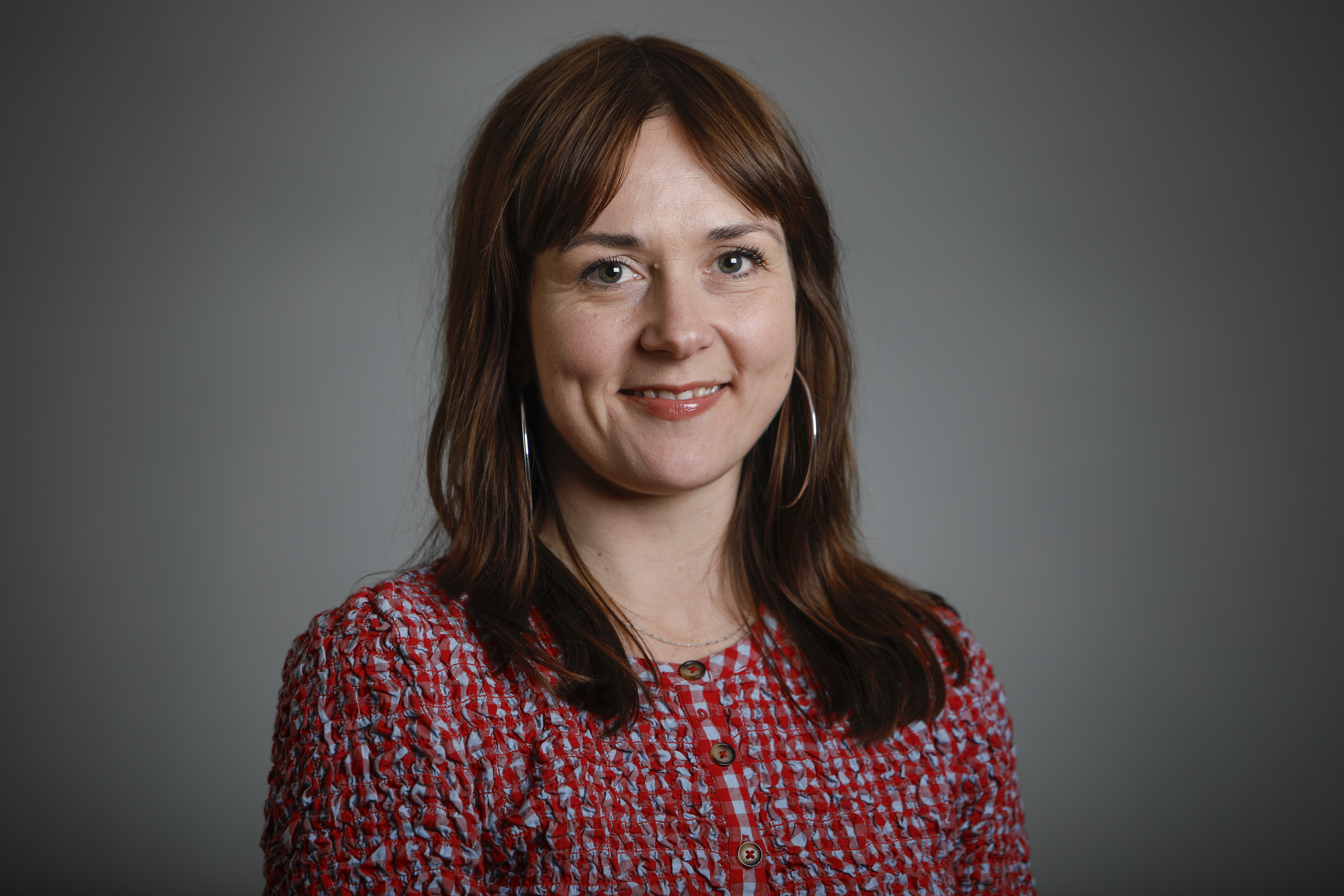
Thank you, convener. Just to clarify, I hope that Claire Baker’s remarks were not meant to diminish my constituents’ experience by suggesting that they are not robust enough. I hope that that is not what was meant by those comments, and I would appreciate a response to that.On Maya Forstater’s point that it is not an MSP’s job to gather evidence, our job is to represent our constituents and their experiences in Parliament. That is what I have been doing today, and it is a fundamental part of our job. I completely agree that evidence and data gathering need to be better in this regard, but it would be insincere of me, and inaccurate, to say that my job does not involve evidence gathering and sharing experience.
link
We are here with a specific aim. I appreciate that Claire Baker has now been mentioned, so I will allow her to make one specific point and then I will draw a line, as I am conscious of the time. We have just a few minutes left, and I have a tiny space for Kate Nevens to come in.Claire, I will give you a right to respond, and then we will move on.
link
Thank you. I was not trying in any way to diminish the reports that Holly Bruce received from her constituents. I was trying to probe how we can ensure that evidence of lived experience is accurately recorded.
link
Thank you.Kate, we have just a few minutes left, but you can ask a question if you would like.
 link
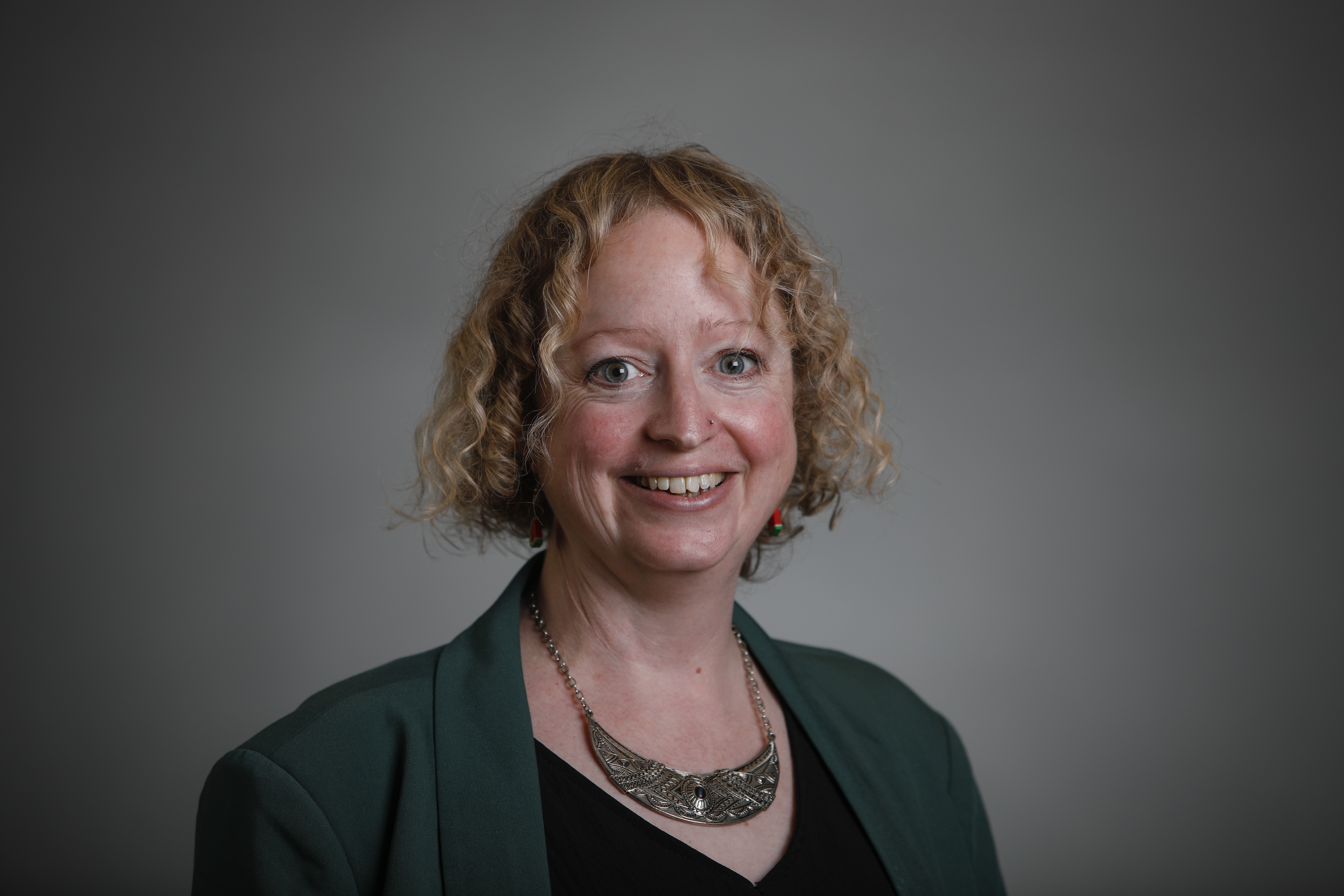
Thank you, convener—that is very kind.We heard earlier about how much money is being spent by public services on future-proofing their facilities to be in line with the code. We know that many women’s services that have been providing trans-inclusive services safely for decades are already incredibly stretched for funds and in terms of their capacity to provide their vital services and are now faced with implementing what is felt by many to be an unworkable and discriminatory code.How do the witnesses feel about time and funds potentially being directed away from survivors’ immediate needs to the implementation of the code? What provisions are being made to ensure that trans women have the same level of and ease of access to survivor services as cis women have?
link
Again, I just clarify that we are talking about implementing the code.
Women’s organisations in the network across Scotland, some of which have now disaffiliated from Rape Crisis Scotland and Scottish Women’s Aid, are absolutely delighted, because they were providing women-only services but doing so in fear and feeling under duress, because they worried that their funding would be cut either by the Government or councils if they said that their services were for women only.Kate Nevens talked about trans women accessing those services. I think that Edinburgh Women’s Aid has said that, over 15 years, it dealt with four trans women, and those cases involved only advocacy services; they were never about accommodation. Therefore, Kate Nevens is building something up that is not necessarily an issue. If there is an issue with male-on-male violence—I think that there is—services for that have to be provided separately and with due consideration to the different sort of trauma involved.Isabelle Kerr, who is on the board of Beira’s Place with me and who ran Glasgow and Clyde Rape Crisis for many years and kept it as a women-only service, has said that, many years ago, she was consulted on a project with an LGBT group to try to get equivalent services, and it found the biggest need there was for gay men. The funding for that was cut because there was a desire for those people to go into the women’s sector, but that was not an appropriate place, and it was said at the time that it was not an appropriate place.
link
Can we stick to the code? I am conscious of the time.
Sorry. I am sticking to the code. I am trying to say that, really, the code only says what has been known for a very long time. Anybody who truly works on the front line of women’s services will tell you about the need for women-only spaces. That has always been true, and there were fears about that.For many people in the women’s sector, the code has been a huge relief. That does not mean that other services should not be provided, but frankly you need to ask the organisations that represent those groups why they are not providing such services. Why are they not using the money that they get from the Scottish Government to provide those services? Kate Nevens talked about money being spent on changing facilities. Why was that money spent on changing facilities in defiance of the law?This week, I was at the 50th anniversary event for Glasgow and Clyde Rape Crisis. It is facing a funding gap, which is disgraceful. The Parliament says that it is interested in dealing with misogyny and violence against women. Well, that is a great way to spend money. Money should not be spent on court cases that try to disapply the code, as has been done up to now.
If people think that it is discriminatory to exclude all men from a women’s service, they should read the code—it is not, and that includes trans women, and men who identify as non-binary. They are not women, and it is not discriminatory to exclude them. That is what the code says.
link
It is discriminatory to—
link
We will come to a conclusion on that point. I thank the witnesses for coming to speak to us today, and I thank members.Before we conclude, I reiterate what I said at the start of the meeting: we have another two panel sessions next week and then we will hear from the minister. That concludes our business in public this morning.12:15Meeting continued in private until 12:23.
The type of each item (debate, statement, questions, members’ business and so on) and the times shown are worked out by this site from headings, the chair’s opening words and the Official Report’s running timestamps. They are not the Parliament’s own classification. Text: the Scottish Parliament Official Report.