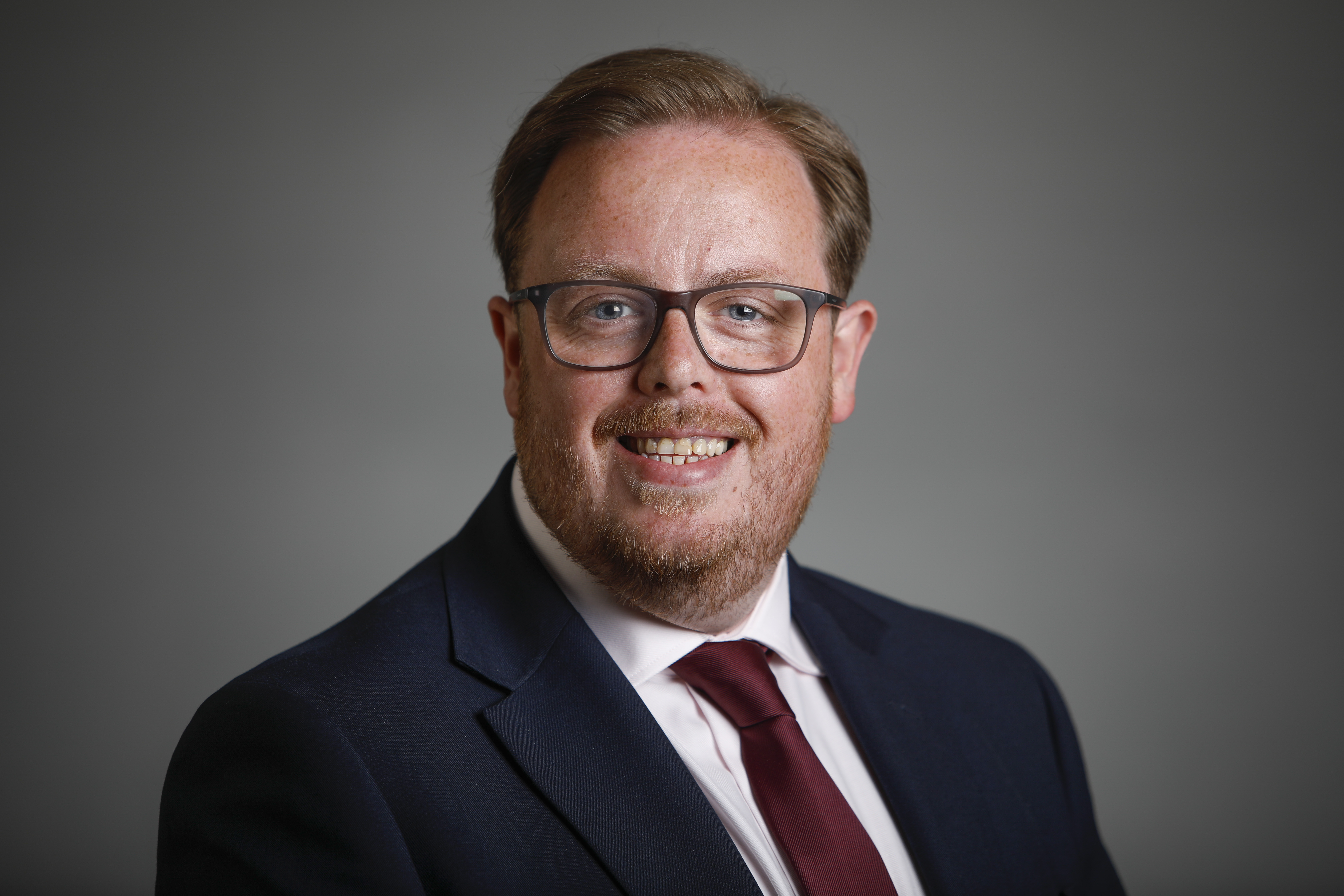
To ask the Scottish Government, in light of the United Kingdom Government’s recently proposed changes to the rules governing indefinite leave to remain, what assessment it has made of the potential impact of these changes on Scotland’s communities. (S7O-00471)
Simita KumarSNPThe Minister for Equalities and International Development · Edinburgh South Western
The Scottish Government strongly opposes the UK Government’s proposed settlement reforms, which will extend the qualifying period for indefinite leave to remain potentially up to 30 years for some refugees. Extending timelines for settlement undermines integration and prolongs insecurity for individuals and families who are recognised as being in need of protection from war and persecution. These proposals undermine the vital contribution migration makes to Scotland’s economy and communities.
I thank the minister for her response, but the recent watering down of these much needed reforms means that 1.4 million people, the vast majority of whom are well below the threshold of being net financial contributors, will settle in Britain by 2030. That could mean 120,000 people—almost the equivalent of a city the size of Dundee—settling in Scotland in the next three and a half years. Is the Government really saying that that will not have an impact on housing, public services and community cohesion?
I thank Mr Langan for his question, but I want to offer an alternative view to some of the things that he has presented. The Institute for Public Policy Research estimates that skilled migrants contribute up to £115 billion to UK public finances under the current settlement arrangements. Our migrant workforce helps with our healthcare, our social care and our agriculture, and I ask the member to determine those things before he brings alternative facts to the chamber.
The minister is very quick to throw out petty insults and to lay out the welcome mat for any and all in the name of progressive politics, without taking any responsibility for the decisions being made through the Government’s policies in working class communities. Does she not understand that the biggest threat to social cohesion is not Reform raising concerns, but the Government’s inability to put the people of Scotland first over those strangers who have come here illegally? Will she finally reintroduce local connection for social housing?
I thank Mr Kerr for his supplementary, but my values and those of the Scottish National Party Government are without a doubt to do with integration and the contribution that our migrant communities make to Scotland. The member’s question about social cohesion is almost laughable, given that colleagues in Reform have done nothing except create community tension and use divisive language.
The talk of strangers reminds me that there is nothing stranger than the Reform party.
Unlike Reform, I believe that it is positive that the Labour Party has scaled back somewhat on its crackdown on health and social care workers, but the UK Government’s immigration proposals are set, nevertheless, to damage Scotland’s economy and our public finances, making us all worse off. Can the minister tell us what assessment the Scottish Government has made of Labour’s approach to immigration, and its impact on Scotland, including demographic and depopulation challenges?
I thank Mr Brown for his supplementary. The Scottish Government has consistently highlighted the importance of migration to Scotland’s long-term economic and demographic sustainability. In both our response to the UK Government’s earned settlement proposals and our paper “Migration: supporting the future of Scotland’s economy and communities”, which was published in August as part of the Scottish Government’s 100-day commitments, we set out evidence of migration’s positive contribution to Scotland’s communities and economy. I would also repeat that skilled migrants contribute up to £115 billion to UK public finances.
The type of each item (debate, statement, questions, members’ business and so on) and the times shown are worked out by this site from headings, the chair’s opening words and the Official Report’s running timestamps. They are not the Parliament’s own classification. Text: the Scottish Parliament Official Report.
 link