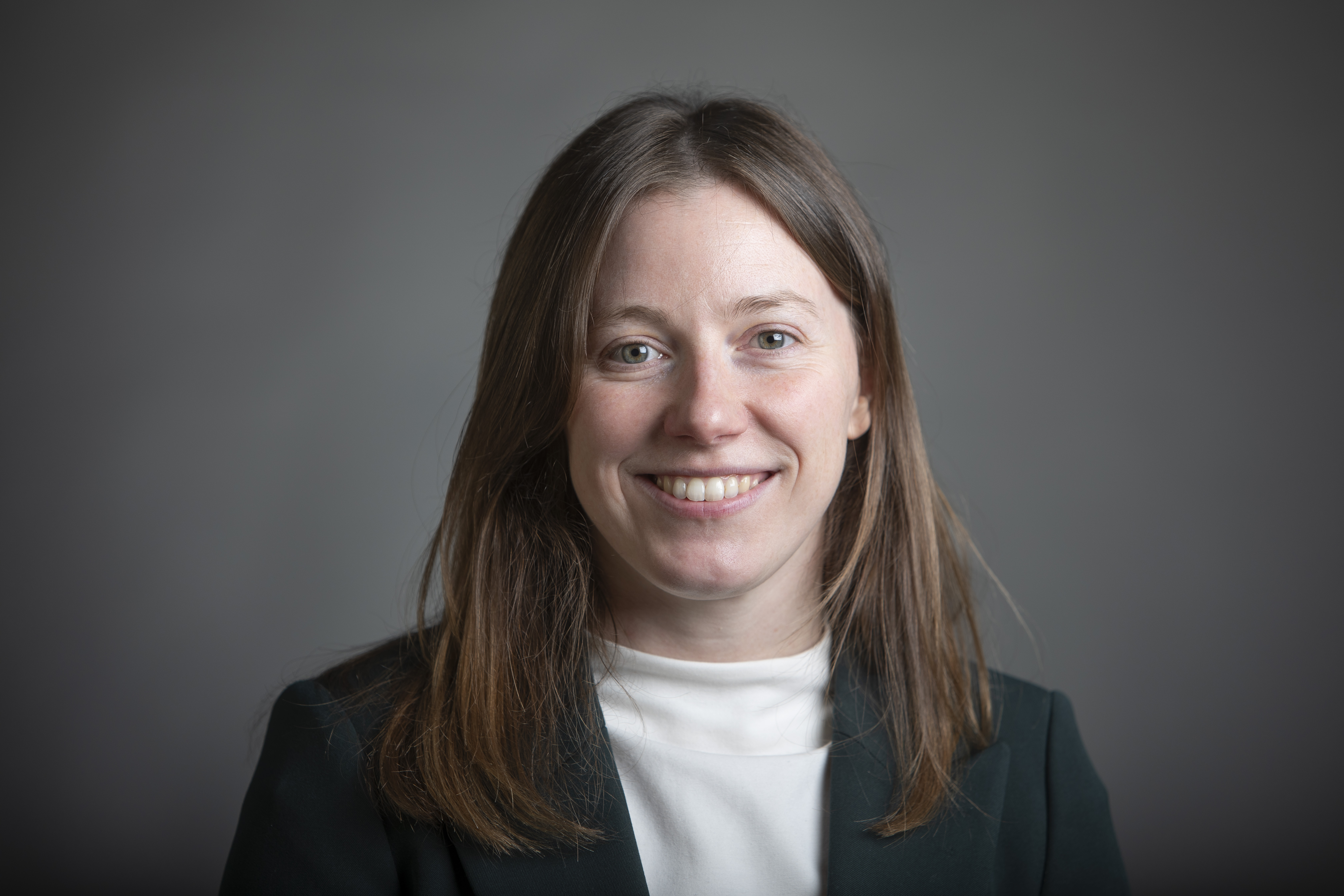
I will give the committee my lived experience from the perspectives of DTAS and the Assynt Development Trust. We are an anchor organisation for the NorthWest2045, which is a collaborative non-constituted entity that comprises community owners, environmental owners such as the John Muir Trust and the Scottish Wildlife Trust, private landowners, Highlands and Islands Enterprise and Highland Council. We have all come together to tackle the polycrisis that concentrated land ownership has created for our area—a crisis across housing, childcare, health, infrastructure, transport and nature restoration.The concentrated ownership of land has driven us to the lowest population density in all of Europe. There are roughly 3,200 people from Coigach, in the south, up to Durness and across to Bettyhill, which is an area of roughly 3,000km. There is a population of 1.6 people per square kilometre, which is the lowest density in Europe—it is lower than in Lapland, which is where Santa lives, for any young people who are listening.In the past 25 years, our population has dropped by 10 per cent and our school roll has fallen massively. Kinlochbervie high school was built in the 1990s with European Union funding and has capacity for 160 children from first to sixth year. However, the current school roll is in the low 30s and is forecast to fall to 25 pupils by the end of the decade. Moreover, many of our townships have more over-90-year-old residents than under-fives. Therefore, if you are looking for evidence, you will see it in the falling school rolls and in people moving away because the infrastructure and housing are not there.09:45The biggest barrier to providing attainable housing is access to land. We work regularly with all the landowners, but I have to say that I found Sarah-Jane Laing’s comment about the Scottish Government being the largest landowner in Scotland interesting. In Scotland, we have an overseas individual who is the largest private landowner not just in Scotland but in Europe. He is the largest landowner in Scotland because we have legislation that allows him to buy the land and not to contribute anything at all—or, at least, not much—to His Majesty’s Treasury or the Scottish economy. According to the last records that I saw, he had announced an £8 million loss, so there really are no capital gains coming into the Treasury.It is a bourach—it really is. It is a complete mess. We are struggling to survive here, yet, if we had some form of greater support for community ownership, we could address things and become sustainable. The area north and south of the central belt is an entrepreneurial one, but we are not giving the people outside the central belt a fair crack of the whip, and that has to change.It is good to hear the different views coming from the committee, but I think that we have to be bold in our governance and actually introduce a land value tax that is fair and comparable to those in other countries.
 link