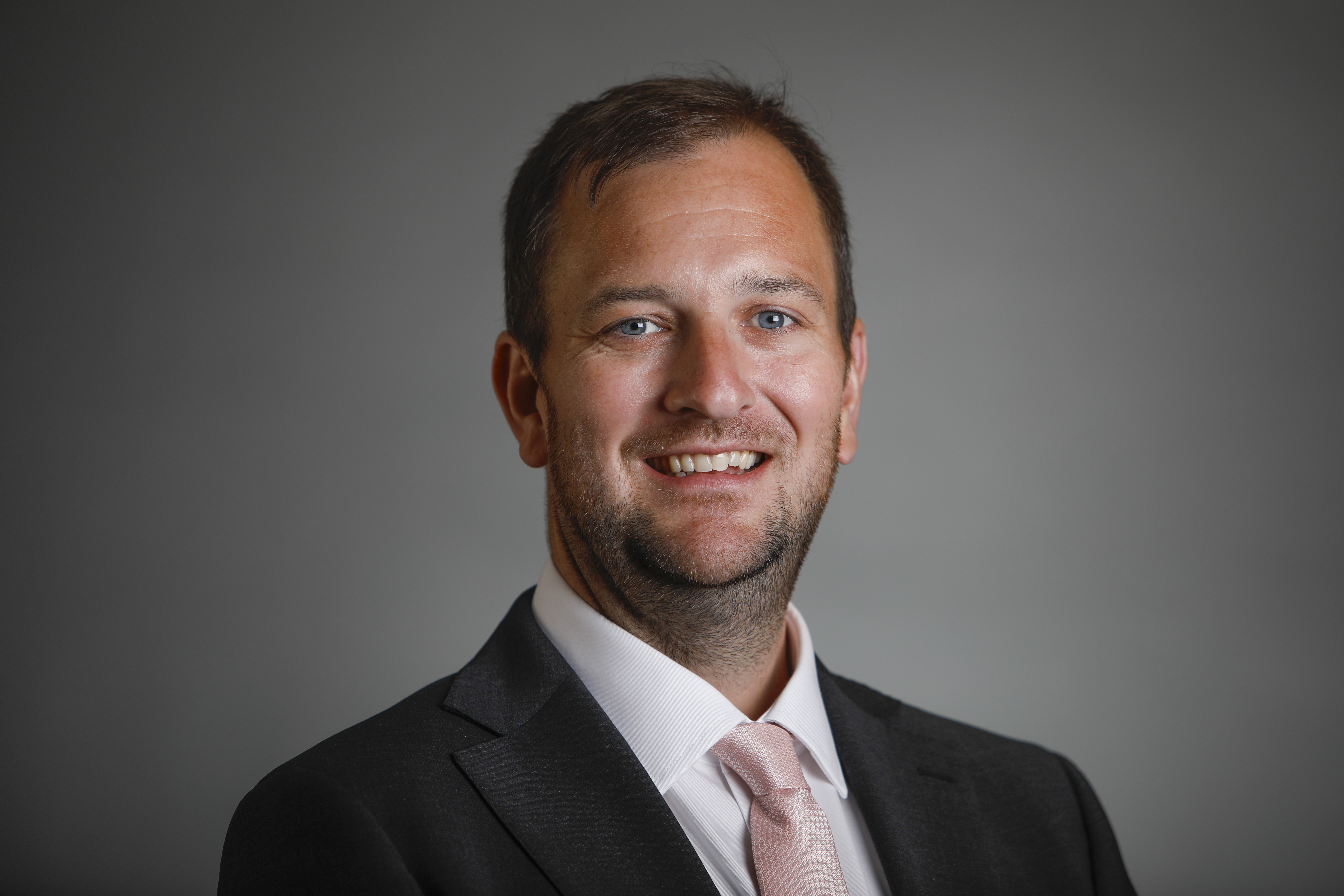
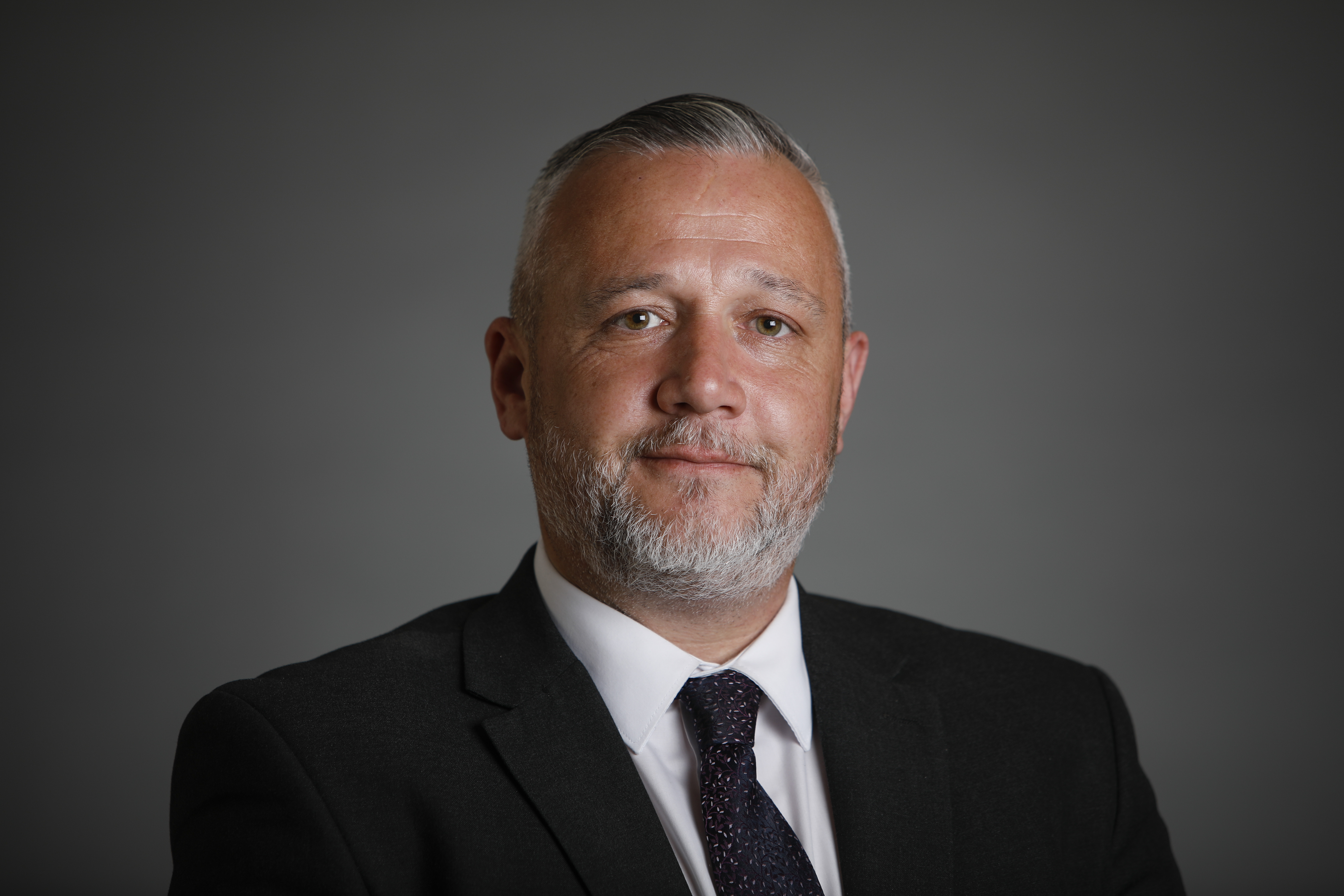
Our fifth agenda item is our first stage 1 evidence session on the Scottish Local Government Elections (Candidacy Rights of Commonwealth Citizens) Bill. We will hear from stakeholders with an interest in the bill. I welcome Robert Nicol, president of the Scottish Assessors Association, and Chris Highcock, secretary of the Electoral Management Board for Scotland and depute returning officer at the City of Edinburgh Council. Thank you for joining us. Do you wish to make any opening remarks?
Chris HighcockElectoral Management Board for Scotland
I do not have anything specific to say on the bill at this point. I am happy to wait for questions or to say more about the board and our work, if that would be helpful.
You introduced me as the president of the Scottish Assessors Association, and you might wonder what that has to do with elections. I am also the electoral returning officer for Renfrewshire, East Renfrewshire and Inverclyde, and most assessors in Scotland are also EROs, so I am representing them.
Thank you for the clarification.What are your views on the effect of maintaining the current legal position? Is that sustainable, and, if not, is the change proposed in the bill the best way to resolve that?
Chris HighcockElectoral Management Board for Scotland
In effect, the bill brings the approach to the Scottish local government elections in line with the approach that has been applied to the Scottish Parliament elections, and it is about the candidacy rights of a certain set of individuals. It will not particularly make a difference to how returning officers deal with candidates. It is the responsibility of returning officers to accept a nomination paper at face value. We do not have powers to undertake any investigation into or research on the qualification of candidates. It is clear, in law and precedent, that the returning officer takes the nomination papers at face value. If the papers have been properly filled in, they are accepted, and it is for the candidates to determine whether they are qualified to stand. The bill will change the qualification requirements for local government elections, bringing them into line with the approach that applied to the Scottish Parliament elections that we had in May.The approach could stay as it is, but that just means that a different set of people are qualified to stand. As I said, it will not alter what we do; it will just allow a different set of people to put themselves forward and be content that they are qualified.
I am slightly bemused, but perhaps I did not understand you correctly. Are you saying that no checks at all are applied and that it is up to the individual to make sure that they are eligible?
Chris HighcockElectoral Management Board for Scotland
When returning officers receive nomination papers for candidates for any election, those are accepted at face value. It is for the candidates, taking legal advice if necessary, to determine and satisfy themselves that they are qualified to stand and not disqualified.
The arbiter would be the courts. As long as the nomination papers are appropriately filled in, the returning officers take it to be a valid nomination.
From what you are saying, absolutely anybody could put their name forward and, although they might not be eligible, because no check is made, they could be elected. Thereafter, their election could be challenged only in the courts.
Chris HighcockElectoral Management Board for Scotland
In 2021, there were an estimated 397,000 non-British nationals in Scotland, 165,000 of whom were non-European Union citizens. Do you have any idea what the current figures are?
Chris HighcockElectoral Management Board for Scotland
I understand that now, and that is helpful, because I had thought that you checked nomination papers when we submitted them.Given that the proposed rule applied in the recent Scottish Parliament elections, what insights can you give us about the impact of allowing those with limited leave to remain to stand? None, I assume, because you did not check—you did not know who they were.
Chris HighcockElectoral Management Board for Scotland
Returning officers would need powers to carry out investigations to confirm addresses, citizenship, names and other personal details. We do not have the powers to do that.
Let me muse for a minute. If somebody had limited leave to remain, and, for whatever reason, that was not extended and they needed to leave the country, but they were elected to office, what would that mean in practical terms? Would there be a by-election, or would they be able to remain in post but not attend any meeting of the council or the Parliament, because they would be out of the country?
Chris HighcockElectoral Management Board for Scotland
Mr Simpson, we are taking evidence on quite a narrow bill to change the law specifically to ensure that Commonwealth citizens with a limited right to remain can stand in local government elections, as they currently can in Scottish Parliament elections.
Not on that topic in particular. However, I am thinking about whether, under the introduction of voter identification, it would be an option to check the ID at that stage and make sure that someone is eligible to stand. Alternatively, should the onus be on the political parties to conduct checks before someone is put forward for election?
Chris HighcockElectoral Management Board for Scotland
That is a policy issue for Government to determine. We will apply the rules as they are written in the legislation. That issue has certainly been debated broadly across the UK, and the UK Government is considering whether there is a need to verify the identity of people who stand in UK elections.If that was to be the case, it would potentially introduce significant additional work to the nomination process, which is already quite onerous and time consuming. In Scotland, there are 1,227 councillors, and thousands of nominations are to be taken ahead of 6 May next year. If we were to check the qualifications to stand of all of those, that would add a significant additional burden of administration and cost to the work of delivering the elections. At the moment, that is transferred to the individuals, who commit an offence if they give false information, which would be dealt with by the courts.
Does it surprise you that the politicians round the table are surprised that those checks are not already in place? We take great care in filling out the nomination papers and making sure that all the addresses and other required items of information are accurate, because we understand the importance of that. Does it surprise you that we are surprised that no checks and balances take place?
Chris HighcockElectoral Management Board for Scotland
The nomination papers include an extract of the law. When people sign those nomination papers, they are giving their consent that they are qualified, making a solemn statement that they are not disqualified and accepting that they will be committing an offence if they have given false information on those papers. It is for the people signing the papers to read them and make sure that they understand what they are signing.
I have a few quick questions. It is always important to understand why we are here. My understanding is that the Scottish Elections (Representation and Reform) Act 2025, in which I was not involved, changed the law in two ways. First, Scottish Parliament elections under the Scotland Act 1998 were changed to allow those with limited leave to remain to stand. However, the Local Government (Scotland) Act 1973 was not changed, which is why the bill is in front of us. Is that correct?
Chris HighcockElectoral Management Board for Scotland
Okay. We can come on to that in future.Did we learn anything from the recent Scottish Parliament election about how many people with limited leave to remain chose to stand?
Chris HighcockElectoral Management Board for Scotland
I will finish with a question about uncertainty for voters if representatives cannot finish their term of office due to their status, and the impact that that might have on public confidence in the voting system. I ask that of Robert Nicol—and, Robert, if you would like to add anything on previous questions from colleagues, please do so.
We are all keen, I think, to ensure that all voters have confidence in the whole electoral process, at every level of democracy, from parish councils to the UK Parliament. Anything that dents that dents it at all levels. That is worth bearing in mind.An elected member at any level can become disqualified for a number of reasons and not just through their immigration status. That might have been more prominent recently, but a variety of things could happen that mean that someone is no longer eligible to carry on in elected office. Focusing on one possible aspect is not necessarily productive. We are looking at maintaining the integrity of and confidence in the system as a whole, at all levels.
Chris HighcockElectoral Management Board for Scotland
I agree. There are lots of reasons why someone might be disqualified and, when someone is elected, there is always a degree of uncertainty as to whether they will see out their term.
It is very important that there is consistency across all elections in the rules that apply. That assists the candidates as well as those of us who are administering the elections, but it also assists the voter if there is an understanding that the rules are consistent across all electoral events that are being administered.What those rules are is for Parliament to determine. It is our job to apply them as they stand.
That is helpful.Since there are no further questions from the committee, I thank you both for joining us. Your comments will help the committee in preparing a report to the Parliament in a few weeks on whether to approve the general principles of the bill. If we have any further questions, we may follow up in writing, if that is okay.I briefly suspend the meeting to allow for a changeover of witnesses.09:48Meeting suspended.09:58On resuming—
The type of each item (debate, statement, questions, members’ business and so on) and the times shown are worked out by this site from headings, the chair’s opening words and the Official Report’s running timestamps. They are not the Parliament’s own classification. Text: the Scottish Parliament Official Report.
 link