To ask the Scottish Government, regarding widening access policies for Scottish-funded students applying to university, what its position is on whether disability, neurodivergence and long-term health conditions should be considered. (S7O-00271)
I apologise that I am not there in person. My appendix clearly does not respect parliamentary timetables
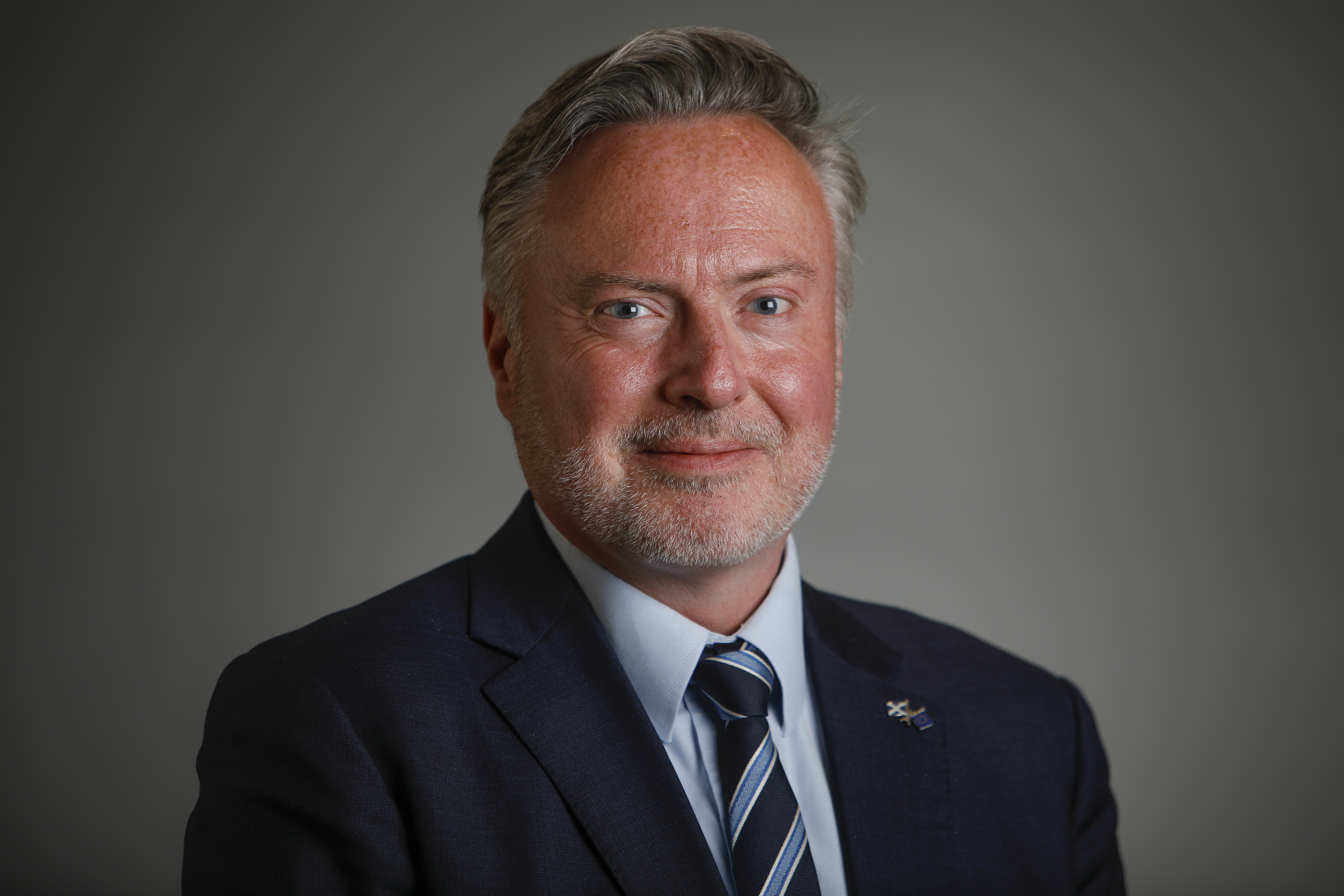
Alyn SmithSNPThe Minister for Innovation, Technology and Tertiary Education · Stirling
The Scottish Government is committed to ensuring that learners with disabilities, long-term health conditions or additional support needs can access higher education and receive the support needed to succeed.
Recent statistics show significant progress. The proportion of Scots entering full-time first degree courses with a known disability has risen from 11.5 per cent to 25.5 per cent over the past decade. Colleges and universities have duties under the Equality Act 2010 to make reasonable adjustments and provide tailored support. To look at what more we can do, we will consider the findings from a recent consultation on disabled student support.
I thank the minister for his answer and for his concern.
I have been contacted by the family of Devyn Taylor from Stepps, who achieved five A grades at higher and excellent advanced higher results despite years of illness, disability and delayed neurodevelopmental support. Despite those achievements and the resilience that she demonstrated in overcoming those barriers, she was unable to secure a place to study her dream course in dentistry.
Does the minister believe that disability, neurodivergence and long-term health conditions are given sufficient regard in Scotland’s widening access framework, particularly for highly competitive courses such as dentistry? Is that adequately reflected in how we assess the barriers that young people have overcome to achieve their academic success?
I would very much say that that applies to the high-demand courses as much as everything else. The duties under the Equality Act 2010 apply to everybody. The member raises a specific case and, if he would like to meet me, I would be happy to discuss it with him.
I say to all colleagues across the chamber that, if they have a specific case that they would like to raise, they should do so in advance, and I will probably give them a better answer.
I know that free tuition under the Scottish National Party is tackling financial barriers to attending university, and Scotland’s approach to supporting access to higher education goes further than is the case anywhere else in the United Kingdom.
Will the minister share what assessment has been made of the impact of the Scottish Government’s investment, especially in providing pathways to university for more of our young people, regardless of their background?
I thank Katie Hagmann for raising a subject that I know is close to her heart. The statistics show that Scotland is widening access to university, with the number of Scots from the most deprived backgrounds who enter university on full-time first degree courses up 55 per cent since this Government’s establishment of the commission on widening access. In 2024-25, we had a record 17.4 per cent of full-time first degree entrants coming from Scotland’s most deprived areas, which is an increase from 16.7 per cent in 2023-24. That is the highest proportion recorded and it shows progress towards the commission on widening access’s target that one in five students who enter university will come from the 20 per cent most deprived areas by 2030.
The type of each item (debate, statement, questions, members’ business and so on) and the times shown are worked out by this site from headings, the chair’s opening words and the Official Report’s running timestamps. They are not the Parliament’s own classification. Text: the Scottish Parliament Official Report.
 link