To ask the Scottish Government whether, given the finite amount of funding available for environmental protection, it considers that funding should be prioritised towards measures with certain outcomes or those with uncertain outcomes. (S7O-00260)
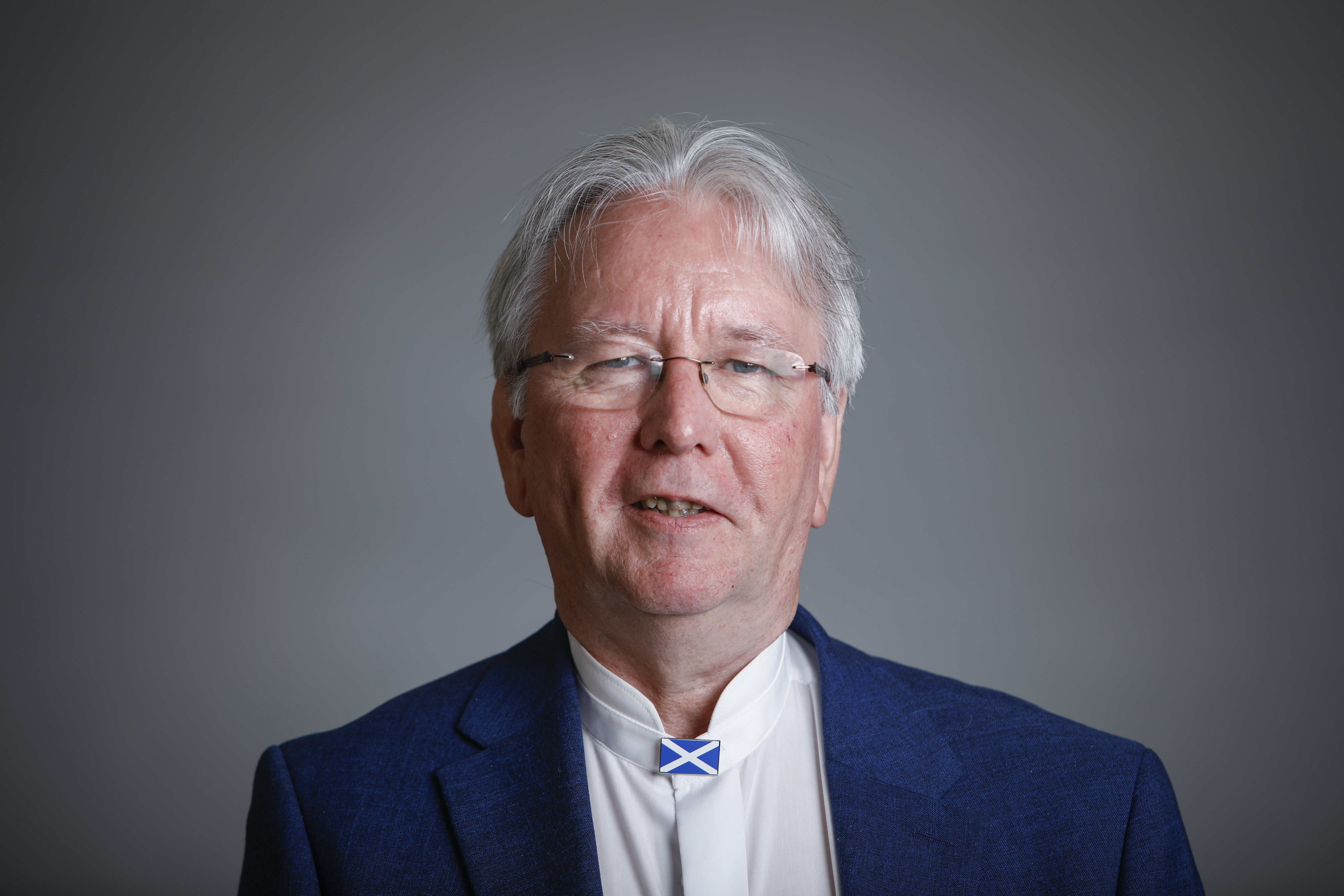
Jim FairlieSNPThe Minister for Agriculture, Marine and the Islands · Perthshire South and Kinross-shire
The Scottish Government takes an evidence-based approach to policy making, as well as in its decisions on funding and regulation. Inevitably, decisions must be taken where there is more or less certainty, so we are guided by the precautionary principle to enable proportionate decision making.
The Scottish Government will set out its spending plans for 2027-28, as part of the Scottish budget, on 3 December.
It would not be unfair to describe the effect of an increasing level of atmospheric carbon dioxide on our climate as infinitesimal, and any effort to reduce it as contentious. It would not be contentious, however, to describe Scotland’s water, our proudest natural asset, as polluted.
Surface water and groundwater are contaminated by perfluoroalkyl and polyfluoroalkyl substances—PFAS—microplastics and pharmaceuticals, among other things, and we are dumping raw sewage into the sea for probably more than 1,000 hours every day. Why not divert the thousands of millions of pounds that are currently allocated to chasing the carbon chimera in pursuit of the mythical net zero to where science says that it could make a measurable and positive environmental impact instead?
A debate is happening this afternoon that the member might want to check into. On the debate about net zero, adaptation and where the priorities should be, they are all priorities, and we have the targets for good reason. We understand that the climate is changing and we will take adaptation measures, because we have effects such as flooding, water scarcity, drought, wildfires and coastal erosion. All those things are happening before our eyes, which the member accepts. Therefore, we have to prioritise our spending in the areas that we know are making a difference at the time, as well as looking at longer-term measures.
When dealing with climate and nature, I am unclear as to how anything that is worth doing can feasibly be described as a certain or uncertain outcome, other than the fact that climate change is certainly real and that the impacts of it are being and will continue to be felt in my community, which is why climate action is essential. The Scottish Government will invest £160 million to maximise the power of our land and forests to help tackle climate change and protect nature. What does the Scottish Government expect to achieve as a result of that investment?
I whole-heartedly agree with Laura Mitchell. The crises of climate change and biodiversity loss are very real, as I just stated to the member who asked the previous question. Those crises are linked and mutually reinforcing, and we need to tackle the two together to protect our valuable natural capital, which directly supports £40 billion of economic output and underpins our health and prosperity as a nation.
We are investing £160.1 million in woodland creation, protecting our ancient Caledonian pinewoods, restoring peatland and delivering Scotland’s biodiversity strategy. All that will lock up carbon to protect our land-based industries and increase the resilience of our communities to the growing risks resulting from climate change, including flooding and wildfire.
The type of each item (debate, statement, questions, members’ business and so on) and the times shown are worked out by this site from headings, the chair’s opening words and the Official Report’s running timestamps. They are not the Parliament’s own classification. Text: the Scottish Parliament Official Report.
 link