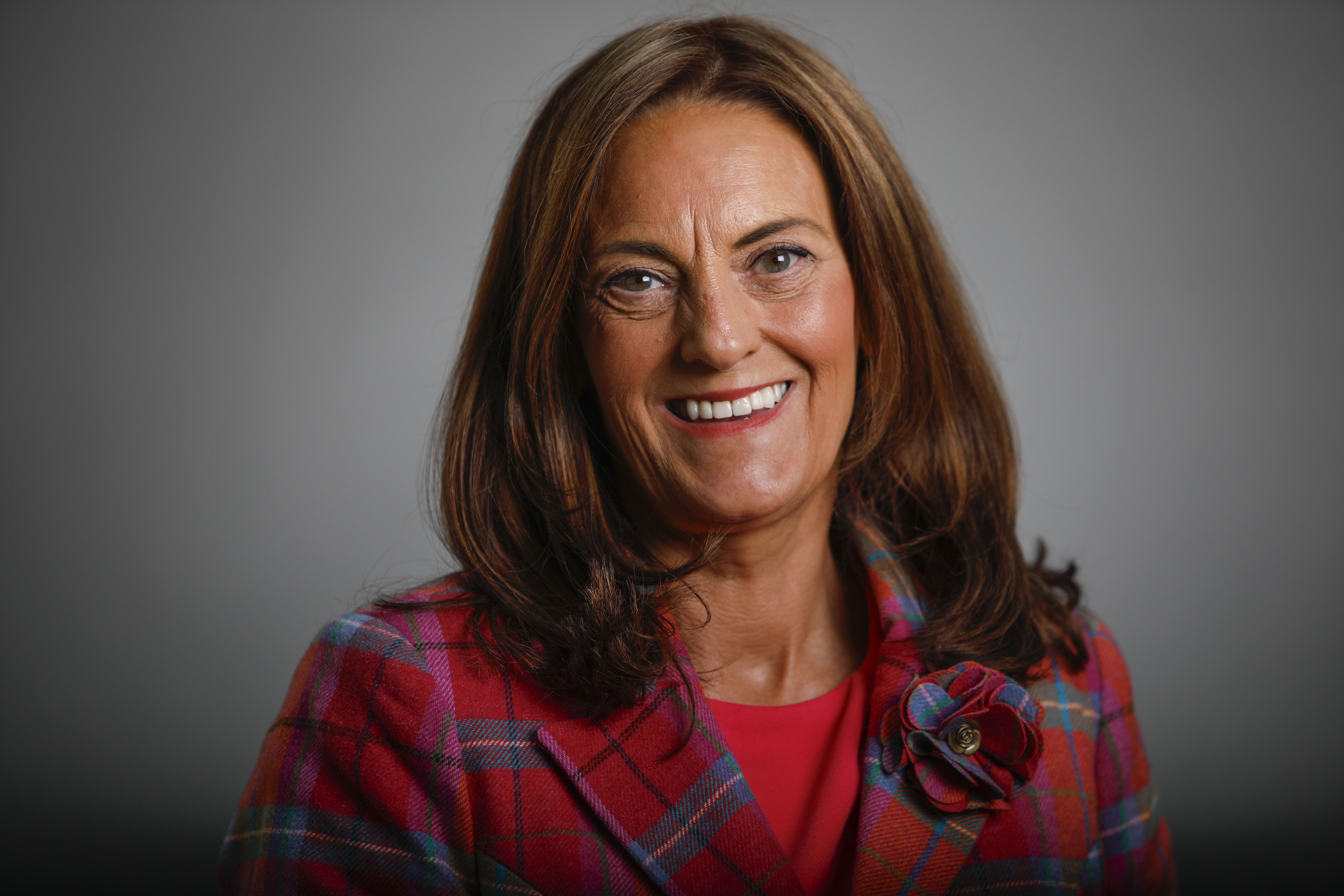
I am happy to answer that.Everything that you said is absolutely spot on. We are of course very sad to hear of the derailments that took place in England during one of the most recent heatwaves. We also had our own heatwaves here. Although they were not as hot, they are still a relevant factor for us, as Scotland also gets warmer.However, I think that we are ahead of the curve on climate change in Scotland compared to the rest of the network. We have started to see the impact of climate change on our railway for a longer period of time, most obviously, and most tragically, at Carmont in back in 2020.We have started to invest heavily in preparing our network in anticipation of the impact that climate change will have on the railway. I have already mentioned on a couple of occasions that we are roughly halfway through control period 7, which is a five-year funding period. The total expenditure of operating, maintaining and renewing the railway throughout that period is roughly £4.2 billion. Half of that expenditure—about £2 billion—will be spent on renewing the network and replacing what is currently there. Of that £2 billion, around £400 million is dedicated to climate change resilience activity. There is a lot of investment going into stabilising our earthworks, improving drainage and improving the resilience of our structures. That investment is generally a result of—and in preparation for—inclement weather in Scotland, particularly high levels of precipitation and rainfall.We are also investing £100 million—a significant increase on the previous funding period—in the removal of vegetation from the line side, because vegetation can have an impact during storms, for example by creating hazards for trains when trees come down. We are making good progress on all those activities.We are also reducing the number of railway sites that are susceptible to flooding, and we are stabilising our embankments. If you travel about on trains, you will see some of the innovative things that we are doing, such as the little vertical poles that pop up along the line side, which are earthworks monitors that will tell our control centre whenever anything starts to shift, particularly during inclement weather.Scotland is also the only part of Britain to have a dedicated weather operations delivery centre for the railway. There are meteorologists and weather and rail experts working together 24/7 to monitor in real time when weather patterns start to shift and to decide how we respond to that and what operational things we need to put in place to mitigate the impact.Although a huge amount of work is already ongoing, climate change marches on very quickly, and we will face more challenges. We are now commencing discussions on the next funding period, which will, confusingly, be known as funding period 1 rather than control period 8—do not get me started on that. When we go into those discussions, we will make the case for continued, ongoing and greater investment in climate change resilience. We will need to reflect on the heat that was experienced this summer, particularly south of the border, and whether that will require us to invest more in managing heat, which is not something that we have traditionally needed to manage in the same way as do our colleagues south of the border.
 link