 link
To ask the Scottish Government what action it is taking to protect and strengthen schools in rural areas. (S6O-05636)
Official Report · Chamber
Portfolio Question Time
link
To ask the Scottish Government what action it is taking to protect and strengthen schools in rural areas. (S6O-05636)
The Scottish Government is committed to protecting and strengthening rural education. That is reflected in the enhanced statutory protections applying to rural schools that are contained in the Schools (Consultation) (Scotland) Act 2010, which include, for example, the presumption against closure.
In addition, we are encouraging probationary teachers to take up placements in rural schools through the preference waiver payment, which offers £6,000 for primary, and £8,000 for secondary, probationary teachers in exchange for flexibility in placement location. Teachers in rural areas can also be eligible for the remote schools allowance and the distant islands allowance.
link
Given that Scottish Government-funded population research shows that the loss of even a single essential service, such as a school or a nursery, can trigger a domino effect on housing demand, transport viability and wider community cohesion, and given that six nurseries in my constituency, including those in Drummore, Creetown and Kirkcowan, face temporary closure by Dumfries and Galloway Council, without any consultation, what action will the Scottish Government take to ensure that local authorities cannot make isolated decisions on school or nursery closures—whether temporary or permanent—without assessing their cumulative impact on rural population sustainability? Furthermore, what assurances can the minister provide that the specific decisions to which I referred will not accelerate rural depopulation? Will the Government consider requiring councils to publish full depopulation impact assessments before progressing any statutory consultation or closure proposals?
The member raises important points, and what he has said is very concerning. The Scottish Government committed to reviewing the guidance on temporary closures for schools and council-run early learning and childcare settings—a practice that was previously referred to as mothballing. That review has now taken place, and the updated guidance provides clear advice for local authorities on when temporary closure is appropriate and how decisions should be made. It strengthens expectations around transparency, early engagement with parents and communities, and consideration of educational benefit and community impact. It is very concerning to hear that that has not taken place, and I ask the member to write to ministers with further detail on the situation so that we can explore it further.
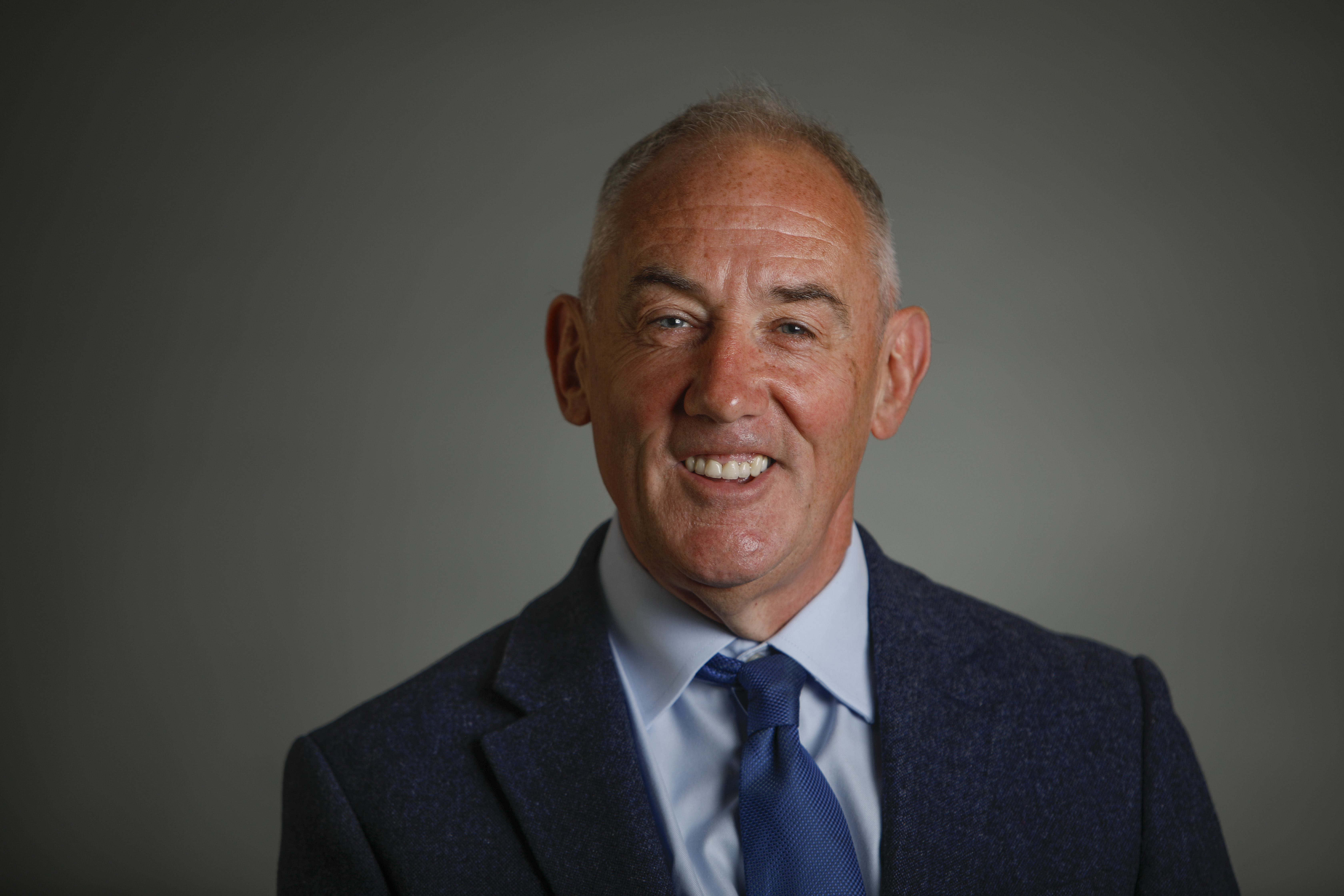 link
I, too, have rural schools in my area. Over the past decade, the Scottish Government has increased spending on Scotland’s schools by more than £1 billion in real terms to support our pupils and teachers. Will the minister outline how the Scottish budget—which, of course, Finlay Carson did not vote for—supports the attainment of children and young people across Scotland, including in rural schools?
The 2026-27 budget, which provides more than £3.5 billion to support education and skills, includes up to £200 million of investment, through the Scottish attainment challenge programme, for closing the poverty-related attainment gap. In December, the latest data showed that attainment levels in literacy and numeracy across primary and secondary schools were at a record high.
In addition, the budget will further expand the provision of free breakfast clubs and free school meals to reduce the poverty-related attainment gap, will continue the provision of extra funding for pupils with additional support needs and will provide £186.5 million of investment to protect teacher numbers in our schools.
The type of each item (debate, statement, questions, members’ business and so on) and the times shown are worked out by this site from headings, the chair’s opening words and the Official Report’s running timestamps. They are not the Parliament’s own classification. Text: the Scottish Parliament Official Report.