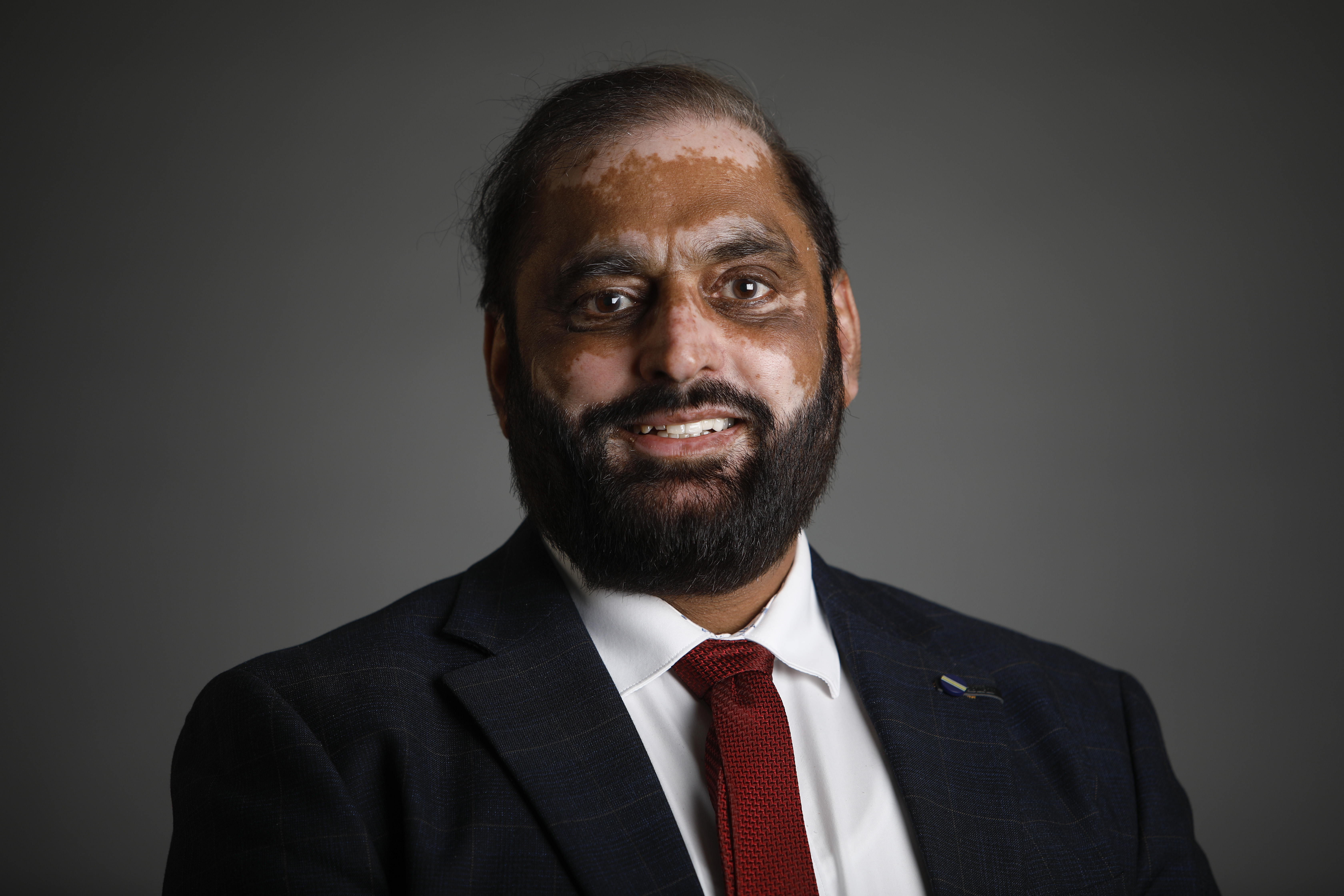
To ask the Scottish Government what action it is taking to ensure that national health service boards take account of planned housing growth when assessing future demand for general practitioner, dental and other primary care services. (S7O-00079)
Angela ConstanceSNPThe Cabinet Secretary for Health and Care · Almond Valley
Integration authorities, which include representatives of NHS boards and local authorities, are responsible for the strategic planning and investment in the delivery of integrated adult health and social care services in their areas. Therefore, integration authorities and not ministers are responsible for how they take account of planned housing growth when assessing future demand for general practice, dental and other primary care services.
In growing communities such as Monifieth, the issue is often not the approval for the houses but the lag before the health services adjust to the new population. I appreciate what the cabinet secretary said, but will the Scottish Government look at how the data on housing consents could be used more consistently by NHS boards to identify which practices are more likely to come under pressure in relation to GPs, dental services and community health teams?
Public Health Scotland is currently working on revised guidance and an associated data set to support integration authorities and partners to improve population needs assessment to plan service provision. However, as I stated, it is for integration authorities, using their knowledge of their areas and circumstances, to take account of how data on housing consents can be used more consistently to identify which primary care and community health teams are likely to come under pressure.
Furthermore, under the Town and Country Planning (Scotland) Act 1997, local development plans must take account of the health needs of the population of the district and the likely effects that the use of land for development will have, and there are underpinning regulations that state that health boards have a duty to co-operate on the preparation of such plans.
It has been estimated that, over the past 10 years, NHS Lothian has lost out on more than £200 million of public funding under the Scottish Government’s NHS Scotland resource allocation committee funding formula. Given that the area has the fastest-growing population in the country, that is totally unsustainable. Is the cabinet secretary willing to chair a cross-party meeting to discuss how the situation can be addressed during this session of Parliament?
I am happy to discuss the matter further with Mr Briggs. I believe that we have a meeting arranged in the not-too-distant future. I am aware that a number of factors underpin NRAC funding, just as I am aware of the population growth across the Lothians region, not least in my constituency.
Careful consideration must be given to the fact that any changes would not necessarily have the impact that Mr Briggs desires. There is an underlying complexity when it comes to NRAC funding, but I am happy to discuss the matter further with him.
Thousands of houses will be built in Edinburgh and the Lothians over the next decade, which will add to the pressure on health services. Will the Scottish Government listen to doctors and patients and change planning law to require property developers to help to fund and build GP surgeries as part of large developments?
As I said in my answer to Lloyd Melville, health boards and local authorities have clear responsibilities with regard to planning. However, I will look at the detail of and give further consideration to Mr Ahmed’s specific ask.
The type of each item (debate, statement, questions, members’ business and so on) and the times shown are worked out by this site from headings, the chair’s opening words and the Official Report’s running timestamps. They are not the Parliament’s own classification. Text: the Scottish Parliament Official Report.
 link