 link
To ask the Scottish Government what progress has been made towards delivering a fully operational 24/7 thrombectomy service with national coverage, including how the service will reach rural Scotland. (S7O-00078)
Official Report · Chamber
Portfolio Question Time
This is the draft Official Report. The final version may differ.
link
To ask the Scottish Government what progress has been made towards delivering a fully operational 24/7 thrombectomy service with national coverage, including how the service will reach rural Scotland. (S7O-00078)

We want people to be able to access thrombectomy treatment across Scotland, no matter where they live. That is why, in our election manifesto, we committed to providing a further £25 million, on top of the more than £51 million that we have already invested, to deliver a 24/7 thrombectomy service with national coverage. We have now commissioned Public Services Delivery Scotland to work with national health service boards to develop detailed resource and cost modelling for a 24/7 thrombectomy service.
link
Each year, more than 11,000 people have a stroke, yet only 2 per cent of them receive a thrombectomy—the very treatment that could prevent lifelong disability. Right now, there is a clear and unacceptable inequality across the service, and my constituents in Galloway and West Dumfries are paying the price. They have no direct access and must rely on transfer to Glasgow, where, in reality, the service is restricted to weekdays for access to referrals, the last procedure is at around 5 pm and there is no service at all on Sundays. The consequence is stark: if someone in Galloway has a stroke in the early evening, they are in effect denied that life-changing treatment. Outcomes for my constituents are being determined not by clinical need but by geography and the clock. That cannot be justified. What will the minister do, and when will she do it, to end that inequality?
link
We have already provided funding for thrombectomy nurses in spoke sites to maximise the access to thrombectomy. NHS Dumfries and Galloway received £115,936 in 2025-26. Evidence from stroke services suggests that those hyperacute stroke nursing roles are already having a positive impact on the delivery of acute and hyperacute stroke care. We have funded an education package to help staff in general practices, emergency departments and the Scottish Ambulance Service to recognise stroke symptoms. In 2025, more than 1,600 NHS staff attended those education sessions. We are also procuring a national artificial intelligence solution for NHS Scotland to help all NHS boards to identify rapidly those patients who would benefit from thrombectomy.
As I said in my earlier answer, we are still committed to having a 24/7 thrombectomy service and Public Services Delivery Scotland is working with NHS boards to establish fully the resource that is required to deliver that. Once that has been established, we will work at pace to develop a delivery plan with timescales for service expansion.
 link
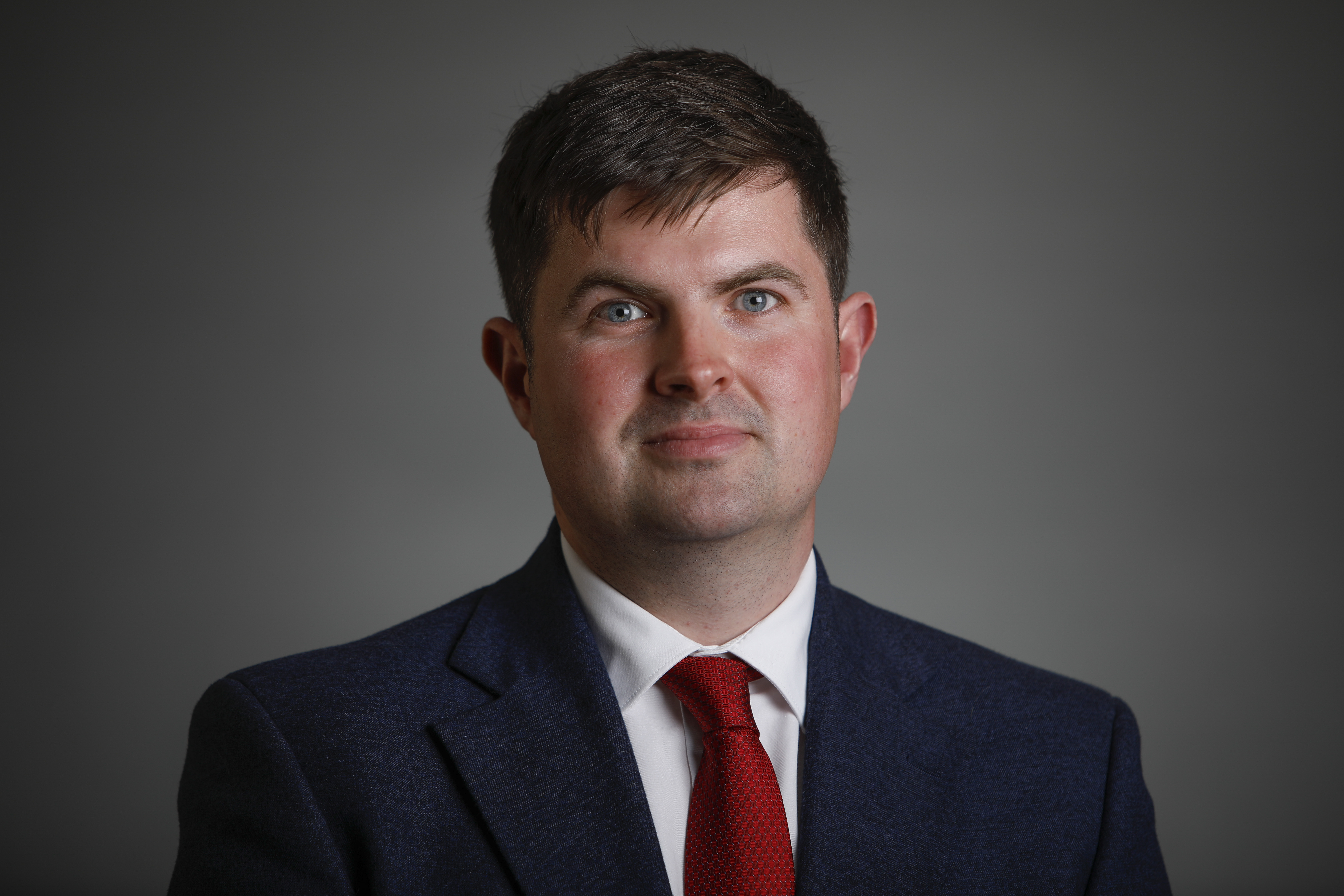
In my constituency of Na h-Eileanan an Iar, patients must travel to the mainland to access thrombectomy services. The procedure is time sensitive, so early intervention is critical. However, weather, the availability of aircraft and other factors can influence how quickly patients can be transferred to mainland hospitals. Does the minister agree that the distances that are involved and the uncontrollable factors for island patients heighten risk and make it even more important that services are available 24/7?
link
I recognise the issues that Donald MacKinnon describes, not least because I, too, represent the area that he represents and I come from a rural part of the Highlands.
We are working hard to improve the identification of those patients who would benefit from thrombectomy. The issue then becomes about how we quickly transfer them to areas where the thrombectomy service is available. Thirdly, we must make sure that that service is available 24 hours a day, seven days a week. We are working on all those issues to maximise the opportunities for that transformative care to happen all over Scotland.
The type of each item (debate, statement, questions, members’ business and so on) and the times shown are worked out by this site from headings, the chair’s opening words and the Official Report’s running timestamps. They are not the Parliament’s own classification. Text: the Scottish Parliament Official Report.