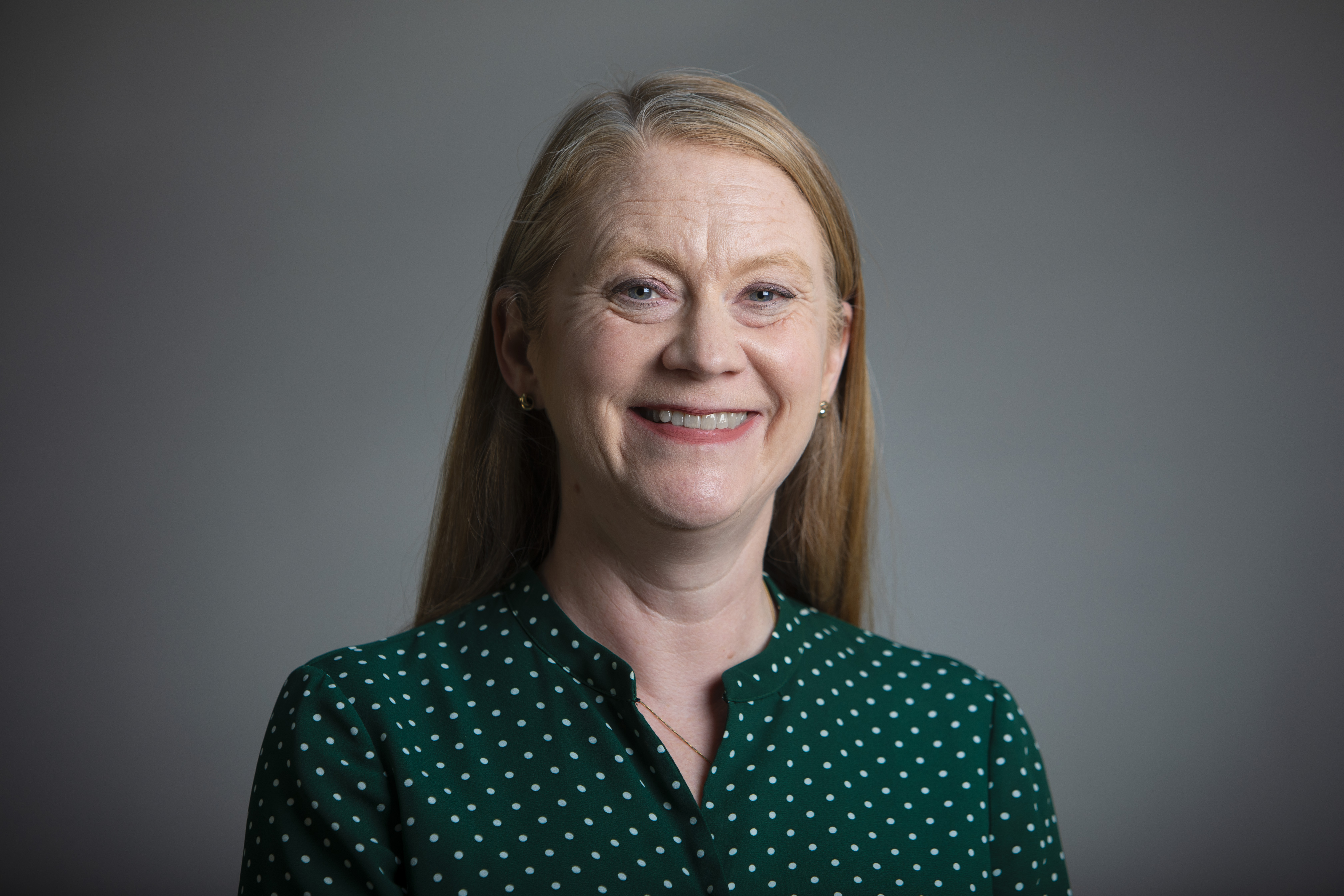
As this is my first contribution, I begin by expressing my sincere gratitude to the people of Edinburgh South Western for placing their trust in me to represent them. It is a profound honour and privilege. For those colleagues who are unfamiliar with the Edinburgh South Western constituency, it is defined by both its stunning natural landscape and its strong sense of community. On the approach to Edinburgh, the majestic Pentland Hills rise on the horizon, marking the beginning of the Water of Leith, which winds its way through our capital. However, not only the beauty of the landscape but the people who call it home make my constituency incredibly special. Across our communities, there is a spirit of kindness and resilience that I am proud to represent today.
I would also like to pay tribute to my predecessor, the formidable Gordon MacDonald. When I first met Gordon, I was struck by his determination and steadfastness. However, through working alongside him, I came to know the kindness, generosity and genuine care that sit behind that determined exterior. Over time, he has become not only a colleague but a friend, a mentor and a source of wise counsel. For his guidance, support and encouragement I will always be grateful.
After 15 years of service, Gordon chose to stand down at the last election and retire—although, knowing Gordon, “retirement” may not be quite the right word. He has already spoken enthusiastically about the number of charities he will be volunteering for, so it is with great pleasure that I make my first speech on strengthening the third sector, as it is something that both Gordon and I are passionate about. It is also the first debate that is in my portfolio and that of the social justice secretary.
I thank all the members who have contributed to the debate. There was a lot of consensus and genuinely good debate in this room. Of course, the debate took an unfortunate turn in some of the contributions that chose to demonise some charities. However, I will move on to cover some of the points that I found really valuable.
As an ex-councillor, I recognise some of the challenges that Julie MacDougall highlighted, so I thank her for doing that. I reassure Carol Mochan that I truly believe in what she said about grass-roots communities and organisations and I look forward to working with her in that space to see what we can do and what we can do better. Holly Bruce thanked the workforce in our charity sector, and I absolutely believe in them as well. On her point about public sector reform, I note that reform does not simply mean cuts; it means having a prevention agenda at the core of our approach.
One theme that came across quite clearly is the message that the third sector is a fundamental part of how we deliver support, tackle inequality and strengthen communities throughout our country.
In my own portfolio, the third sector’s contribution is clear and we have committed to a significant multiyear settlement for key disabled people’s organisations, recognising their central role in achieving disability equality. This represents an important first step, and we will keep the approach under review as part of our wider work with the third sector.
Multiyear funding provides the stability that is needed to plan for the longer term, invest in staff, develop services and build relationships that drive lasting change. With greater certainty, organisations can move beyond maintaining services to improving and expanding them, reaching more people and delivering better outcomes across Scotland. It also enables more meaningful co‑production, ensuring that organisations can consistently shape policy and services, embedding the principle of “nothing about us without us”. Ultimately, multiyear funding strengthens organisations’ ability to deliver a sustained long‑term impact.
Furthermore, community-level impact is being strengthened through the improving access fund, through which 33 organisations across more than 30 local authority areas have been awarded £1.5 million to improve access to essential services, support independent living and enable disabled people to participate fully in society.
Despite ongoing budget challenges, we remain firmly committed to a fairer, more inclusive Scotland and to advancing equality and tackling discrimination across a wide range of priorities. I am new to this chamber, so perhaps this is my naive optimism, but we all spoke passionately about multiyear funding and, whatever political party we represent, we all have representation at Westminster, so I genuinely ask members to appeal to their colleagues at Westminster to provide Scotland with that multiyear funding so that we can provide it to our charities.
I also want to recognise the vital role of volunteers in our society. Earlier this month, during volunteers week, I visited Maslow’s community hub in Govan—an incredible hub that offers classes, workshops and one-to-one support. I heard at first hand about its work in supporting people who face barriers to volunteering, including those from ethnic minority communities, those experiencing intersectional barriers and those with lived experience of the asylum process. I saw how volunteering fosters community cohesion and reduces social isolation while growing the volunteer base.
I thank Alex Kerr for the invitation to come to his constituency to see the fantastic work that he mentioned. If my diary allows, I would love to take him up on that offer.
The hub that I mentioned is just one of many examples across Scotland that show the wider impact of volunteering. Volunteering contributes an estimated £5.3 billion each year, but its value goes beyond that. Volunteering tackles loneliness, improves wellbeing, builds confidence and opens pathways into employment. Quite simply, volunteers are at the heart of our communities and our third sector.
However, we must be honest about the challenges ahead. We know that the current system is not sustainable and, if we are to secure the essential support and services that the third sector provides, we must take meaningful action together. It is in that context that the development of a new third sector partnership agreement represents a critical and necessary next step. The agreement will lay the foundations for a stronger and more sustainable sector. It will be co-designed with the sector, not imposed on it, and it will recognise the third sector as a true partner in shaping and delivering solutions for the people and communities of Scotland. The themes that it identifies are developing a strategic partnership of equals, supporting a strong and independent sector, improving financial sustainability and ensuring accountability at all levels. It is a real opportunity for the Scottish Government to demonstrate that we have listened and that we are committed to meaningful, lasting change.
As we take that work forward, I want to be clear about our commitment. We will work alongside the sector in genuine collaboration, listening carefully to the voices, experience and expertise across the sector in order to deliver a meaningful partnership agreement that reflects our shared ambition. We truly cannot achieve that alone, and we must formalise our relationship. I go back to what Morven-May MacCallum said about understanding the strength of our third sector—that is something that I truly believe in, and I look forward to working with the sector on that aspect.
By working collaboratively, we can ensure that the third sector partnership agreement is not just a statement of intent but a lasting agreement that supports a stable and sustainable sector and delivers real change for the people and communities of Scotland.
 link