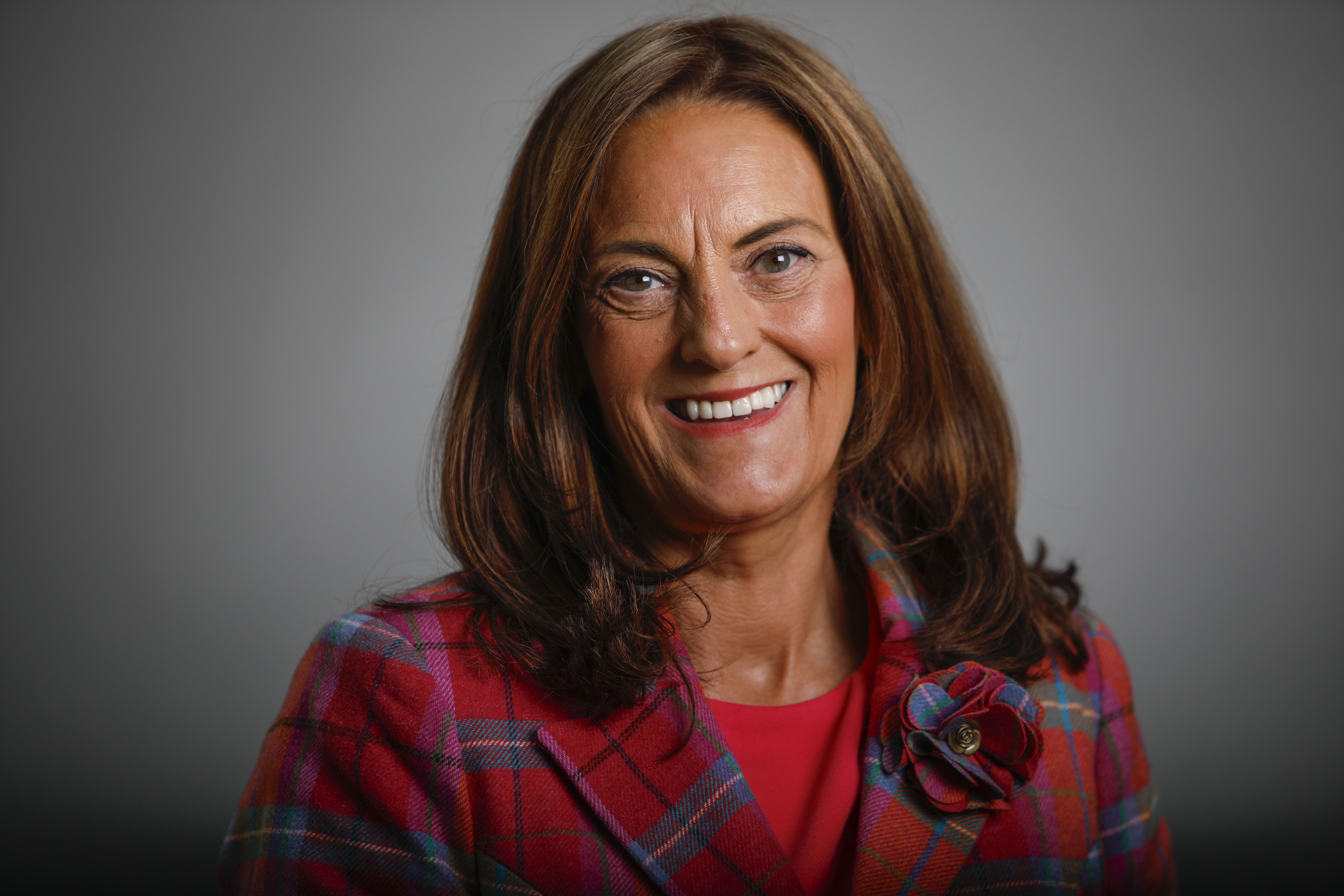
I welcome the opportunity to open this important debate on behalf of the Scottish Conservatives. As a councillor in North Lanarkshire and an MSP for the Central Scotland region, I have championed the implementation of the Promise since its introduction in 2020, as it set out plans to radically reform how young people are cared for in Scotland. The Scottish Conservatives support the recommendations in the reports that have been launched, and we want the Promise that the First Minister made to Scotland’s children to be delivered in full. Nicola Sturgeon described the Promise as
“one of the most important moments”—[Official Report, 5 February 2020; c 31.]
in her time as First Minister. She said that, through her Scottish Government’s commitments, it would be able to achieve and implement the recommendations within a decade.
I remember attending an event in North Lanarkshire Council shortly after I was elected as a councillor—I refer members to my entry in the register of interests in that regard. The event was organised and led by care-experienced young people who illustrated the hardships that can be experienced but also voiced their hopes for this flagship policy.
However, in February, the organisation that is leading the major revamp of Scotland’s care admitted that many lives might have got worse since it was launched. Fiona McFarlane, head of oversight for The Promise Scotland, warned:
“For so many care-experienced children, young people and care-experienced adults, their lives won’t have improved over the last two years and things will have been really ... hard and may even have got worse.”
She added:
“That’s heartbreaking and shameful, and it shouldn’t be the case.
Her words were backed up by the First Minister, who has admitted that progress has stalled, citing Covid as one of the main reasons for that.
Charities such as Who Cares? Scotland saw a huge rise in the number of people seeking support during the pandemic. The helpline that Who Cares? Scotland runs has taken about 500 calls from young people, most of whom had never used the service before. That will only add to the challenge of delivering the Promise, and it highlights how the pandemic has detrimentally impacted our young people and their mental health.
Although MSPs across the chamber understand that Covid has had an impact on delivery in some areas, it is concerning to note that organisations, charities and those who have experienced the care system have criticised the lack of overall progress. When she was interviewed by STV News, Megan Moffatt, who is care experienced, said that the Promise recommendations were not being seen “on the ground” and that
“a whole generation of teenagers who are aging out of care ... have left care and are now struggling alone in a real time of crisis.”
A North Ayrshire councillor has also criticised the implementation of the Promise so far, branding it “a government quango”. He argues that councils do not receive enough funding to implement the recommendations of this vital policy, and that that will ultimately lead to care-experienced young people not receiving the level of care that they deserve. I know that I mention council funding quite frequently, but councils receive inadequate levels of funding to tackle the huge issues that they experience. Again, work in the area has been hindered because of the Government’s inability to fund local government fairly. To make the Promise a success, that needs to change now.
In addition, I would welcome reassurance from the minister that the creation of more layers of bureaucracy through boards will not remove powers from local government. It is important that local councils are responsible for implementing additional measures and policies in their local authority area, if that would be beneficial to care-experienced young people.
Concerns have not just been expressed about council funding and the role of local government. Long-term campaigner Jamie Kinlochan has raised concerns about a lack of progress, and his research has found that there has been no improvement in several key areas, including in the number of people who tragically die shortly after moving out of care. Through a freedom of information request, it was revealed that 24 young people died in 2020, compared with 21 young people the year before. From January 2014 to September 2021, a total of 111 children and young people have died. Those statistics are damning. One death is one death too many, and, as corporate parents, we should be ashamed and horrified by those statistics.
When responding to those tragic figures, Fiona Duncan admitted that the Promise had not been kept for those who died this year and last year. MSPs and councillors have a collective responsibility for care-experienced young people, and we must and can do better.
The prevention of more deaths is only one area that the Government must prioritise. Scottish Government statistics show that, in 2019-20, 43 per cent of the 7,198 young people who were recorded as being eligible for aftercare support were not receiving it—that equates to roughly 3,096 children. Lack of aftercare support affected 16-year-olds the most, with 53 per cent leaving care not receiving any support.
Care-experienced school leavers are also less likely to be in positive destinations nine months after leaving school. Figures for 2019-20 show that 75 per cent of school leavers who had been looked after within the previous year were in positive destinations. By comparison, 90 per cent of school leavers overall were in positive destinations. Those trends cannot continue. Care-experienced young people need the Government to show them that it can implement positive change throughout the care system.
As I said earlier, the Scottish Conservatives support the principles of the Promise, but the Scottish Government must be honest about the level of criticism that it has received from organisations regarding the lack of progress that is being made.
On the amendment that Scottish Labour has lodged, it is right that, when setting targets, the Scottish Government should take a realistic approach, which must be based on measurable outcomes for young people. For that reason, we will support Scottish Labour’s amendment, which would bring in an “annual reporting regime” for the Scottish Parliament and a funding plan. I believe that that would be welcomed by organisations and campaigners.
As the Promise is a commitment that was made by all political parties, the Scottish Conservatives will also support the Scottish Government’s motion, in the name of John Swinney. However, as I have stated, the Scottish Government must be honest about the lack of progress that it has made in implementing the Promise. Covid-19 has undoubtedly played a role in that, but it cannot and should not be used as an excuse for the stalling of this hugely important policy. Therefore, in return, I hope that the Scottish Government will consider voting for both the Conservative and Labour amendments, as that will continue to show cross-party commitment to improving the lives of care-experienced young people.
We can, and we must, do more for our care-experienced young people, and we on the Conservative side of the chamber will continue to hold the Government to account over the delivery of the Promise.
Finally, I add my thanks on behalf of the Scottish Conservatives to everyone who is involved in the care community, especially our young people, for their continued input to improve the sector in Scotland.
I move amendment S6M-03837.2, to insert at end
“; recognises concerns that not enough progress is being made, with stakeholders and campaigners claiming that little has changed in the first two years since its introduction; notes that organisations have witnessed a huge rise in the number of young people seeking support during the COVID-19 pandemic, and calls on the Scottish Government to listen to the concerns of local authorities, NHS boards, third party organisations and charities to ensure that The Promise is delivered in full.”
16:35
 link