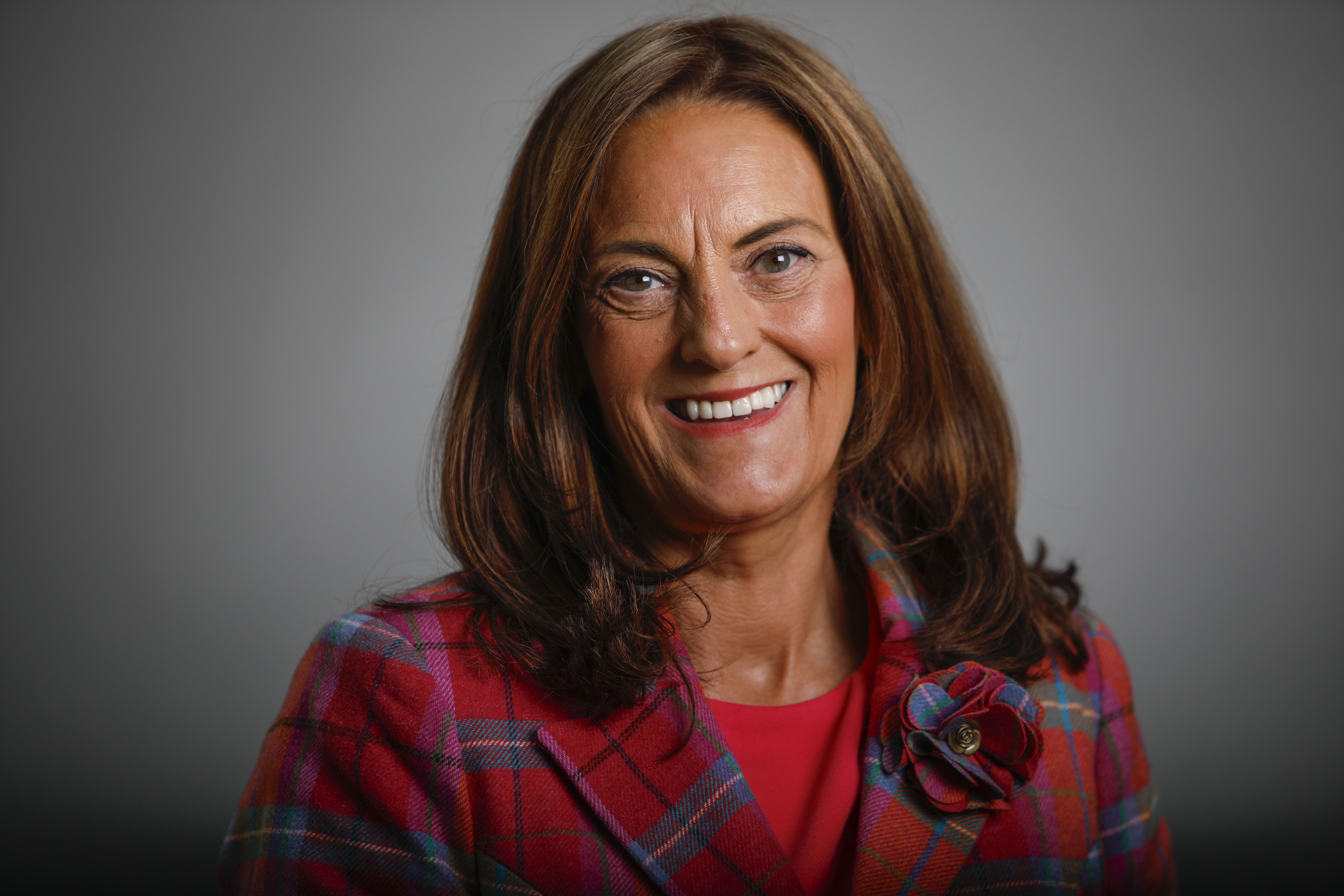
I thank all members who supported my motion on the WAVE Trust’s 70/30 campaign to end adverse childhood experiences by 2030.
Before I was elected, I was a children’s hearings panel member in Glasgow East, and I found the work enormously rewarding. At every hearing, we saw a child, or sometimes just the parents or guardians of a child, who needed help or an intervention. Often, we saw or considered the case of a child who had been caught in the system for years—caught in an endless cycle of supervision orders, neglect or offending behaviour. That child was typical of a youngster who had suffered a catalogue of adverse childhood experiences throughout their life.
Everyone who is in the chamber or who is listening to the debate will appreciate that ACEs and their often devastating consequences are now well known. They are no respecter of background. A young person from an affluent home can experience ACEs just as one from a less privileged home can. A well-off parent can neglect or abuse their child in the same way as a poorer parent. However, we do know that poverty is an overwhelmingly acute driver of ACEs and is the root cause of so many damaging issues for young people. Poverty can lead to hopelessness, parental addiction that often leads to neglect, the lack of a positive role model, a chaotic lifestyle and so much more.
Children do not need money to stay on the right path, but they do need attachment, stability and love to feel secure and happy. ACEs can lead to a lifetime of trouble, low expectations, dependency, poor health and insecurity.
The WAVE Trust is a United Kingdom and Ireland-wide network of individuals, organisations and elected representatives. Led by chief executive officer George Hosking and his team, it also acts as the secretariat of the cross-party group of which I am the convener. The WAVE Trust is dedicated and passionate about achieving the ambitious goal of a 70 per cent reduction in ACEs by 2030.
At least half of the children in the UK will suffer ACEs during their childhood. To achieve the campaign’s goal, it is essential that decision makers and those who hold the purse strings have the right policies and take the right actions. In 2015, Professor Sir Harry Burns, the former chief medical officer of Scotland, said:
“I do not view 70/30 as either wishful thinking or an unachievable goal. On the contrary, reducing child maltreatment by 70% in the next fifteen years is the minimum acceptable outcome in responding to this unacceptable (and profoundly costly) harm to our youngest children.”
The cross-party group that I convene is for the prevention and healing of ACEs, and the word “healing” in the title is particularly important. ACEs can be healed with early intervention, attachment, and a holistic approach. For example, instead of saying to a troubled child, “What is wrong with you?” we should say, “What happened to you?”
We know so much more about the cause and effect of ACEs today, largely because of a group of dedicated health professionals. One of those is research scientist Dr Suzanne Zeedyk, who is a passionate advocate of attachment in early years. Dr Zeedyk’s groundbreaking and on-going work has been pivotal to our understanding of ACEs and attachment.
I would also like to mention Pauline Scott, an amazing early years practitioner in my constituency; the late Tina Hendry; Julie Day; lawyers Melissa Rutherford and Ian Smith; and many more people who are adding to our understanding and contributing so much to eliminating ACEs, day in and day out.
I was proud to host an event in Parliament in, I think, 2018 to screen the groundbreaking film documentary “Resilience”, which features the work of pioneering Californian paediatrician Dr Nadine Burke Harris. I whole-heartedly recommend that everyone should watch that inspirational film. Dr Burke Harris examines the science around childhood adversity and toxic stress, revealing the physical changes that happen in the brain when traumatic events occur. She also reveals how we can disrupt the destructive cycle through interventions that retrain the brain and body, foster resilience and help children, families and adults to live healthier, happier lives.
Since I was elected in 2016, much progress has been made on ACEs, not least in public awareness. We are now working towards having a trauma-informed judiciary and trauma-informed law practices, educators and police. In fact, most public service practitioners now understand ACEs and how important being trauma informed is. Indeed, today sees the introduction of sentencing guidelines for young people that mean that trauma will now be formally considered by the judge, which is a huge step forward.
The Scottish Government is also committed to introducing a bairn’s hoose, which is based on the barnahus holistic care system for children in the justice system that has been so successful in Scandinavia. We doubled the child payment and introduced the baby box, the tackling child poverty delivery plan and the Scottish ACEs hub, which aims to encourage action in sectors across Scotland. Those measures are important because we must tackle one of the key drivers of ACEs—poverty—to fight the problem at its root cause.
We must take responsibility for that as legislators. In my motion, I state that 122 MSPs and 513 MPs have signed the WAVE Trust 70/30 campaign pledge. That is a great figure, but we need everyone to sign up. I urge members who have not done so to contact the WAVE Trust directly or email me to say that they want to sign. It is incumbent on all of us to reset the future for disadvantaged children and families to give them a chance of a happier, healthier life. I ask that we work together to bring that about. We have the power, so let us use it to create a fairer, more equal society in which no young person has to grow up blighted by ACEs.
I thank all members who are taking part in the debate and I look forward to everyone’s contribution.
17:21
 link