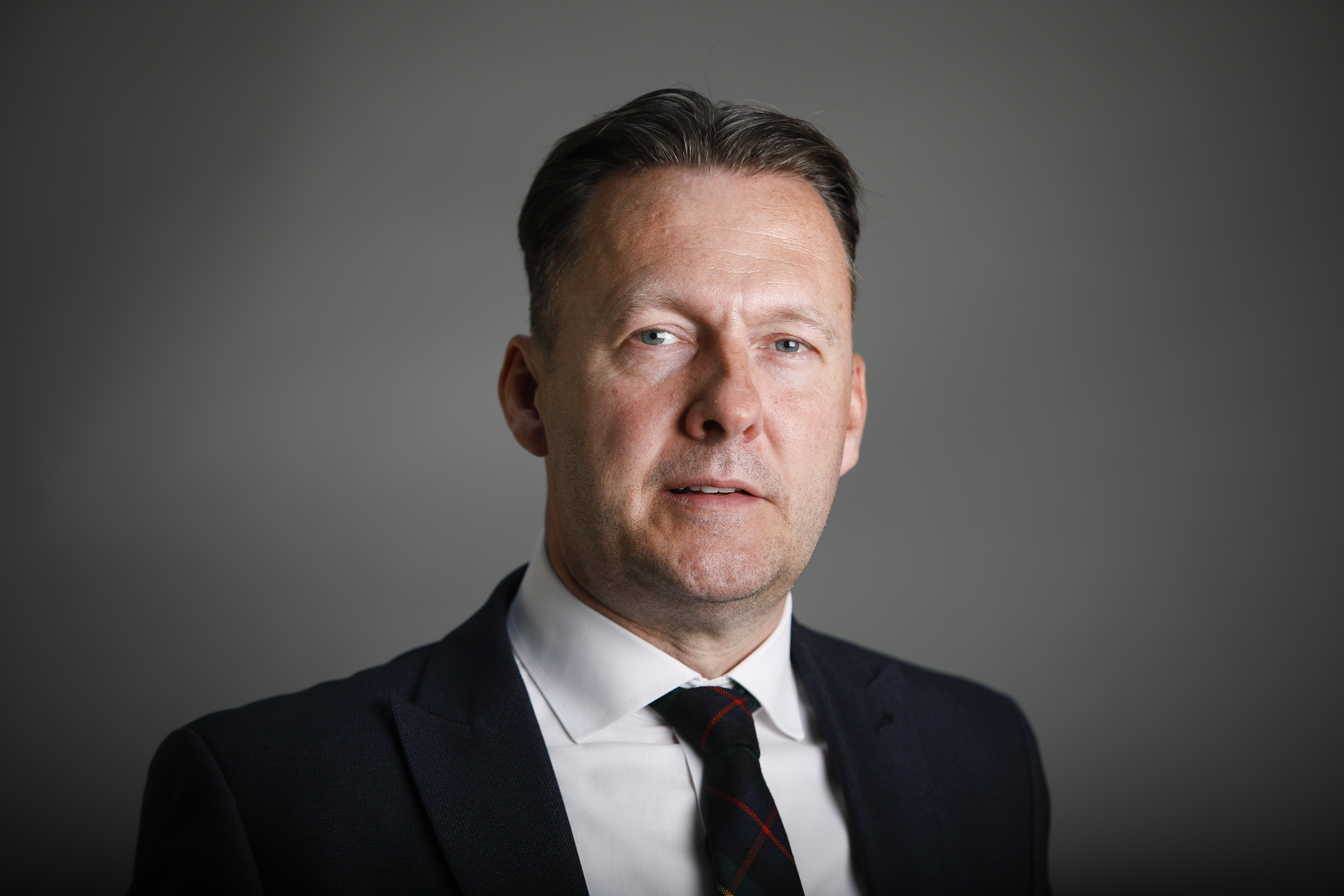
I recently met staff from and women supported by Women’s Aid East and Midlothian. I heard about the experiences of women who have fled from domestic abuse and I had the opportunity to understand the impact that the violence that they were subject to has had on them and their children. Those brave women had their lives turned upside down after finding the courage to escape their abusers. Thankfully, they were able to do so safely.
Recent figures show that, every three days in East Lothian, a woman suffers and reports domestic abuse—and that is only the cases that are reported. The women told me that, since leaving, they have faced challenges in finding a home to call their own, because services are not designed to support women who flee violence.
About 10 years ago, when I was a council leader, I took part in an event that was organised by Scottish Women’s Aid and White Ribbon Scotland. The exercise involved looking at what happens when a case is reported and how many people and organisations it impacts on. It started with a ball of string that represented the woman reporting domestic abuse, which was then passed to people from all the affected organisations. By the end, about 30 of us were standing up. That has stayed with me to this day.
Today’s debate pays homage to the 16 days of activism against gender-based violence, which is a time to galvanise action to prevent and end violence against women and girls around the world. I am aware that this is the third debate that we have had on the issue in the past 16 days, and I thank everybody who has contributed to these debates so far.
This year marks the 30th anniversary of the global 16 days campaign. This year, inspired by the original vision and history of the campaign, which focused on raising awareness about violence against women, the campaign will focus on the issue of femicide, or the gender-related killing of women. That theme feels especially pertinent this year, after the high-profile murder of Sarah Everard by Metropolitan Police officer Wayne Couzens. Sadly, Sarah’s murder is not an isolated incident. Since the beginning of 2021, there have been at least 122 cases in the United Kingdom in which a woman has been killed by a man or a man is the principal suspect.
In that period, I have done a lot of reflecting on my role as a man in preventing acts of violence of any kind against women. Last month, Police Scotland launched the incredibly important “Don’t be that guy” campaign, which calls on men to consider their potential responsibility for violence against women. The campaign is explicit and the information on it states:
“Men: we can make a real difference by taking a hard look at our attitudes and behaviour, at home, at work and socialising with our mates.”
As men, we need to stop contributing to a culture that targets, minimises, demeans and brutalises women. We need to talk openly to our male friends and relatives about behaviour that is damaging to women and that puts men at risk of offending. We need to take women’s safety seriously—we cannot say that enough—and we need to do so not just when a woman is murdered but all year round. We must shift the way that we understand violence against women. It is not a women’s problem; it is our problem, and it always has been. To do that, we need to redefine violence in our minds.
I recently spoke in a debate about street harassment at the Scottish National Party conference, which was led by my colleague Sally Donald. Street harassment is an everyday occurrence for women and girls in Scotland. I ask the minister to say in his summing up whether he will meet Sally and me to discuss the issue in more detail.
Graham Goulden, formerly of the Scottish Violence Reduction Unit in Glasgow, has called on us men to define violence in a way that would help us individually to prevent it. In a blog for the “Don’t be that guy” campaign, he says:
“When I see the term violence, I look at it as more an attitude, a behaviour, rather than a physical act. When we do this, we can start to address behaviours and attitudes that can, if unchallenged, lead to other acts of violence like murder, sexual assault, and rape. ... When we don’t focus on these behaviours, when we remain silent about what we see and hear, we give permission for abuse and violence to take place.”
Graham could not be more correct.
Violence against women is both a cause and consequence of gender inequality in our society. Gender stereotypes are enforced from an early age, rape culture and harmful behaviours are normalised, and survivors are blamed for their abusers’ actions.
We place responsibility on women to be careful, not to walk home alone—I have heard the comment that they should wear flat shoes—to watch their drink on a night out and to cover up, instead of teaching men not to rape, spike and harm women.
That approach has never been acceptable. I want to see a Scotland where women and girls thrive as equal citizens—socially, culturally, economically and politically. I want to live in a Scottish society where women and girls are safe, respected and equal in our communities, where women and men have equal access to power and resources, and where positive gender roles are promoted.
We need to embed gender competency into our policy making and embed gender-based budgeting into everything that we do. Scotland’s equally safe strategy is taking strides towards achieving that goal, but we all have our own role in turning the vision into reality.
It is the responsibility of us all—especially men—to change the culture that we live in that trivialises and condones violence against women and girls. I have a challenge for every male MSP. This time next year, we all need to be able to stand here, put our hand on our heart and say that we have played our part in speaking out against male violence against women—not just today or in the 16 days of the campaign, but every single day.
I am in the process of organising a round-table event for all male MSPs with organisations that are involved in the campaign to support women. I am also arranging a parliamentary reception with the same groups. I hope that the dates for those events will be before Easter.
To conclude the opening of this debate on the annual 16 days of activism, I pay tribute to the strength and resilience of survivors and to the organisations, such as Rape Crisis Scotland, Zero Tolerance, Scottish Women’s Aid and White Ribbon Scotland, that work day and night to support women who have experienced male violence. I want to remember all the women who have not made it this far—those who have lost their lives to male violence.
I end on a quote from the former secretary general of the United Nations, Ban Ki-moon:
“there is one universal truth, applicable to all countries, cultures and communities: violence against women is never acceptable, never excusable, never tolerable.”
 link