 link
To ask the Scottish Government what action it is taking to help families experiencing in-work poverty. (S5O-03828)
Official Report · Chamber
Portfolio Question Time Social Security and Older People
link
To ask the Scottish Government what action it is taking to help families experiencing in-work poverty. (S5O-03828)
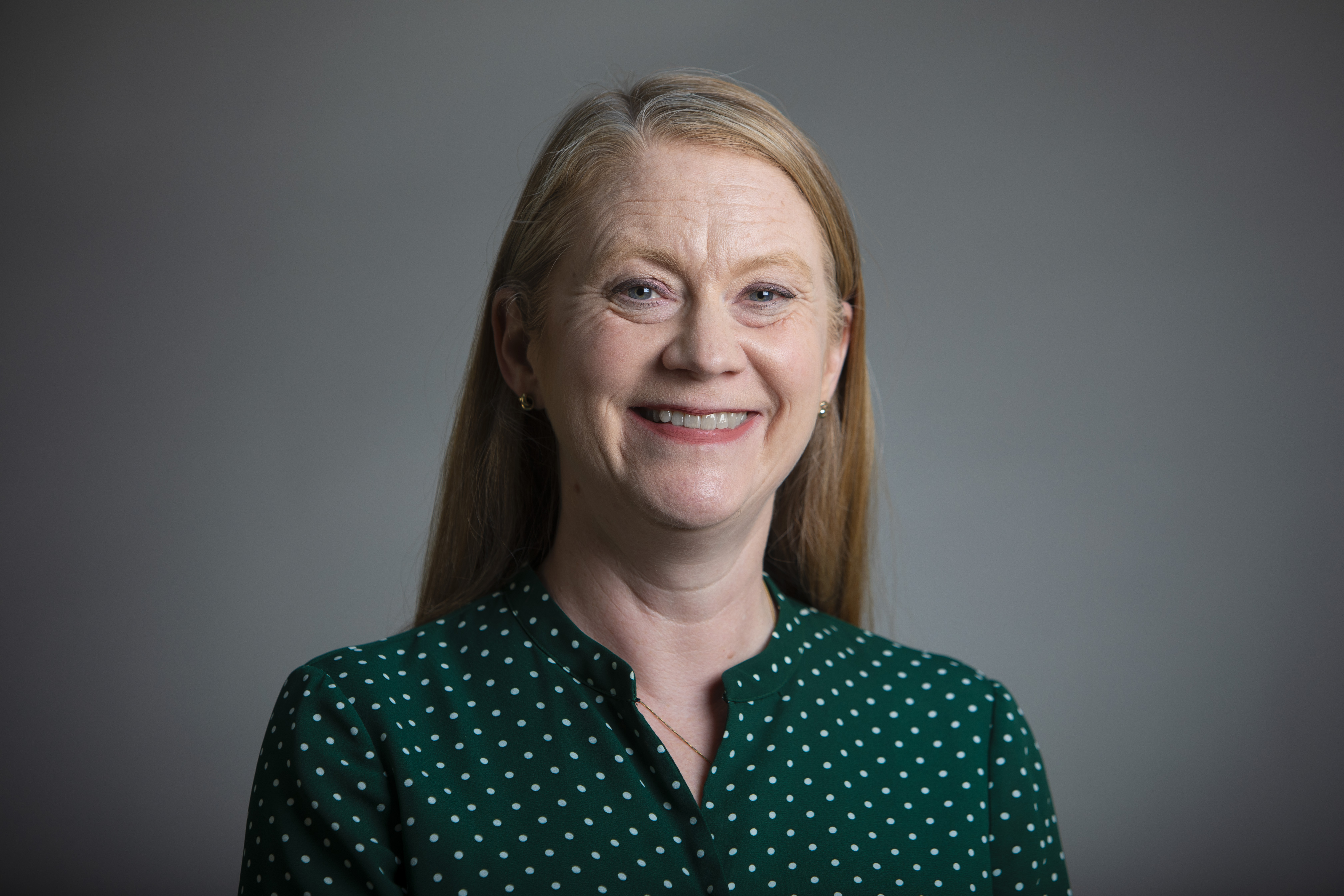
Our tackling child poverty delivery plan commits £22 million for new parental employment support, with a focus on helping parents in work to progress through their career and increase their earnings.
We are taking steps to promote fair work practices through our work to build a living wage nation, our revised business pledge and our commitment to fair work first. Alongside that, we have widened eligibility for devolved benefits to reach working families, we have committed to introducing the ambitious new Scottish child payment, which is worth £10 per child per week, and we are providing advice to help to maximise incomes through our money talk team.
link
One of the issues with the Scottish child payment is that families may need to keep reapplying for the benefit because of the chaotic fluctuations caused by universal credit, which I know are not this Government’s fault. Has the cabinet secretary looked at whether some work might be done to militate against the effect of those unintended fluctuations on families? For example, would she consider that a family’s eligibility for payment could last for six months or a year, so that they would not have to reapply each time there was a fluctuation? I think that she knows what I mean by that.
I absolutely take the point that Pauline McNeill raised. The Government is seriously looking at the issue to see what we can do. We are slightly limited in our powers, because of the way that the devolution of benefits works. The Scottish child payment is a top-up to a reserved benefit, so the person must be entitled to that reserved benefit to allow us to pay a top-up to it. However, I take her point that that uncertainty about universal credit from month to month is of great concern, and I do not want the implementation of the Scottish child payment to be impacted by that. We are determined to look at everything that we can do to ensure that it is not, and I am happy to keep Pauline McNeill updated on the issue, because I agree that we must deal with this matter as far as we can within the powers that we have.
How has the introduction of universal credit Scottish choices enabled low-income families to manage their money more effectively?
The Scottish Government is committed to using the limited powers that it has to try to make the delivery of universal credit better suited to the needs of those who claim it. Since October 2017, we have been giving people in Scotland the choice to receive their universal credit award either monthly or twice monthly and to have housing costs in their award paid directly to their landlord, in both the private and social rented sector.
More than 119,000 people have taken up one or two of those universal credit Scottish choices. Research by the Resolution Foundation tells us that the majority who made new claims for universal credit were paid either fortnightly or weekly in their previous jobs, which shows why, by introducing twice-monthly payments, we have been helping people on low incomes to better manage their finances. Meanwhile, in the rest of the United Kingdom, universal credit claimants have to wait one month for each payment.
Our decision to include a choice for direct payment of housing costs to landlords has helped to prevent and reduce rent arrears and eviction proceedings, thus helping us to safeguard tenancies where we can.
The type of each item (debate, statement, questions, members’ business and so on) and the times shown are worked out by this site from headings, the chair’s opening words and the Official Report’s running timestamps. They are not the Parliament’s own classification. Text: the Scottish Parliament Official Report.