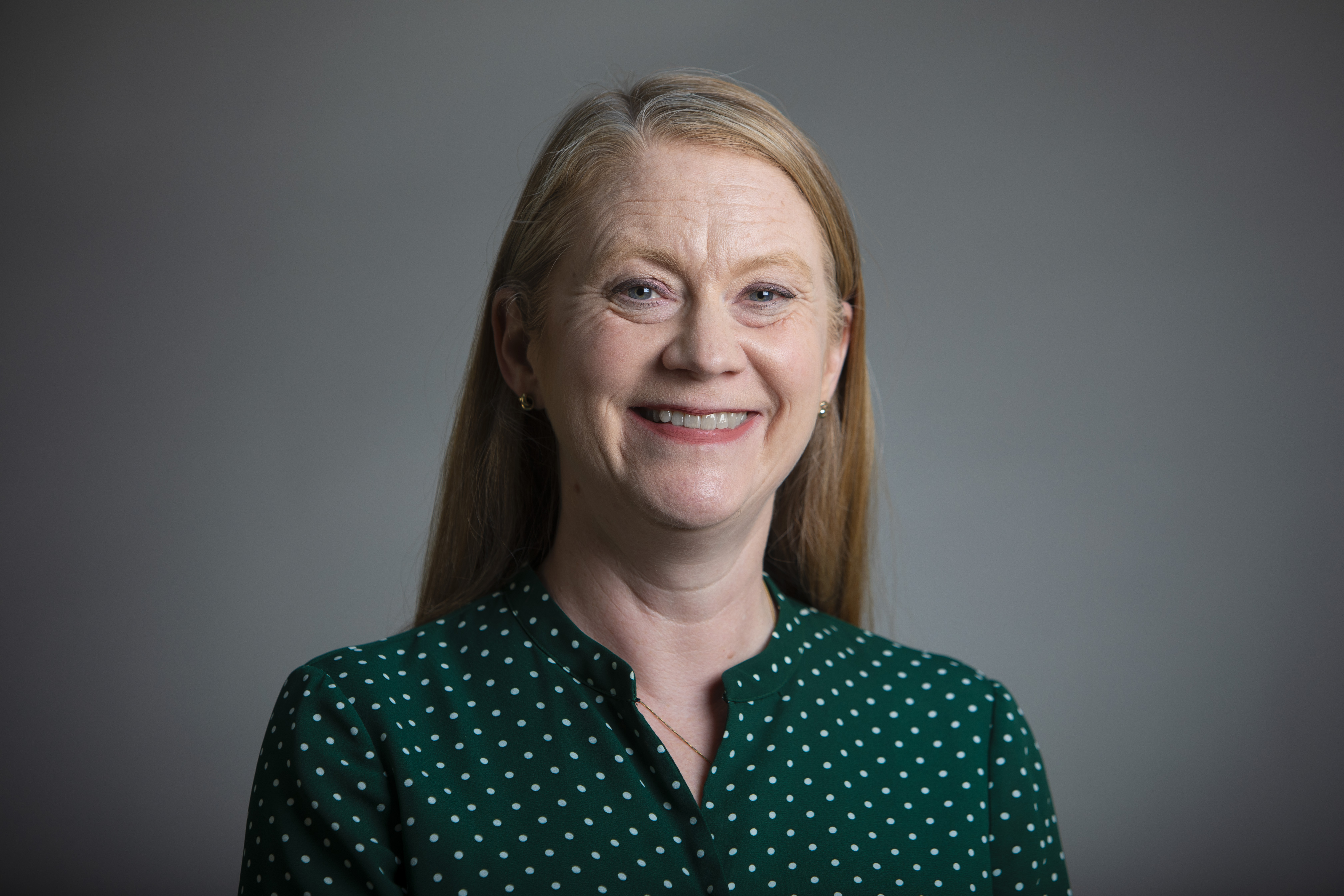
To ask the Scottish Government, in light of the 2016 Scottish National Party manifesto commitment, whether it will legislate in the current parliamentary session to bring gender recognition law up to international best practice. (S5O-03191)
Shirley-Anne SomervilleSNPThe Cabinet Secretary for Social Security and Older People · Dunfermline
The Government is strongly committed to maintaining and, indeed, advancing trans rights and equality. Like all the parties in the Parliament, we want to reform the gender recognition law. Our 2018-19 programme for government reaffirmed that commitment to legislation on gender recognition.
The majority of the 15,500 responses to the Scottish Government’s consultation on gender recognition supported the proposals. However, we recognise that some respondents expressed sincerely held concerns about reform. We will take account of those concerns as we reach our decisions on the next steps, and we will announce our response to the consultation in due course.
I am glad that the cabinet secretary reminded members that all five political parties in the Parliament stood on manifesto commitments to continue to advance that legislation. In the Equality Network’s hustings in advance of the 2016 election, every political party leader gave a clear personal commitment to see that legislation introduced. Does the cabinet secretary recognise that a much more coherent campaign against trans rights and equality has developed with the delay since the consultation, which has included those who seek to portray trans people as a threat in a way that is reminiscent of previous campaigns against lesbian, gay and bisexual equality? Does she recognise that there is impatience to see the legislation introduced? Can she give us a timetable?
Shirley-Anne SomervilleSNPThe Cabinet Secretary for Social Security and Older People · Dunfermline
I appreciate that stakeholder groups and individuals across Scotland are looking to the Parliament to ensure that there is change. There is an imperative on all of us to ensure that the debate is carried out in the right manner and with respect and that different opinions are recognised, and that that is done on the foundation of trans inclusivity and ensuring that trans rights are respected along with other rights in our community.
Trans people are not a threat; they never have been, and they never will be. However, it is important that we listen to people who have concerns, to ensure that we are doing everything that we can to reassure them and work through their concerns. That is why I will ensure that I go through a due diligence process of looking at the consultation responses, to understand the concerns that are out there and work with people to find solutions. That is what I ask of everybody in the chamber and beyond. If we are committed to ensuring that everyone in Scotland is respected and has a place in our society, we all have an obligation to come forward with solutions about how we do that in a respectful manner.
I remind Patrick Harvie that one of the groups that is most concerned about the proposals is lesbians. Nothing in the SNP 2016 manifesto said that males with male bodies, including male genitals, should be able to declare themselves female without any medical or psychological assessment or safeguarding.
Trans people are not a threat; it is men who are a threat because men commit 97 per cent of sexual crimes. What evidence does the Government have that males who self-declare as female no longer offend at male rates?
Shirley-Anne SomervilleSNPThe Cabinet Secretary for Social Security and Older People · Dunfermline
I welcome Joan McAlpine’s reaffirmation that trans people are not a threat. The important point that is picked up is that there is a perceived threat from men who will use the debate around trans rights. It is very important that we recognise that—I recognised it in a blog that I put out on the subject—and that we tackle that fear that women have of men and ensure that we deal with it. We must also ensure that we develop trans rights in a respectful manner.
The Government is absolutely determined to move forward with gender recognition laws, but it is important that we do so in the right manner. We must ensure that the process that we have at the moment changes and that we listen to people’s concerns around how we are trying to change it. We must also ensure that people recognise that the Government is proposing something that would involve a solemn declaration that would be made in front of a notary public, and that there would be serious consequences if it was ever broken.
It is important that we ensure that self-declaration is made in front of a notary public and that criminal offences will be available for someone to be charged if they abuse the system. If we can work to ensure that the process that we introduce recognises concerns, but also ensure that we are delivering a system of gender recognition that is fit for purpose in view of what is going on in the international community, we can move Scotland a long way forward on an issue that it is difficult for many of us to find a solution to.
The type of each item (debate, statement, questions, members’ business and so on) and the times shown are worked out by this site from headings, the chair’s opening words and the Official Report’s running timestamps. They are not the Parliament’s own classification. Text: the Scottish Parliament Official Report.
 link