To ask the Scottish Government what assessment it has made of the risks to Scotland’s economy of businesses leaving the country if there is no access to the European Union single market and a so-called hard Brexit strategy is pursued by the United Kingdom Government. (S5O-01009)
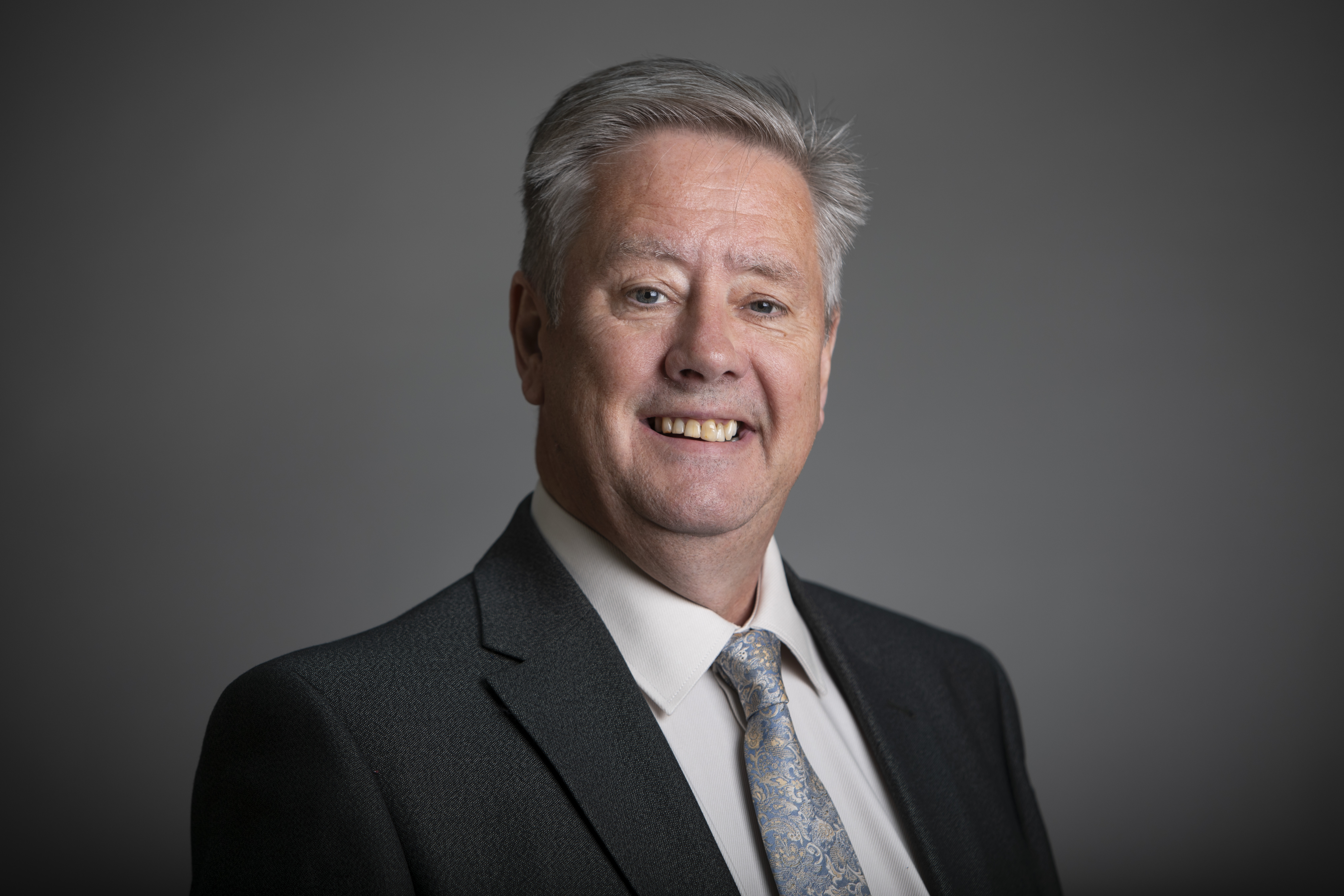
Keith BrownSNPThe Cabinet Secretary for Economy, Jobs and Fair Work · Clackmannanshire and Dunblane
There are around 1,000 EU-owned companies in Scotland and they employ over 127,000 people. Membership of the single market is vital in securing that investment. According to the Ernst & Young attractiveness survey, 79 per cent of inward investors into the UK list access to the EU single market as an important factor in their investment decision. A hard Brexit will reduce the openness of the economy and have a detrimental effect on Scotland’s attractiveness as a location for inward investment.
The cabinet secretary will be aware that in my role as parliamentary liaison officer for the economy, I take a keen interest in the economic impact of Brexit. It is generally accepted that a hard Brexit, with the UK leaving the EU single market, will act as an incentive to many businesses that are currently based in the UK and trade across the EU to move their operations to a location within the single market. What is the Scottish Government doing to encourage those businesses to locate here, rather than in another EU country?
Keith BrownSNPThe Cabinet Secretary for Economy, Jobs and Fair Work · Clackmannanshire and Dunblane
As I have mentioned, the latest figures from the EY attractiveness survey confirm that 2016 was a record-breaking year for foreign direct investment into Scotland. It is against that background that we have to judge these issues. We have already proposed a way in which Scotland could stay in the single market even if the UK comes out of the EU, but that has been rejected out of hand by the UK Government. More worrying are some recent suggestions that the UK Government is actually scenario planning for no deal at all, which would be disastrous for both the UK and Scottish economies.
The Scottish Government will continue to do all that it can to protect Scotland’s interests in Europe during the forthcoming negotiations and, of course, to promote Scotland as a destination of choice, despite the damage that is being done by the UK Government.
What assessment has the Scottish Government made of the risks to Scotland’s economy of businesses leaving the country if a hard border is created between Scotland and our biggest market, elsewhere in the United Kingdom—that hard border being, according to the Scottish Government’s own experts, a consequence of pursuing a differentiated deal with the EU from that applying elsewhere in the UK?
Keith BrownSNPThe Cabinet Secretary for Economy, Jobs and Fair Work · Clackmannanshire and Dunblane
We have no proposals, and see no reason, for there to be a hard border between Scotland and the rest of the UK. It surprises me that a Conservative Party that claims to be in favour of business wants to talk up the prospects of a hard border between Scotland and England—we have not suggested that. There has been no reference at all from the Conservatives, in questions or in debates on the economy, to the fact that we have just seen the UK trade deficit nearly double, from £2.6 billion to £4.9 billion; inflation is at 2.7 per cent; borrowing today is up to a three-year high; and there is a national debt of £1.8 trillion. That is the record of the Conservative Party in government. Why do they not talk a bit more about that in relation to damaging Scotland’s interests?
The Economy, Jobs and Fair Work Committee took quite a lot of evidence on Brexit and the number of Scottish companies that are very dependent on workers from the EU. Those included Angus Soft Fruits, those in the fish-processing sector and Walkers Shortbread. Does the cabinet secretary think that the UK Government understands how much our food and drink sector needs those workers?
Keith BrownSNPThe Cabinet Secretary for Economy, Jobs and Fair Work · Clackmannanshire and Dunblane
If it does understand, it shows no signs of it. John Mason is absolutely right about the critical importance of EU nationals, not least in the sectors that he mentioned. The hospitality sector is another very obvious sector, as well as the soft-fruit sector and financial services.
The issue that is raised with me most frequently by businesses across Scotland is the threat to there being internationally mobile people who can come to Scotland and help to improve our economy. That is a real threat that is not acknowledged nearly sufficiently by the UK Government—a threat from a hard Brexit and, even more, from no deal at all.
We will continue to provide what reassurance we can to EU nationals. I am aware from higher education institutes and others that people are leaving already—people who we would want to stay are leaving the economy already. That cannot be good for Scotland.
Once again, I urge the UK Government to make it clear that EU nationals in the UK will have the right to stay—an assurance that they should have been given immediately after the Brexit referendum.
The cabinet secretary quite rightly highlights the importance of jobs for the Scottish economy. Has he had the opportunity to read the most recent Fraser of Allander institute report, which confirms that more than 500,000 jobs in Scotland rely on the integrity of the UK single market?
Keith BrownSNPThe Cabinet Secretary for Economy, Jobs and Fair Work · Clackmannanshire and Dunblane
My earlier response, arguing against a hard border—which the Tories are talking up—recognised the importance of the UK market to Scotland and of the Scottish market to the UK.
I was interested to read the jobs figures, which showed a 42-year low for unemployment in the UK. That is great, but Scotland’s unemployment was even lower. We have had not one word of congratulation from the Conservatives and not one mention of that, just as there has been no mention of the EY attractiveness survey and the 122 new projects that are coming to Scotland.
It seems that the last thing that the Tories would ever want to do is to talk up the positive elements of the Scottish economy.
I welcome the EY survey, which makes interesting reading, but will the cabinet secretary perhaps concede that percentage growth is down substantially on last year and that foreign direct investment has accounted for even fewer jobs than it accounted for last year? Does the cabinet secretary have an explanation for that?
Keith BrownSNPThe Cabinet Secretary for Economy, Jobs and Fair Work · Clackmannanshire and Dunblane
It is a fair point. At least part of the explanation—perhaps a large part of it—lies in the fact that around 35 per cent of those foreign direct investments involve employers who do not want to release the details of the employment consequences. The member shakes her head, but that is stated in the report—if she reads it, she will see that that is what it says. Therefore, it is not possible for us to itemise that.
I take substantial encouragement from the fact that there has been no percentage decrease in the number of projects coming to Scotland—in fact, it has gone up, from 119 to 122. That places Scotland second in the United Kingdom, behind the south-east of England. We have also seen an increase in research and development projects, which are absolutely crucial. Stakeholders tell me that they want foreign direct investment, but they also want more research coming to Scotland, and the latest figures show a promising prospect in that regard.
The type of each item (debate, statement, questions, members’ business and so on) and the times shown are worked out by this site from headings, the chair’s opening words and the Official Report’s running timestamps. They are not the Parliament’s own classification. Text: the Scottish Parliament Official Report.
 link