To ask the Scottish Government what action it can take to ensure that charities and third sector organisations that support communities are appropriately resourced. (S5O-00612)
Official Report · Chamber
Charity and Third Sector Funding
Portfolio Question Time Communities, Social Security and Equalities
Speakers
Choose an MSP to read only their contributions- Angela Constance SNP 4
- Brian Whittle Con 2
- George Adam SNP 1
- Mark Griffin Lab 1
The record
8 contributions
Angela Constance
SNP The Cabinet Secretary for Communities, Social Security and Equalities · Almond Valley
link
Charities and third sector organisations play a crucial role in supporting our communities and are key to driving forward social justice and inclusive economic growth. The third sector has access to resources through a range of programmes across the Scottish Government, and funding for the core third sector budget in 2017-18, will be protected at the 2016-17 level of £24.5 million.
When I visit and speak to third sector organisations, whose services are crucial in the community, I find that on-going funding is the major concern that is consistently raised. Organisations in my area, such as Addaction, which works with alcohol and drug addiction, WG13, which gives second chances to young people who are looking to develop work and life skills, Centrestage or the Holiday Project—and many more—are much better placed to deal with community issues than central Government. With an ever-decreasing pot to apply to and the declining resource of the Big Lottery Fund, will the Scottish Government consider how it can best support those vital community resources and influence the length of term of any funding to allow for proper planning and stability for service users and providers? After all, how effective could we be in our roles if we needed to seek annual re-election—shudder, shudder?
Angela Constance
SNP The Cabinet Secretary for Communities, Social Security and Equalities · Almond Valley
link
I thank Mr Whittle for his supplementary question because, unlike his equalities spokesperson a few weeks ago, he has taken the opportunity to advocate for and champion the role of the third sector. In our day-to-day jobs, we all rely on third sector organisations, which are often at the forefront of tackling poverty and inequality in our country.
Mr Whittle’s point about the need for longer-term security of funding is well made. We have a manifesto commitment on making it far easier for the voluntary sector and the third sector to access funding. We are also looking at three-year rolling funding, where that is appropriate.
Mr Whittle made a point about the voluntary sector having the reach into communities that statutory agencies struggle to have. I welcome his endorsement, praise and support of charities and the third sector. I hope that some of his colleagues learn from his example.
 link
Will the cabinet secretary confirm that the Scottish Government has no intention of introducing an anti-advocacy clause that would restrict the activities and campaigns of charities and third sector organisations, as the UK Government has done?
Angela Constance
SNP The Cabinet Secretary for Communities, Social Security and Equalities · Almond Valley
link
I can confirm that the Scottish Government has absolutely no intention of introducing an anti-advocacy provision, as the UK Government has done. Charities and the third sector have been part of shaping Scotland for many years. They bring an insight and perspective to public policy, and we make absolutely no apology for operating in a way that enables our partners in third sector organisations to participate in policy development and to provide honest challenge. That is important.
One of the strengths of the third sector is that those organisations are not afraid to speak truth to power. That is not always comfortable for Governments, but it is part of who we seek to be, and we have no wish to deter that important part of the democratic process.
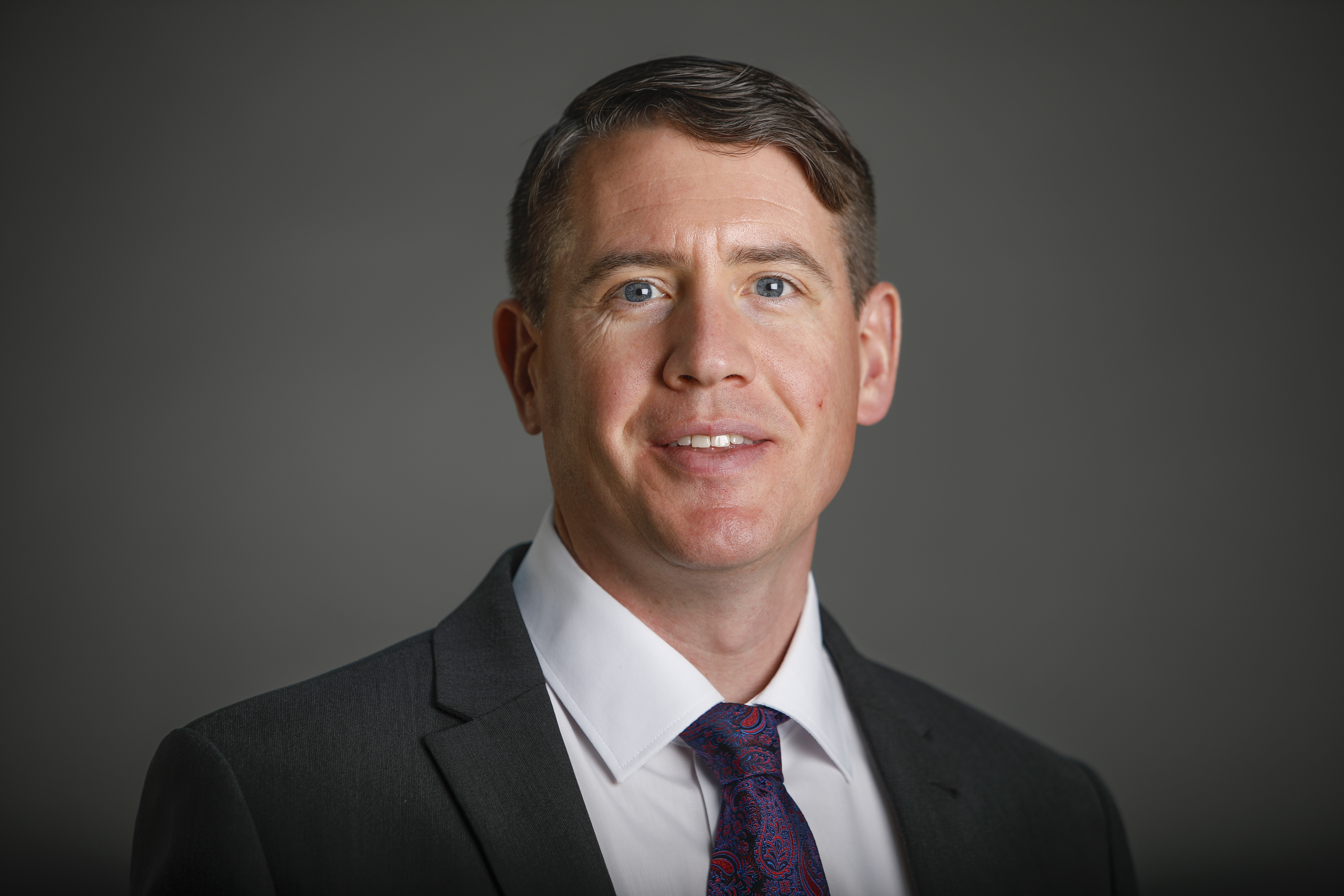 link
The cabinet secretary will be aware of the fantastic work that is done on income maximisation by advocacy and advice workers in third sector and voluntary organisations. In order to provide those vital services, those organisations rely on local government for £8.75 million-worth of funding. How does the cabinet secretary think that the £327 million-worth of cuts to local government will impact on income maximisation advice and advocacy in the third sector, given that reliance on local government funding?
Angela Constance
SNP The Cabinet Secretary for Communities, Social Security and Equalities · Almond Valley
link
The reality is that tackling inequality, poverty and the systemic disadvantage that exists structurally in our economy is at the heart and the core of this Government. I believe that local authorities have been given a fair offer. When we consider the additional resources that are put into education, health and social care, we can see that there has been additional investment in services and on the front line.
Mr Griffin makes an important point about the role of advice services in relation to income maximisation. I endorse that. Across Government, we are investing between £40 million and £50 million in advice services. There are some specific funds for advice services that are very much focused on income maximisation. Further, at the beginning of the year, the Government announced a new fund: the £29 million aspiring communities fund, which has been matched by money from the European social fund. There are many sources of funding, and it is our job to ensure that we get maximum impact in that regard. The point that Mr Griffin makes about income maximisation is well made. Income maximisation is often the key to unlocking issues around disadvantage and, indeed, discrimination.
Motions, questions and votes
Linked from this item of the Official ReportIn this meeting
Everything on 1 Feb 2017 →- Third-party Right of Appeal (Planning Applications) Questions · 6
- Local Authority Planning Rejections (Appeals) Questions · 6
- Scotland Act 2016 (Commencement Orders) Questions · 6
- Charity and Third Sector Funding Questions · 8
- Lesbian, Gay, Bisexual, Transgender and Intersex-inclusive Education Questions · 6
- Carers Allowance (Glasgow) Questions · 4
- Charities and Third Sector (Social Role) Questions · 6
- Planning System (Regeneration and Economic Growth) Questions · 4
- Funding and Support (Inequalities Projects) Questions · 5
- Food Banks Questions · 7
- Legal Aid Review Statement · 34
- Female Genital Mutilation Debate · 25
- Business Motions Business motions · 2
- Parliamentary Bureau Motion Business motions · 2
- Decision Time Decision time · 4
- State Pension Inequality Members’ business · 34
The type of each item (debate, statement, questions, members’ business and so on) and the times shown are worked out by this site from headings, the chair’s opening words and the Official Report’s running timestamps. They are not the Parliament’s own classification. Text: the Scottish Parliament Official Report.