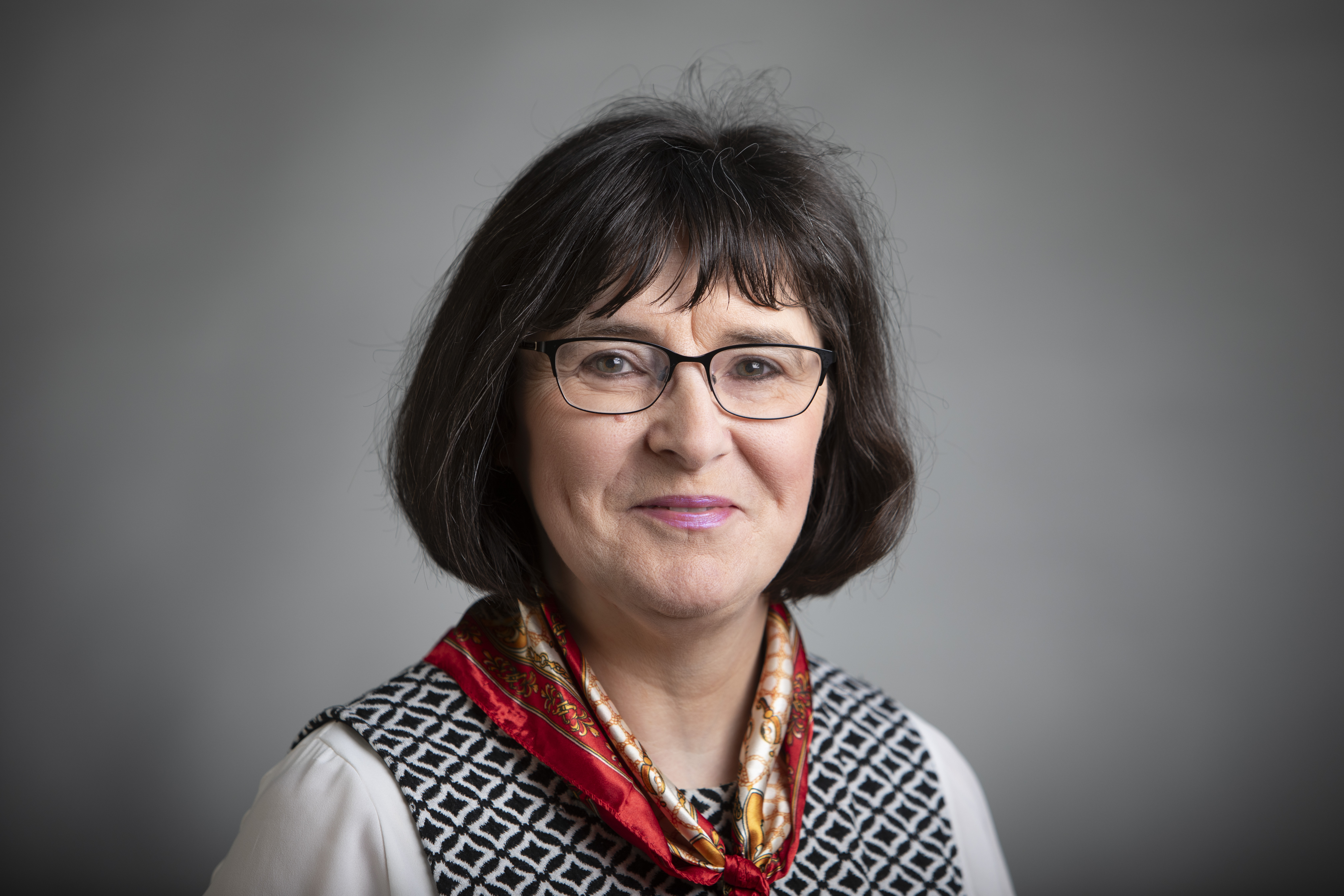
Thank you, convener. I will make a brief statement.Our comprehensive education system represents the opportunity of a lifetime for our young people, and it is my intention as education secretary that it be the basis on which every child has the opportunity to reach their potential. I stressed in Parliament last week that, for me, that means having excellence and equity as core principles in our work over the coming years.This is a very large portfolio. Its remit starts before a child is born, and it covers all early learning and development; childcare; school-age education; tertiary education and lifelong learning; Gaelic, Scots and British Sign Language; children’s services; and child protection, care and the Promise. I am, thankfully, ably supported in the portfolio by two ministers, who lead on their areas day to day, but I am very pleased to have the chance to give the committee an overview today.As the First Minister’s programme for government set out, we will lead a transformation in early learning and childcare from 1,140 hours to a year-round offer from nine months to primary 7. We will enhance early child development, and we will bolster child protection, including through a new public health approach to online harm, a national roll-out of the bairns’ hoose model and the highest scrutiny of child sexual abuse. We will undertake the work that is needed in order to keep the Promise by 2030, underpinned by early preventative whole family support.We will continue to remove barriers to an excellent education by supporting, among other things, Gaelic-medium education, further reducing the cost of the school day and developing a national staged intervention model for additional support for learning.In our classrooms, we will focus on the ABCs—that is, attainment, attendance, behaviour and curriculum. On the last of those, we will take forward the largest reform of our curriculum since curriculum for excellence was introduced, which will be developed with the profession and implemented with care. We will also end the intense rise in the presence of mobile phones in the learning environment that we have seen over the past 10 to 15 years.Our teaching workforce will be supported with additional non-contact time and a new teacher recruitment assistance fund for rural and island Scotland, among other interventions. With increased college and university funding, we will collaborate on future frameworks for sustainability and success, and we will never introduce tuition fees. We will do that while increasing apprenticeships and supporting more parents and carers to train.That only scratches the surface of activity across our portfolios, and I very much look forward to working with your committee in the coming years, as do my ministerial colleagues, who I am sure will appear before you soon to discuss their areas.Finally, if you will allow me, I note that this morning we have had the results of the programme for international student assessment—PISA—2025, and we can go on to discuss aspects of that, should you wish. However, it is worth putting on record that the headline findings are that Scotland performed significantly above the Organisation for Economic Co-operation and Development average in four of the five areas reported, namely science, reading, computational problem solving and environmental science. We are sitting at or around the OECD average in mathematics. We have therefore maintained our competitive international position at a time when reading and maths have declined right across the OECD.I welcome those findings and others that show a weakening of the relationship between socioeconomic disadvantage and academic attainment. However, I am also clear on where reform is required, and I am focusing in particular on the maths results. We will be able to discuss that in the context of the curriculum improvement cycle and, indeed, public service reform of education.
 link