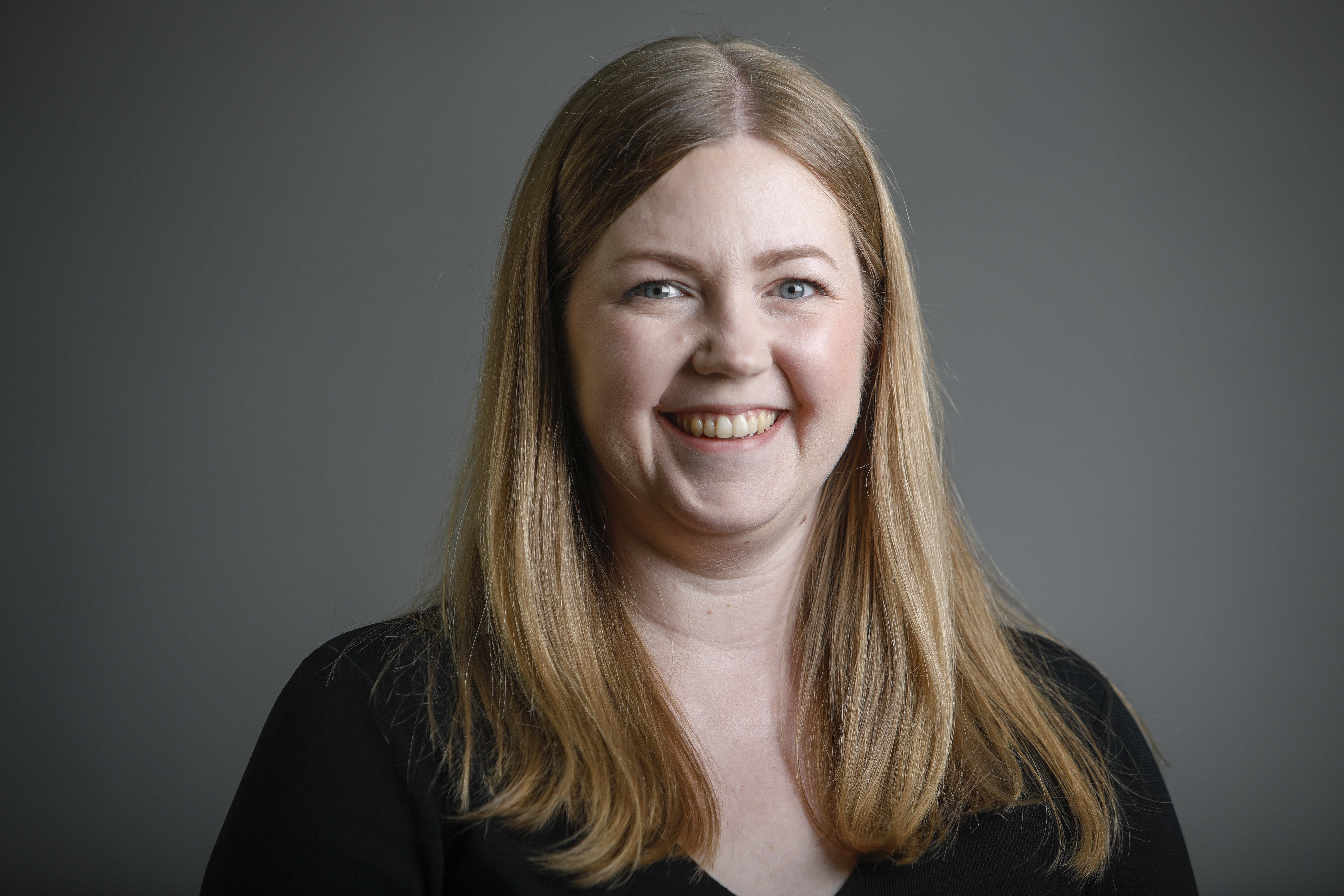
Thank you, convener. It is a pleasure to be before the Scottish Parliament committee with responsibility for culture. I am delighted to have alongside me our new director of BBC Scotland, Hayley Valentine, who took on the role in November—we are very proud to have her in the job—and BBC finance director, Rhona Burns.
We are here to review the BBC’s annual report and accounts covering April 2023 to March 2024, which we laid before the Scottish Parliament. In my opening remarks, I will set out why, in my job, I think that we are in incredibly important times for public service broadcasting. This is a really important moment. The level of jeopardy is high, and we all have some very big decisions to make in relation to the media market and where it goes.
We are also an editorial organisation. We are about content and programmes. Looking back over the past 12 months, I could not be prouder. There are numerous things that I could mention. For example, last night, I again watched the Samantha Poling interview in the “Disclosure” programme about the distressing case of Emma Caldwell’s murder. I could not be prouder of our journalism.
“Scotland: The New Wild” was three years in the making, and only the BBC would make it. I thought that it was a stunning series. There was the introduction of a new detective inspector in “Shetland”, which I hope you are all watching. Programmes of that nature are really making an impact, and I am very proud of them.
We had a busy news agenda over the annual reporting period, with the new First Minister taking up his position and the general election taking place. As part of our commitment to providing news wherever audiences want it, we launched “Reporting Scotland: News at Seven” and “Scotcast” alongside all the international news that we reported. We had the drama of Scotland at the Euros, and we had Andy Murray’s emotional last match at Wimbledon.
I was very lucky to go to Harris, on one of my better days in the job, to watch the shooting of the new Gaelic drama on BBC Alba, “An t-Eilean”—I risked giving the Gaelic pronunciation, but the translation is “The Island”. I watched the first episode last night, and you will be proud to hear that, when I looked at the most popular UK-wide titles on iPlayer this morning, that title was in the top 10. That is pretty wonderful news, and it is a landmark moment for Gaelic drama across the UK. I am really proud of that.
I am sure that we will come on to this, but there is no doubt that the BBC is operating under very tight financial constraints. We are not unique in that regard—all public bodies share some of those challenges. Our income has been reduced by 30 per cent in real terms since 2010. Like every business, we face inflationary pressures, and we also face significant difficulties in making the right choices to maintain our relevance as we move into a new world in which the media is dominated by trillion-dollar companies and big internet operations.
Public service broadcasting is under threat and under enormous pressure globally. If I want to cheer myself up, I talk to people anywhere beyond these isles about the pressures that public service broadcasting is under. We can be very proud of what we have created in Scotland and the rest of the UK.
As we all know, public service broadcasting gives us the ability to invest for the public good. That includes BBC Bitesize content that is bespoke to the Scottish curriculum; Gaelic services for speakers and new learners—that work is critically important—our weather and travel information, which is obviously important, as various climatic conditions shape our lives; our Scottish dramas; our entertainment shows; and our support for music genres. All those areas are critically important and dependent on a public service funding model and brief. That applies to Scottish sport, too. The nature of what we do is based on public service funding.
I will provide a ray of sunshine, if I may. Despite all the challenges for the BBC and public service broadcasting, Scotland remains in a strong position. Nine out of the top 10 programmes on Christmas day in Scotland were from the BBC. Last year, requests to view BBC Scotland content on iPlayer grew by 40 per cent, and we are in the game in relation to on-demand television in a way that public services globally are struggling to be. We have that scale. We treat the issue mindfully, but that is really encouraging.
Finally, we are proud of what we are doing and we think that, overall, we should be championing our precious ecosystem in Scotland, but public service broadcasting is under pressure. Last year, I gave a speech in which I was clear that we are in quite a weird time. Competition has never been greater, but, in my mind, the need for decent public service broadcasting has also never been greater.
In the speech, I defined three roles that the organisation and I think are critical. The first is pursuing truth with no agenda. We could talk at length about that—we could probably spend a whole session talking about where the media market and the news market are going. That is really important. We are not perfect, but delivering impartial news and fighting the fight for pursuing truth without an agenda have never been more important.
10:15
The second critical role is in backing home-grown storytelling. This is not a criticism, but many global businesses will make productions anywhere or look for economies of scale. Their agenda is different from that of a public service broadcaster. I repeat that that is not a criticism; they are simply different in that respect.
The final critical role is in bringing people together, whether that is for “Strictly Come Dancing” or “Doctor Who”, written by a Scottish writer and starring a Scottish lead actor. We can bring people together like nothing else. I would include sport in that.
To summarise, these are really important times for us. We are beginning a period in which the BBC will consider, along with the Government, what to do in the next charter. I am committed to delivering those roles in the future. We are committed to a strong public service in Scotland. We are very proud to be here, and we look forward to answering your questions.
 link