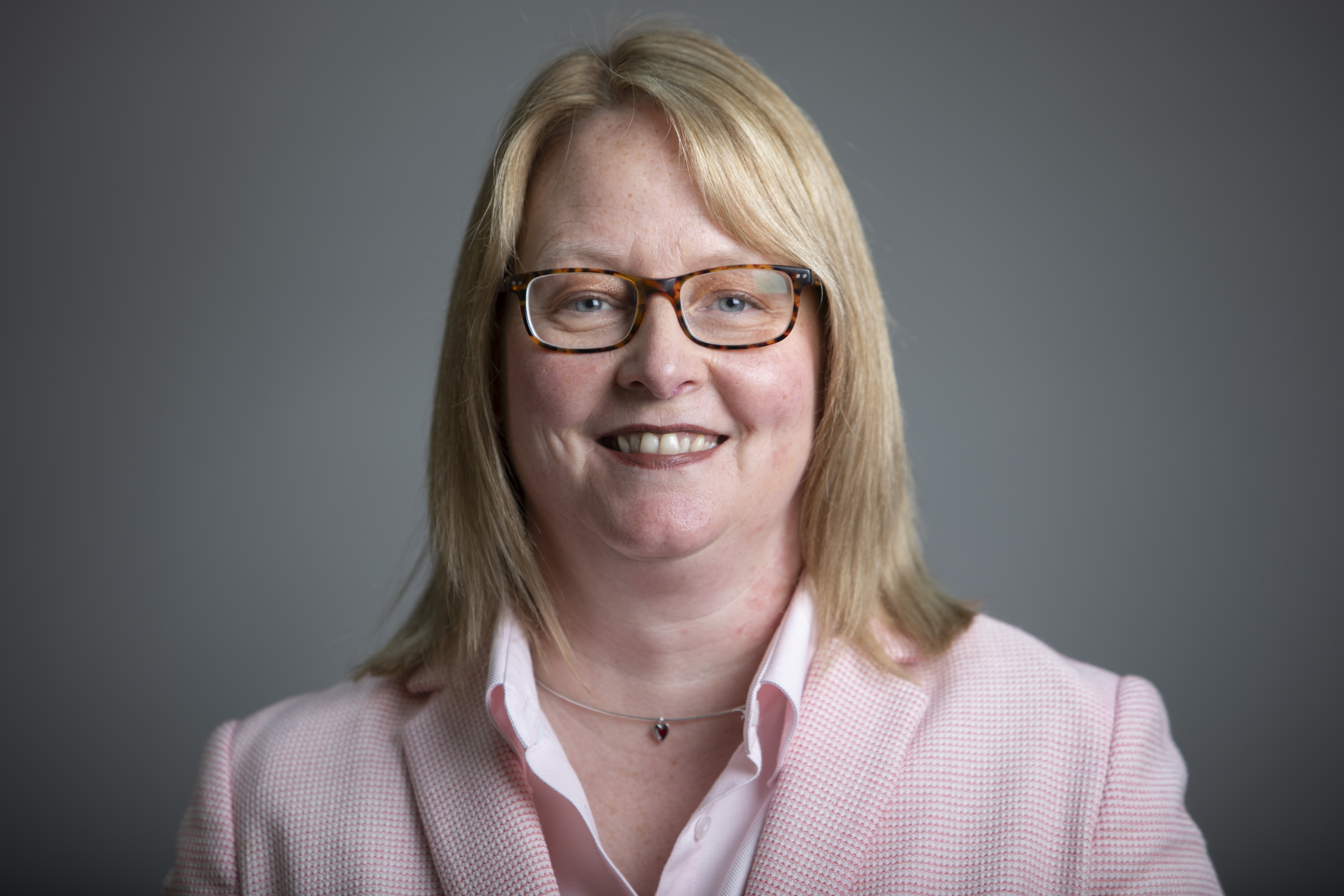
Good morning. I will give a bit of context and set out my experience of the work that I have been doing on suicide, and I will say a bit about the model of suicide that I have developed, which underpins or is a framework for the work of the strategy.
I have been working on suicide research or suicide prevention for 30 years. I currently lead the suicidal behaviour research laboratory at the University of Glasgow. Our lab does a range of different sorts of research in an effort to understand the factors that lead to suicide—the psychological, physiological or biological, cultural and social factors—and how we can intervene to reduce the risk of suicide in people who are vulnerable.
In addition to that, we do a lot of policy-related work. Wearing a different hat, I was the president of the International Association for Suicide Prevention, which is the leading global suicide prevention organisation. We work with partners around the world to tackle the fact that more than 700,000 people die by suicide each year and the fact that suicide is still criminalised in at least 20 countries in the world. We also try to promote best practice in research, policy and advocacy, which involves bringing together all partners in suicide research and suicide prevention—everybody from policy makers to researchers to clinicians to people with lived experience.
In touching on that work today, I bring those different hats to the room, so to speak. I am also a past president of the International Academy of Suicide Research.
That brings me on to the integrated motivational-volitional—IMV—model, which is mentioned in the paper and is included in the “Creating Hope Together” strategy. About 15 years ago, in 2011, I tried to bring together into a framework my understanding of the complex set of factors that lead to suicide, to help us to understand and—crucially—prevent suicide. That led me to publish, in 2011, my paper on the integrated motivational–volitional model, which I subsequently updated with my colleague Olivia Kirtley in 2018. I will say a few words about what the model means, which will, I hope, set the context for some of the discussions that we may have this morning.
It begins with the idea that there are two things, at least, that we can do to prevent suicide. First of all, we can prevent people from becoming suicidal; that is the first crucial bit. Secondly, if people become suicidal, we can intervene to make it less likely that they will act on their thoughts of suicide. My IMV model helps us to understand those two questions.
In essence, the underlying premise of the model is that, often, people become suicidal not because they want to die, but because they want unbearable pain to end. That sense of being trapped by mental pain is a key driver in understanding suicidal risk. That sense of entrapment, which we often talk about, is often driven by feelings of defeat and humiliation, which can be triggered by loss, rejection and shame. The question of why people become suicidal is therefore not necessarily about what mental illness the individual has; rather, it is about what factors lead somebody to feel so trapped that they see suicide as a solution—as the way of ending their pain. It is about the tunnel vision of seeing no alternatives.
The work that has been done in Scotland over the past number of years, including by the Scottish Government and the Convention of Scottish Local Authorities—this is the case with the new strategy, in particular—has been about understanding those drivers. We look on a societal level, a community level and an individual level at what the factors are that lead to defeat, humiliation and entrapment. They could be to do with unemployment, sexual identity, bullying, early life adversity, trauma or inequalities.
The first part is about understanding suicide risk and the sense of defeat and entrapment. The second part comes back to the question of what we can do, if we cannot stop people becoming suicidal, to—as I often describe it—interrupt the transition from suicidal thoughts to suicidal acts. The best evidence suggests that about 30 per cent of people who think about suicide cross that precipice and engage in some form of suicidal behaviour.
According to my model, a group of factors that I call “volitional phase factors” influence the likelihood that a person will cross that precipice. Those factors include things such as having ready access to the means of suicide, being exposed to suicide—in other words, being bereaved by suicide—impulsivity and past behaviours. There is a range of factors, but the key message is that the factors that lead a person to become suicidal—defeat and entrapment—are different from the factors that lead a person to cross the precipice from suicidal thoughts to suicidal acts.
In the work that we are doing in Scotland, we are trying to use the IMV model as a framework to understand and plan and—we hope—prevent suicide. Sadly, we live in a world where 700,000 people die by suicide each year. Last year, sadly, the suicide rate went up by 1 per cent. In England, it went up by 6 per cent in 2023. My concern is that, with the cost of living crisis, we are in a really risky period and that suicide rates might go up again in 2023.
 link