Parliament Workbench
Data: Official Report to 19 Nov 2026

Official Report · Chamber

First Minister

Tuesday 18 May 2021 Meeting of the Parliament First Minister’s Questions 20 contributions · 6 speakers Watch on Scottish Parliament TV

Speakers

Choose an MSP to read only their contributions

The record

20 contributions
Alison Johnstone The Presiding Officer · Lothian
link

Good afternoon. Before we begin, I remind members that social distancing measures are in place in the chamber and across the Holyrood campus. I ask that members take care to observe those measures, including when entering and leaving the chamber. I also ask members to use only the aisles and walkways to access their seats and when moving around the chamber.

The first item of business is the election of the Parliament’s nominee for First Minister. A note explaining the procedures that are to be followed this afternoon has been placed on each member’s desk. Information will also be provided in the chat function for the members who are taking part remotely.

I have received three valid nominations for selection of the Parliament’s nominee for First Minister. I will now announce the nominations in alphabetical order. They are Willie Rennie, Douglas Ross and Nicola Sturgeon. I will ask each member to speak in support of their candidacy, for up to five minutes.

After the nominees have spoken, members will be asked to cast their vote for their preferred nominee. A separate vote will be called for each nominee, and members can vote only once. Once all voting has been completed, any member who has not yet voted will be invited to cast a vote to abstain. There will be a short break for a few minutes while the result is verified, then I will announce the results of the voting.

A nominee will be elected if an overall majority is obtained. If no majority is obtained, the candidate or candidates with the smallest number of votes will be eliminated. I ask members to note that, if we have a vote between only two candidates, all that is required is a simple majority for one of the candidates to be elected. Members might wish to record an abstention; no account of those votes will be taken in establishing whether a simple majority has been achieved.

We will then proceed to a further round of voting.

14:02

Willie Rennie LD North East Fife
link

I want Scotland to be a liberal country where everyone can live as they wish, not held back by prejudice or expectations, and where every person can achieve their potential, lifted up by a healthy body and an educated mind.

I want an open and outward-looking Scotland, not one that blames its neighbours for our problems. I want a country that looks to the needs of people next door and around the world, and of people in the future, and not just to our own interests today. I want a Scotland with people who come together to overcome the enormous challenges that time throws our way. That would be my driving philosophy as First Minister.

I would start by putting recovery first. The people who are waiting up to three years for mental health treatment need recovery to come first. The friends and family of the 1,256 people who lost their lives in a single year to drugs deserve our attention. Those who are looking for work cannot wait. Those who are desperate for a hip replacement or cancer treatment cannot wait, nor can those who wait for a good education and nor can future generations who want a healthy planet. They all deserve our focus, because they cannot wait behind another debate on the constitution. That is why I would put recovery first.

When no single party has a majority, no one should assume a right to the office of First Minister. Most people did not vote for the largest party, so it is important that their voices be heard today. I stand for nomination as First Minister with great hope, but with a liberal dose of realism.

This country is divided like never before—right down the middle, according to the polls and the election. Yet the situation is worse than that: hardened supporters on both sides cannot understand each other any more. They have stopped listening to each other, and the election campaign entrenched those differences. The Scottish National Party’s materials often featured Boris Johnson more than Nicola Sturgeon. The Conservatives were more interested in attacking Labour and the Liberal Democrats than in trying to win over SNP supporters. They both stoked up people’s fear, which resulted in thousands of people voting for one extreme for fear of the other.

In that race to the bottom we lost out, but so did the country, as the chasm grew. Ever greater radicalisation of the hard-core support on each side is not sustainable, regardless of whether Scotland is part of the United Kingdom, because we will need the skills and the talents of everyone to overcome the enormous challenges that we face.

There is an important lesson for those who want to keep Scotland in the United Kingdom—especially for the Conservative Party. Many people have yet to make up their minds about independence. We must reach out to them and to others, and we must listen, understand and act. In the election campaign, I reached out across the constitutional divide. Anas Sarwar reached out, too, but the Conservatives did not. That might have held it together for the Conservatives this time, but that strategy will not keep Scotland in the United Kingdom, and looking after their Conservative friends through Government contracts, cutting international aid, taking a cavalier approach to Northern Ireland and picking fights with Europe does not help, either. Far from being the defenders of the union, the Conservatives are the biggest threat to the union.

However, Boris Johnson and the Conservatives are not the United Kingdom; it is bigger and better than that. I refuse to walk away from a partnership of the peoples of the UK because of the Conservatives. I am here to work for a liberal country—an open, internationalist, reformed, caring, fair and green country that is packed with opportunity for everyone, no matter their background. That is the country that I want to live in, and that is the country that I will always work for.

14:06

Douglas Ross Con Highlands and Islands
link

When I was a child, people used to ask me what I wanted to be when I was older, and my answer was always that I wanted to be a dairy farmer. When I left school, I went to agricultural college at Auchincruive in Ayrshire, and, when I left college, I started working as a cattleman on a dairy farm in Moray. If you had told me back then, Presiding Officer, that one day I would be standing in our debating chamber, appealing for votes to be Parliament’s nominee for First Minister, I simply would not have believed you.

Having started my speech with a bit of nostalgia, I want now to put in a bit of reality. I know that there is literally more chance of one of my cows fulfilling the nursery rhyme and jumping over the moon than there is of me winning the vote for nomination as First Minister today, but that does not mean that I cannot try. Although the ultimate decision might be a foregone conclusion, the route that is set for our nominee and our First Minister is not currently set in stone.

People across Scotland want to see us pulling together, not apart. They want a Government that is determined to drive forward a legislative programme that is inspired by the values that have, for generations, underpinned our success as a country and our progress as a society.

During the Scottish election campaign, Conservatives set out a number of bills that we would bring forward in this session of Parliament. Our first would be a bill to introduce a victims law—a detailed blueprint to overhaul Scotland’s justice system to put victims first. Never again should those who suffer at the hands of criminals feel that the accused gets more support than they do.

We propose an enterprise bill, to stimulate the economic growth that is needed to propel our country out of the Covid crisis, to protect and create jobs in every part of the country and to engage with businesses and sectors that have felt ignored for far too long. Never again should businesses in Scotland’s largest city find out at the back of 4 on a Friday afternoon, just 48 hours before they had planned for significant reopening, that they would not be moving out of the existing Covid restrictions. Under the SNP, the spirit of enterprise has been stifled. Under a Scottish Conservative Administration, it would be fostered and encouraged.

We would also introduce a right to rehab and recovery by enshrining in law the right to access residential rehabilitation services. Never again can a Scottish First Minister take their eye off the ball as drug deaths in this country soar.

Those are just some of the bills that I would take forward as First Minister, but they are also bills that we will propose as a strong Opposition and as a party that aspires to govern our country in the future.

My standing for First Minister today is a marker of our ambition not only for our party, but for Scotland, because we know that better days lie ahead. Scotland has to move on. The Parliament has to take Scotland forward. It has to take on the economic crisis and create jobs for the future, tackle the climate emergency and back our national health service with the best funding deal since devolution. It has to rise to the biggest challenges that we will face in the weeks, months and years ahead.

Members will know that I am passionate about where I come from and that I am proud of my family. I think that my wee boy, Alistair, at just over two years old, will be pretty much oblivious to the fact that his dad is today seeking to become First Minister of Scotland. However, when he is old enough, I hope that he and his wee brother or sister, who is due in just five weeks, will look back on our proceedings with pride, not because of what their dad was trying to do today but because of what we can all do over the next five years—the 129 of us who are honoured to be in such a privileged position. We have an opportunity to improve the lives of the people we represent.

Although I am pretty sure that I will not be the Parliament’s nominee for First Minister at the end of today’s business, I hope that, by the end of this session, in 2026, we can all look back on our time in office with pride that we met the challenges that we faced and that we delivered for Scotland and for future generations.

14:11

Nicola Sturgeon SNP The First Minister · Glasgow Southside
link

I genuinely thank the other two candidates in this election. Given that Douglas Ross did not express an intention to be First Minister during the election campaign, I guess that his candidacy could be seen as a heroic, if slightly belated, change of heart. Then there is Willie Rennie. I say with almost a sneaking admiration that most women, even those such as I, who have been in politics for a long time, would literally give our eye teeth for just a shred of the—how can I put it diplomatically?—self-confidence of the man who can take his party from five MSPs to just four and still throw his hat into the ring to be First Minister. Fair play to him for that self-confidence, if for nothing else.

To be serious, though, on this serious occasion, I am asking MSPs today to support my nomination as First Minister, and I bring with me a mandate from the voters in the election. The past year has been the most challenging that we have ever experienced. During the election campaign, I said that my overriding duty was to do everything possible to keep our country safe. If I am nominated today, my first and driving priority will, indeed, be to lead us through the pandemic and into recovery—the recovery of our economy, of our national health service and of our society.

Some Covid restrictions have, of course, eased now because of the incredible sacrifices of people across our country and the magnificent success of the vaccination programme. However, we know that the crisis is not over, as the current situation in Moray and in Glasgow reminds us very starkly.

As we look around the world, we also see more clearly than ever before that none of us will be entirely safe until everyone across our planet is safe. The past year has demonstrated as never before our common humanity and that the fates of us all are intertwined. We see that also in the climate emergency. That is why the 26th United Nations climate change conference of the parties—COP26—in Glasgow later this year will be a crucial event for our country and for the world. Countries across the globe will be rethinking and reimagining the societies that they want to be as they emerge from the crisis. Here, in Scotland, we must do so, too.

This is a time to think big and to be pioneers. Just as there is in many other northern European countries, I believe that there is broad agreement in Scotland about the kind of country that we want to be—a more equal society with much greater economic security; a country that is committed to building a sustainable future for the generations to come; a Scotland that is an equal partner with our friends in the rest of the United Kingdom and across Europe; and a welcoming country, not one that conducts dawn raids in multicultural communities.

Over the past year, I have sought to work across the chamber throughout the Covid crisis. If I am renominated today, I will continue to do so as we implement a programme to kick-start recovery. It will be a programme with the national health service, the economy and jobs at its heart. We will take an inclusive approach to the debate that all countries must have about how we can build the best possible post-pandemic future. In that endeavour, everyone in Scotland deserves to have an equal say. Scotland’s future must be Scotland’s choice. It is in that spirit of inclusiveness, and with a determination to work for all of Scotland each and every single day, that I am seeking the nomination of the Parliament as Scotland’s First Minister. Serving as our country’s First Minister is an immense privilege, but it is also an enormous responsibility and an enormous duty. I am ready—with the confidence of the Parliament, I hope—to get on with the job of leading this country to brighter and better times.

Alison Johnstone The Presiding Officer · Lothian
link

Before we move to the vote, there will be a short suspension to allow members to access the digital voting system.

14:16 Meeting suspended.

14:24 On resuming—

Alison Johnstone The Presiding Officer · Lothian
link

I remind members that they must vote once only and must use only their yes button in the voting app when voting. If any member casts a vote more than once or records a vote other than a yes vote, their vote will be treated as spoiled. Once the voting for candidates is completed, members who have not voted for a candidate will be given the opportunity to vote to abstain, by pressing their yes button. I will announce the result once all votes have been cast and verified.

The first vote is for Willie Rennie. Only members who wish to vote for Willie Rennie should take part in this vote, by voting yes. No other members should vote. Members who wish to vote for Willie Rennie should vote yes now. This will be a two-minute division.

Members voted.

Alison Johnstone The Presiding Officer · Lothian
link

The voting time has ended. Any member who believes that they have been unable to cast their vote should advise that they would like to make a point of order.

The second vote is for Douglas Ross. Only members who wish to vote for Douglas Ross should take part in this vote, by voting yes. No other members should vote and members who wish to vote for Douglas Ross should vote yes now. You have two minutes to vote.

Members voted.

Alison Johnstone The Presiding Officer · Lothian
link

The voting time has ended. Any member who believes that they were unable to cast their vote should advise that they wish to make a point of order.

The third vote is for Nicola Sturgeon. Only members who wish to vote for Nicola Sturgeon should take part in this vote, by voting yes. No other members should vote and members who wish to vote for Nicola Sturgeon should vote yes now. This will be a two-minute vote.

Members voted.

Alison Johnstone The Presiding Officer · Lothian
link

The voting time has ended. Again, any member who believes that they were unable to cast their vote should advise that they wish to make a point of order.

That concludes the votes for all candidates. The next vote is only for members who have not yet voted and who wish to record an abstention. Members wishing to abstain should press their yes button now. This will be a two-minute vote.

Alison Johnstone The Presiding Officer · Lothian
link

The voting time has ended. Any member who believes that they were unable to cast their vote should advise that they wish to make a point of order.

That concludes this round of voting. There will now be a short suspension while the votes are verified.

14:37 Meeting suspended.

14:45 On resuming—

Alison Johnstone The Presiding Officer · Lothian
link

In the vote to select the Parliament’s nominee for First Minister, the number of votes cast for each candidate was: Willie Rennie 4, Douglas Ross 31, Nicola Sturgeon 64, Abstentions 28.

Votes for Willie Rennie

Cole-Hamilton, Alex (Edinburgh Western) (LD)
McArthur, Liam (Orkney Islands) (LD)
Rennie, Willie (North East Fife) (LD)
Wishart, Beatrice (Shetland Islands) (LD)

Votes for Douglas Ross

Balfour, Jeremy (Lothian) (Con)
Briggs, Miles (Lothian) (Con)
Burnett, Alexander (Aberdeenshire West) (Con)
Cameron, Donald (Highlands and Islands) (Con)
Carlaw, Jackson (Eastwood) (Con)
Carson, Finlay (Galloway and West Dumfries) (Con)
Dowey, Sharon (South Scotland) (Con)
Findlay, Russell (West Scotland) (Con)
Fraser, Murdo (Mid Scotland and Fife) (Con)
Gallacher, Meghan (Central Scotland) (Con)
Golden, Maurice (North East Scotland) (Con)
Gosal, Pam (West Scotland) (Con)
Greene, Jamie (West Scotland) (Con)
Gulhane, Sandesh (Glasgow) (Con)
Hamilton, Rachael (Ettrick, Roxburgh and Berwickshire) (Con)
Hoy, Craig (South Scotland) (Con)
Halcro Johnston, Jamie (Highlands and Islands) (Con)
Kerr, Liam (North East Scotland) (Con)
Kerr, Stephen (Central Scotland) (Con)
Lockhart, Dean (Mid Scotland and Fife) (Con)
Lumsden, Douglas (North East Scotland) (Con)
Mountain, Edward (Highlands and Islands) (Con)
Mundell, Oliver (Dumfriesshire) (Con)
Ross, Douglas (Highlands and Islands) (Con)
Simpson, Graham (Central Scotland) (Con)
Smith, Liz (Mid Scotland and Fife) (Con)
Stewart, Alexander (Mid Scotland and Fife) (Con)
Webber, Sue (Lothian) (Con)
Wells, Annie (Glasgow) (Con)
White, Tess (North East Scotland) (Con)
Whittle, Brian (South Scotland) (Con)

Votes for Nicola Sturgeon

Adam, George (Paisley) (SNP)
Adam, Karen (Banffshire and Buchan Coast) (SNP)
Adamson, Clare (Motherwell and Wishaw) (SNP)
Allan, Dr Alasdair (Na h-Eileanan an Iar) (SNP)
Arthur, Tom (Renfrewshire South) (SNP)
Beattie, Colin (Midlothian North and Musselburgh) (SNP)
Brown, Keith (Clackmannanshire and Dunblane) (SNP)
Brown, Siobhian (Ayr) (SNP)
Callaghan, Stephanie (Uddingston and Bellshill) (SNP)
Coffey, Willie (Kilmarnock and Irvine Valley) (SNP)
Constance, Angela (Almond Valley) (SNP)
Denham, Ash (Edinburgh Eastern) (SNP)
Dey, Graeme (Angus South) (SNP)
Don, Natalie (Renfrewshire North and West) (SNP)
Doris, Bob (Glasgow Maryhill and Springburn) (SNP)
Dornan, James (Glasgow Cathcart) (SNP)
Dunbar, Jackie (Aberdeen Donside) (SNP)
Ewing, Annabelle (Cowdenbeath) (SNP)
Ewing, Fergus (Inverness and Nairn) (SNP)
Fairlie, Jim (Perthshire South and Kinross-shire) (SNP)
FitzPatrick, Joe (Dundee City West) (SNP)
Forbes, Kate (Skye, Lochaber and Badenoch) (SNP)
Gibson, Kenneth (Cunninghame North) (SNP)
Gilruth, Jenny (Mid Fife and Glenrothes) (SNP)
Gougeon, Mairi (Angus North and Mearns) (SNP)
Grahame, Christine (Midlothian South, Tweeddale and Lauderdale) (SNP)
Gray, Neil (Airdrie and Shotts) (SNP)
Harper, Emma (South Scotland) (SNP)
Haughey, Clare (Rutherglen) (SNP)
Hepburn, Jamie (Cumbernauld and Kilsyth) (SNP)
Hyslop, Fiona (Linlithgow) (SNP)
Kidd, Bill (Glasgow Anniesland) (SNP)
Lochhead, Richard (Moray) (SNP)
MacDonald, Gordon (Edinburgh Pentlands) (SNP)
MacGregor, Fulton (Coatbridge and Chryston) (SNP)
Mackay, Rona (Strathkelvin and Bearsden) (SNP)
Macpherson, Ben (Edinburgh Northern and Leith) (SNP)
Maguire, Ruth (Cunninghame South) (SNP)
Martin, Gillian (Aberdeenshire East) (SNP)
Mason, John (Glasgow Shettleston) (SNP)
Matheson, Michael (Falkirk West) (SNP)
McAllan, Màiri (Clydesdale) (SNP)
McKee, Ivan (Glasgow Provan) (SNP)
McKelvie, Christina (Hamilton, Larkhall and Stonehouse) (SNP)
McLennan, Paul (East Lothian) (SNP)
McMillan, Stuart (Greenock and Inverclyde) (SNP)
McNair, Marie (Clydebank and Milngavie) (SNP)
Minto, Jenni (Argyll and Bute) (SNP)
Nicoll, Audrey (Aberdeen South and North Kincardine) (SNP)
Robertson, Angus (Edinburgh Central) (SNP)
Robison, Shona (Dundee City East) (SNP)
Roddick, Emma (Highlands and Islands) (SNP)
Somerville, Shirley-Anne (Dunfermline) (SNP)
Stevenson, Collette (East Kilbride) (SNP)
Stewart, Kaukab (Glasgow Kelvin) (SNP)
Stewart, Kevin (Aberdeen Central) (SNP)
Sturgeon, Nicola (Glasgow Southside) (SNP)
Swinney, John (Perthshire North) (SNP)
Thomson, Michelle (Falkirk East) (SNP)
Todd, Maree (Caithness, Sutherland and Ross) (SNP)
Torrance, David (Kirkcaldy) (SNP)
Tweed, Evelyn (Stirling) (SNP)
Whitham, Elena (Carrick, Cumnock and Doon Valley) (SNP)
Yousaf, Humza (Glasgow Pollok) (SNP)

Abstentions

Baillie, Jackie (Dumbarton) (Lab)
Baker, Claire (Mid Scotland and Fife) (Lab)
Bibby, Neil (West Scotland) (Lab)
Boyack, Sarah (Lothian) (Lab)
Burgess, Ariane (Highlands and Islands) (Green)
Chapman, Maggie (North East Scotland) (Green)
Choudhury, Foysol (Lothian) (Lab)
Clark, Katy (West Scotland) (Lab)
Duncan-Glancy, Pam (Glasgow) (Lab)
Grant, Rhoda (Highlands and Islands) (Lab)
Greer, Ross (West Scotland) (Green)
Griffin, Mark (Central Scotland) (Lab)
Harvie, Patrick (Glasgow) (Green)
Johnson, Daniel (Edinburgh Southern) (Lab)
Leonard, Richard (Central Scotland) (Lab)
Mackay, Gillian (Central Scotland) (Green)
Marra, Michael (North East Scotland) (Lab)
McNeill, Pauline (Glasgow) (Lab)
Mochan, Carol (South Scotland) (Lab)
O’Kane, Paul (West Scotland) (Lab)
Rowley, Alex (Mid Scotland and Fife) (Lab)
Ruskell, Mark (Mid Scotland and Fife) (Green)
Sarwar, Anas (Glasgow) (Lab)
Slater, Lorna (Lothian) (Green)
Smyth, Colin (South Scotland) (Lab)
Sweeney, Paul (Glasgow) (Lab)
Villalba, Mercedes (North East Scotland) (Lab)
Whitfield, Martin (South Scotland) (Lab)

Alison Johnstone The Presiding Officer · Lothian
link

Nicola Sturgeon is therefore selected as the nominee, and I congratulate the First Minister on her selection. [Applause.] I now call every party leader to respond.

14:46

Douglas Ross Con Highlands and Islands
link

When the vote verification took so long, I began to wonder whether the Liberal Democrats were calling for a recount to save their deposit. The process took a bit longer than some of us expected, but the result is clear.

Despite our fundamental differences on many issues, I congratulate the First Minister on her re-election. There are few greater honours than serving the public in her position, and I know that she takes the role seriously. My party will challenge her actions as First Minister and those of her Government, but I will not question her sincere commitment to the job that she has done for the past seven years and to which she is committed for the next five years.

For the previous seven years, the First Minister led a Government that has now been in office for 14 years, and she has been given the opportunity to serve for a further five. Regardless of party-political affiliation, that is a significant achievement.

The length of its period in office is an achievement, but the First Minister’s party must be held to account for its record, as I believe Nicola Sturgeon would agree. We cannot ignore what has happened in the past 14 years of the SNP Government. Our education system is falling down international league tables. The numbers of drug deaths have more than doubled since 2014 to record highs. Our economy stagnated behind the rest of the UK for a decade. New ferries have been delayed or are over budget. Violent crime figures are rising. Teacher numbers have been slashed. The patient treatment time guarantee has been broken 330,000 times. The list could go on.

We must take Scotland forward. We cannot spend the next five years mired in the same stale debates and disagreements as consumed and held back the Parliament in the previous session. This time, we need a Parliament of action; a Parliament of delivery; and a Parliament of purpose—a Parliament that unites this country and leads it in a national mission to get us all through this. If the SNP Government applies itself 100 per cent to that task, it will find support from Conservative members. However, if it deviates from that task and puts political priorities ahead of Scotland’s interests, and if it wastes time in the chamber on old arguments instead of constructive delivery, we will fight it every step of the way.

The Scottish people have elected this Scottish Parliament—every single member—on a promise of delivering Scotland’s recovery; of steering our country through the rest of the coronavirus pandemic and supporting individuals, families and communities the length and breadth of Scotland; and of rebuilding our country so that Scotland’s economy is stronger and its public services are better than ever before. That was the promise that we all made to the people of Scotland in the election campaign, and that is the task that we now face. Let us get on with it. [Applause.]

Alison Johnstone The Presiding Officer · Lothian
link

I call Anas Sarwar, who joins us remotely.

14:49

Anas Sarwar Lab Glasgow
link

I congratulate the First Minister on her re-election, and I am sorry that I cannot be in the chamber with members to mark this occasion in person. I, and the whole of my party, wish the First Minister well in the months and years ahead. I offer Willie Rennie and Douglas Ross my commiserations.

Since I was elected Labour leader, 11 weeks ago, I have been honest about my ambition for my party and my ambition for Scotland. I am not interested in simply opposing; I want to build the credible alternative. That is a journey, and I appeal directly to people who are watching: if they want to be part of that, they should join us.

This parliamentary session—the sixth since Donald Dewar was elected as our first First Minister—will be the most defining period for our nation since devolution. Meanwhile, we are still in the grip of a public health emergency. Covid continues to spread through our communities, and the danger has not passed—with the pandemic causing illness in my home right now, I know that all too well.

Even if the immediate risk to lives passes in the coming months, as we all hope that it will do, we face the huge task of Scotland’s national recovery. It is a challenge that will take many years.

That challenge brought a rare note of unity to the recent election campaign. The message that we have been sent by the people of Scotland could not have been clearer. We all pledged to focus on the recovery, and we must all honour that.

That is the mandate that we have collectively been given: to come through this most difficult year and build a better, stronger, greener and fairer nation. None of us should underestimate the scale of ambition that that will require. We have a balanced Parliament with no majority for one single party, which means that parties must work together.

We must do that, because lives and livelihoods remain at risk. More than 300,000 Scots do not know whether they will have a job to go back to. We have suffered an economic crash that is harder and deeper than the banking crisis. Pupils have missed out on almost a year of school. Our NHS and social care systems—battered but not broken—need support, reform and investment. In just months, the eyes of the world will be on Glasgow as we host COP26.

If she is to meet those challenges—and many more—the First Minister must be bold. There will undoubtedly be issues on which she and I disagree—the constitution is one of them. There will be areas on which we believe that the First Minister has failed, and we will not be afraid to say so. There will also be areas on which I and the First Minister agree, and I will not allow our disagreements to stand in the way of that.

There will also be areas on which we think that the First Minister should be doing better and going further, and we will push her and her Government to be bolder in the coming weeks, months and years. Let me give some examples. The Government must go further and be bolder on a jobs plan, on economic support for businesses, on mental health support, on catch-up and cancer services, and on child poverty. We should double the Scottish child payment immediately rather than over the course of this parliamentary session.

Right now, we need a First Minister for everyone in Scotland. What we need is not a campaigner who will lead a movement for half the country but a First Minister who will lead a national recovery for everyone. In the final television debate, the First Minister made that promise. We will hold her to it. The national recovery cannot be just a slogan; it must be our Parliament’s collective national mission on behalf of the people we are elected to represent.

Over the coming years, let us be inspired by the future that we can build, not the arguments of the past. Let us demonstrate the best of Scotland and focus on what unites us, not what divides us. [Applause.]

Alison Johnstone The Presiding Officer · Lothian
link

I call Lorna Slater. This will be Ms Slater’s first speech in the chamber.

14:53

Lorna Slater Green Lothian
link

I offer my congratulations and those of the Scottish Green Party to Nicola Sturgeon on her re-election as First Minister. It is a remarkable achievement to be returned for a fourth term, 14 years after the Scottish National Party entered government and more than six years after Nicola Sturgeon herself became First Minister. To be returned with the second-highest tally of seats at any election since devolution demonstrates that, whatever differences we have, the First Minister personally retains the confidence of the bulk of the country.

I look across this debating chamber and what I see is hope. I see Scotland’s most diverse Parliament coming together in this room at this most critical of times. I see more young people, more women, more disabled people and more people with diverse backgrounds and experiences. I am particularly moved that, in this session of the Parliament, we have crossed what I consider to be a key threshold for culture change in an institution, in that, now, more than 40 per cent—it is 45 per cent, actually—of our MSPs are women. I congratulate all the parties that have worked hard to improve their gender balance in order to bring in that fresh talent and those new perspectives.

That is important because, when we change who makes decisions, we change outcomes. Will we, as a more diverse group, have a more positive working culture? Will there be more cross-party working on matters such as a national care service, housing, education and tackling the climate and nature emergencies? Will we be able to think long term—to think about the wellbeing of our people and the stewardship of our land and resources, rather than allowing exploitation and extraction?

I have hope, because these are challenging times. The climate emergency requires this Government and this Parliament to take bold, transformative action. The pandemic requires a commitment to investment and rebuilding. The fact that the majority of MSPs who were returned to this Parliament are pro-independence means that we need to have a national conversation about the constitution and what kind of country we want to be. Do we want to be welcoming to refugees? Do we want to be a world leader in renewable energy and have town and city centres that are designed for people rather than cars? Do we want blood sports on our hills, or sustainable agriculture and forestry?

I have hope because, in this election, the people of Scotland voted like their future depended on it. They voted in record numbers for the Scottish Greens and returned the largest-ever number of Green MSPs. The people have asked for practical, life-changing policies: new jobs in renewable energy, warm homes, upgraded railways and stronger links to Europe.

We can take many of those steps now without waiting for independence, but completing the necessary transformation must also involve asking the people of Scotland to choose their future. We must make the case for independence that is based on transformation and on building the Scotland that we want to see: a fair and green Scotland that is in charge of its own destiny. We can invest in jobs and the economic recovery, reduce carbon emissions and improve the quality of life for everyone in Scotland; we—the people in this room—just have to choose to do so.

I hope that the First Minister and everyone in this room will consider the nature of the multiple crises that we face and will commit to working in a spirit of co-operation and constructively, across party lines, to make the kind of transformative changes that are needed to protect our environment and ensure an economy that works for everyone. [Applause.]

14:57

Willie Rennie LD North East Fife
link

I congratulate Nicola Sturgeon on her success. I am sure that there will be many sharp exchanges in the chamber over the next five years, but I will offer a few words of respect.

It has been an extraordinary time with extraordinary pressures, both Covid and political. I have admired Nicola Sturgeon’s personal leadership through the pandemic; she has made life-and-death decisions every day. I was impressed by the clarity of the communications and I agreed with the caution, too.

The fact that we have political differences in the chamber should not prevent us from respecting each other, and we should appreciate the personal sacrifice that comes with public service and office. Of course, that personal sacrifice pales in comparison with the many struggles that our constituents face every day, but it is sacrifice nonetheless, so I thank Nicola Sturgeon for that service and offer my support as well.

We have worked together through the pandemic to get through that deadly challenge. The Parliament needs more of that focus and partnership for the next five years. Therefore, as she starts to shape the nominations for her cabinet, I appeal to the First Minister not to appoint a minister for the constitution. I want her to reflect that the election was about putting recovery first, so there should be no place in the new Government for a minister for the referendum. We cannot afford talented civil servants focusing on a new independence white paper when we need the best to focus on the recovery.

Instead, I hope that the First Minister will appoint a minister for recovery. It would be a senior appointment to focus the Government’s energy. The recovery-first cabinet secretary would use civil service expertise to plan a recovery that balances the needs of the health service, education, business and many other areas of our lives. That appointment would be a powerful signal of the priorities for this session of the Parliament. I hope that the First Minister will take that point on.

In conclusion, I wish the First Minister well in her term of office and commit to working together to improve the lives of the people we all represent.

15:00

Nicola Sturgeon SNP The First Minister · Glasgow Southside
link

Presiding Officer, I thank you for your kind words and the other party leaders for theirs. All words of advice are genuinely received in a spirit of good faith.

Most of all, I thank my fellow members of the Scottish Parliament for selecting me as the Parliament’s nominee to be the First Minister of Scotland. There is simply no greater privilege than to be elected as the First Minister of our country. I pledge that I will fulfil the duties placed on me to the very best of my ability. I will do all that I can with all the powers that are vested in the office of First Minister to make our country the best possible place in which to live, work and grow up.

Today is the third occasion on which I have been nominated by the Parliament to be the First Minister. On the previous two occasions, my family was present in the public gallery. Circumstances mean that that is not possible today, although, even if it had been, the loss of my father-in-law 18 months ago would have made it feel very different. I miss my family today, and that is a feeling that so many of us have had to bear during the past year. I know, however, that they are watching, so I hope that I can be indulged just for a moment as I speak to them.

Being a close family member of the First Minister is a role that, unlike me, you have no choice about, but your love and support sustains me—and never more so than through the various stresses and strains of the past year. I cannot ever thank you enough, although I could probably try harder and more often, but please know how much I do love all of you.

I spoke earlier about the privilege of being First Minister, and it is, indeed, a privilege. However, in truth, it is the heavy sense of responsibility and duty much more than the privilege that any incumbent of the office will feel most acutely every single day. For me, as First Minister for more than six years, that has never been more true than it has been during the past 14 months or so. Our country is living through the most challenging and traumatic period that most of us have ever known. Lives have been lost, families have been bereaved and separated, businesses and jobs have been lost, and many who have had Covid are still suffering from long-term health problems. I have done my best to steer us through, and I have learned the hard way that, in such a situation, there are very few good outcomes, just more or less harmful ones. Decisions that are necessary to save lives and protect health—our most important duty—will cost jobs and businesses and affect our wellbeing in so many other ways and, indeed, vice versa. I will continue to work every single day to make the best decisions possible, and I resolve never to shy away from the tough calls.

As a result of our collective sacrifice and the power of vaccination, we have made progress, but in the past few days we have also been reminded that Covid is not done with us yet. The virus still poses a real danger that we must take seriously. Tough decisions still lie ahead. That is why I want to reiterate the pledge that I made during the election campaign. For as long as is necessary, every ounce of my energy and focus will be on navigating us through the pandemic and keeping our country as safe as possible.

Of course, part of that responsibility involves laying the foundations now for the recovery that we all want to build. During the campaign, the Scottish National Party published a plan for the first 100 days of a new Government. That plan is now Scottish Government policy and the cabinet secretaries and ministers who will be appointed during the next couple of days will be charged with delivering it at pace. Among many other initiatives, it will prioritise: completing the vaccination programme as quickly as possible; implementing a pay rise for NHS workers; publishing an NHS recovery plan; opening the first three fast-track cancer diagnostic centres; removing dental charges for care leavers as the first step towards ending all dental charges; consulting on legislation to establish a new national care service; establishing a new council for economic transformation; funding colleges to deliver 5,000 more industry-focused courses; funding 1,000 extra teachers as the first phase of additional recruitment; abolishing fees for music and arts education; starting the roll-out of laptops and tablets for all school pupils; making payments to low-income families as we prepare for the doubling of the Scottish child payment; starting work on a minimum income guarantee; and taking the next steps on our journey to net zero as we prepare to welcome the world to COP26 later this year.

There is much to be getting on with, and this will be a Government of action. Many of the policy initiatives that I have mentioned will, I hope, attract cross-party agreement. I will return to that point shortly, but first I will briefly address the issue of an independence referendum, which I know that we do not all agree on. By any measure of parliamentary democracy, there is a clear mandate for a referendum within this session of Parliament. It is important, in the interests of democracy, that that is acknowledged and respected. However, it is also important that I exercise that mandate with responsibility and humility, and only when the crisis of Covid has passed. I give that commitment today.

I believe that being independent will give Scotland, now and in the future, the best chance of making the most of our vast talents and resources. There are so many ways in which that matters—and we were reminded of just one of them last week. Our economic prospects depend on us attracting more people to live and work in Scotland. Yet, on Thursday, in Kenmure Street in my constituency, immigration officials tried to forcibly remove two individuals against the wishes of their community. With independence, the decisions that shape our future will lie with us.

I have always believed that how we achieve independence is as important as the outcome itself. It will determine the strength of the foundation on which we build. I am acutely aware that opinion on whether Scotland should be independent is evenly balanced. My decisions, as a First Minister for all of Scotland, will always be mindful of that—but that should apply to all of us. The views of those who do not support independence must not be ignored; you must not feel as if you are being bludgeoned towards an outcome that you have not been persuaded of. However, by the same token, the views of those who support independence cannot be ignored either. We cannot simply be told that there is no democratic route to seeking the future that we want for our country.

That takes us to a fundamental point. Unity of purpose for any country is an important condition of success, but unity is not achieved by pretending that genuine differences of opinion do not exist or that one side of a debate has no right to be heard. Unity is best achieved through open, informed and respectful discussion and, crucially, by agreeing that, ultimately, the only legitimate way to resolve difference is through democratic means. Passions will always run high on the issue of independence, and for good reason. However, if on both sides of this great national debate we can strive for mutual understanding and empathy, and if we show a willingness sometimes to listen more than to talk and to respect the power of democracy, I believe that we can and will find the right path and that we will do so together and at the right time. I know that I will not always succeed, but I promise that I will do my best to lead in that spirit.

Building unity is partly about how we resolve issues of difference, but it is also about reaching beyond difference. There is so much that this Parliament can and should work together on. During the campaign, I was struck by the extent of the common ground between our different manifestos—even the Institute for Fiscal Studies struggled to distinguish between us in its scepticism about the financing of it all. Perhaps we should therefore work together now to prove it wrong. Seriously, however, I have been heartened by my discussions across party lines since the election, and I hope that they will develop positively.

Whatever else happens over the next five years, let us come together to build a legacy out of this pandemic for the generations that come after us, including opportunities for every young person, a national care service to match the vision and ambition of our national health service, policies that will lift children and families out of poverty and give everyone the basic security that they need to fulfil their potential, and action that will not only end our contribution to climate change but harness the massive economic opportunities of doing so and give us the moral authority to exhort the rest of the world to do likewise.

The sixth session of our Parliament is convening in the toughest of times, but we have reasons to be optimistic. We have been elected on a bigger voter turnout and by a wider franchise than ever before. We look more like the Scotland that we represent than our predecessors did. We—well, maybe not all of us—are younger, and we are more diverse. We have more women, more members of minority ethnic communities, the first women of colour and the first permanent wheelchair user. Let us take heart from all of that and resolve not only individually but collectively to live up to the expectations that Scotland has vested in us.

Out of these tough times, there is a duty to be bold and fearless. When I accepted the Parliament’s nomination as First Minister in 2016, I quoted our first makar, Edwin Morgan, whose words remind us of our mandate to be bold. Today, I will end with the words of someone else from whom I take inspiration, the late Eleanor Roosevelt:

“You gain strength, courage and confidence by every experience in which you really stop to look fear in the face ... You must do the thing you think you cannot do.”

I hope that that advice will guide this Parliament—it is certainly how I will seek to govern.

I thank the Parliament again for its confidence, and I pledge to serve all of Scotland with boldness, energy and dedication, and to do so in a spirit of integrity, friendship and common purpose. [Applause.]

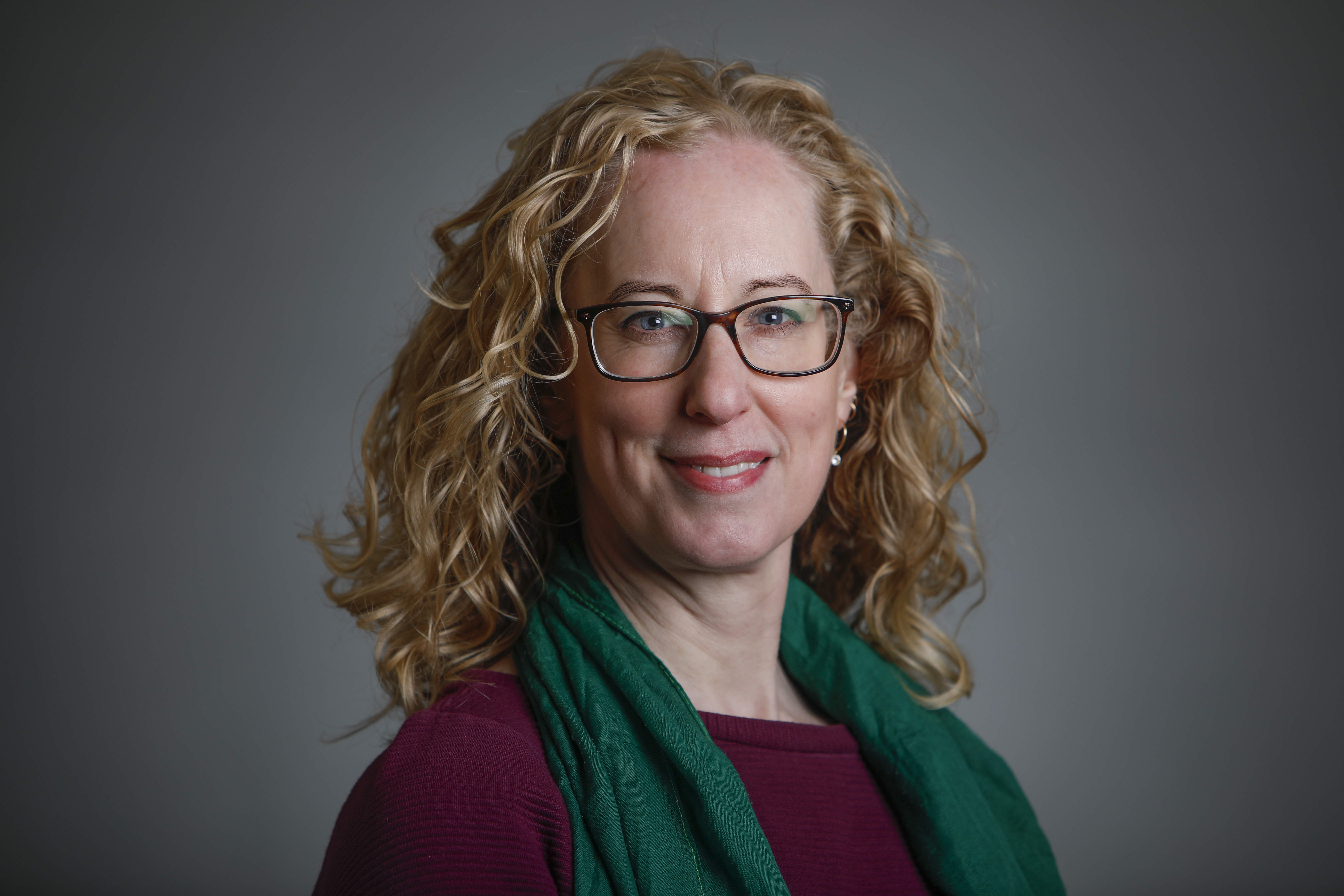
Alison Johnstone The Presiding Officer · Lothian
link

Thank you. That concludes the selection of the First Minister. I remind members that social distancing measures are in place in the chamber and across the Holyrood campus. I ask that members take care to observe those measures, including when entering and exiting the chamber.

  1. First Minister First Minister’s Questions · 20
  2. Urgent Questions First Minister’s Questions · 1
  3. Police Scotland and Rangers Football Club (Engagement) First Minister’s Questions · 14
  4. Covid-19 (Glasgow) First Minister’s Questions · 15
  5. Greensill Capital First Minister’s Questions · 10
  6. Business Motion Business motions · 1

The type of each item (debate, statement, questions, members’ business and so on) and the times shown are worked out by this site from headings, the chair’s opening words and the Official Report’s running timestamps. They are not the Parliament’s own classification. Text: the Scottish Parliament Official Report.